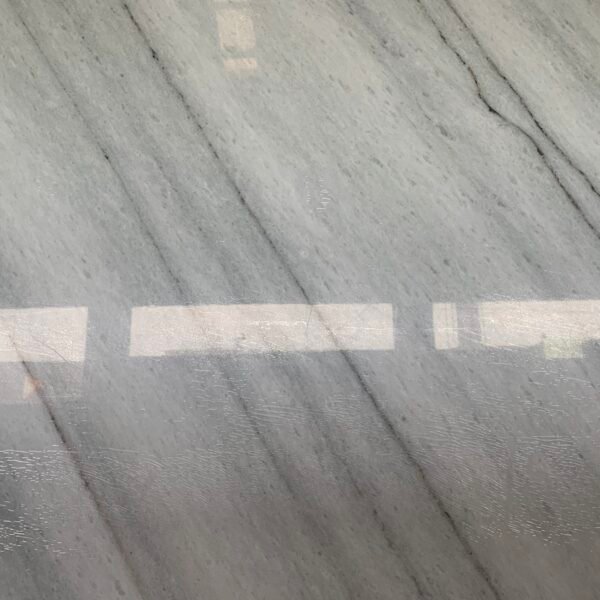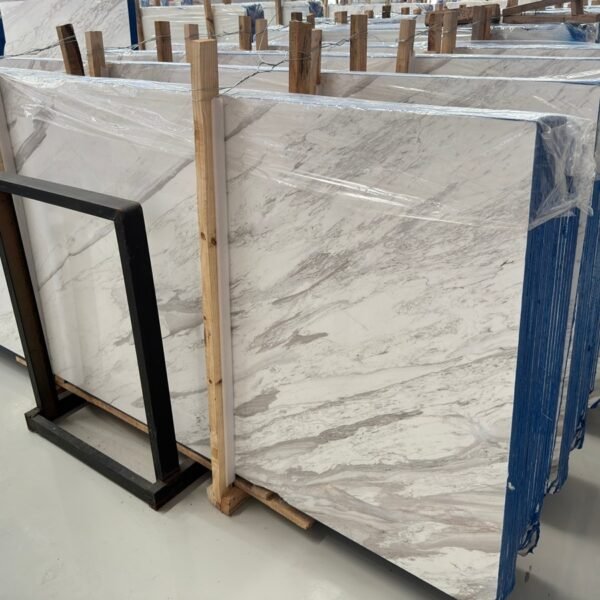
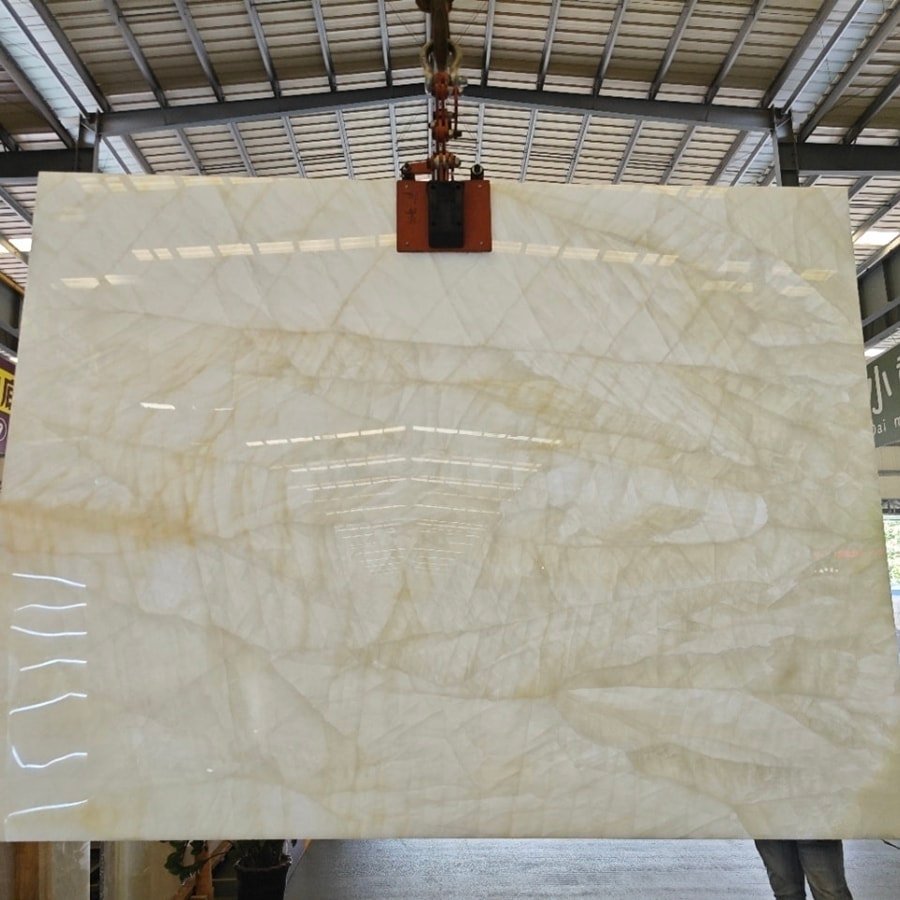
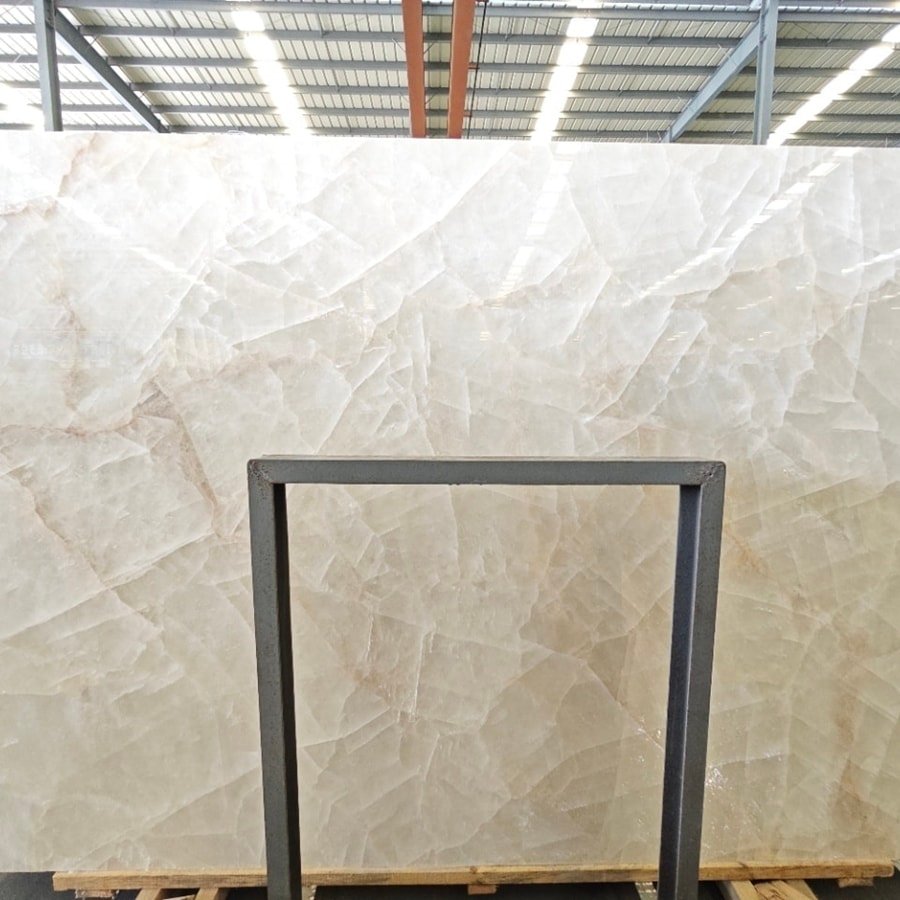
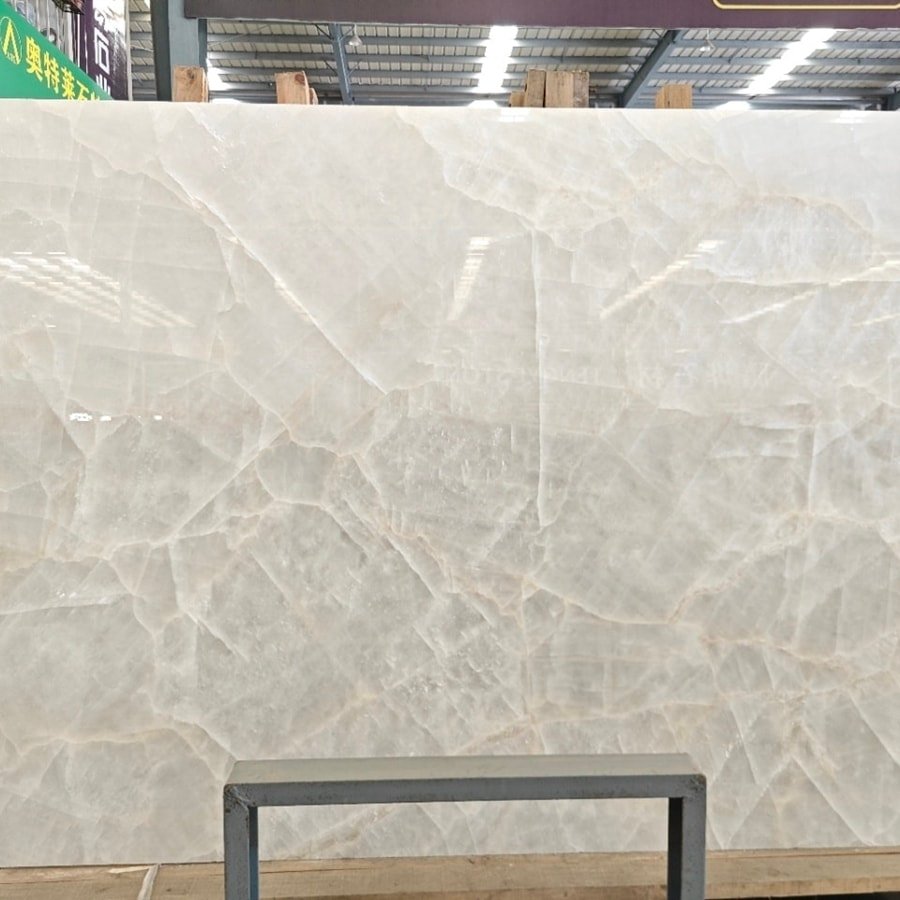
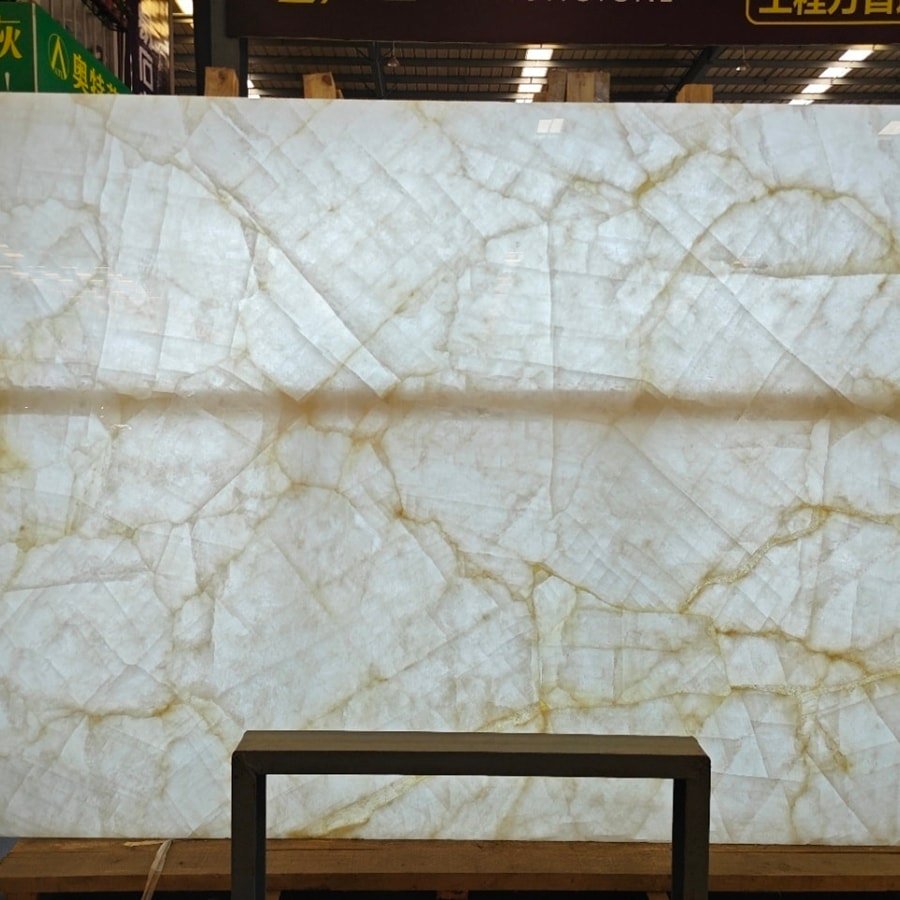
Crystal Jade Marble is a natural stone that often exhibits pale green, grey, or white ground tones with subtle vein patterns and occasional crystalline pockets. The “jade” reference signals soft green undertones or a translucent quality in thinner sections. These visual traits create a cool, serene character well-suited to calming interiors, spa-like bathrooms, and boutique commercial settings. The stone’s technical properties—workability, porosity, and hardness—determine practical uses and necessary precautions for longevity.
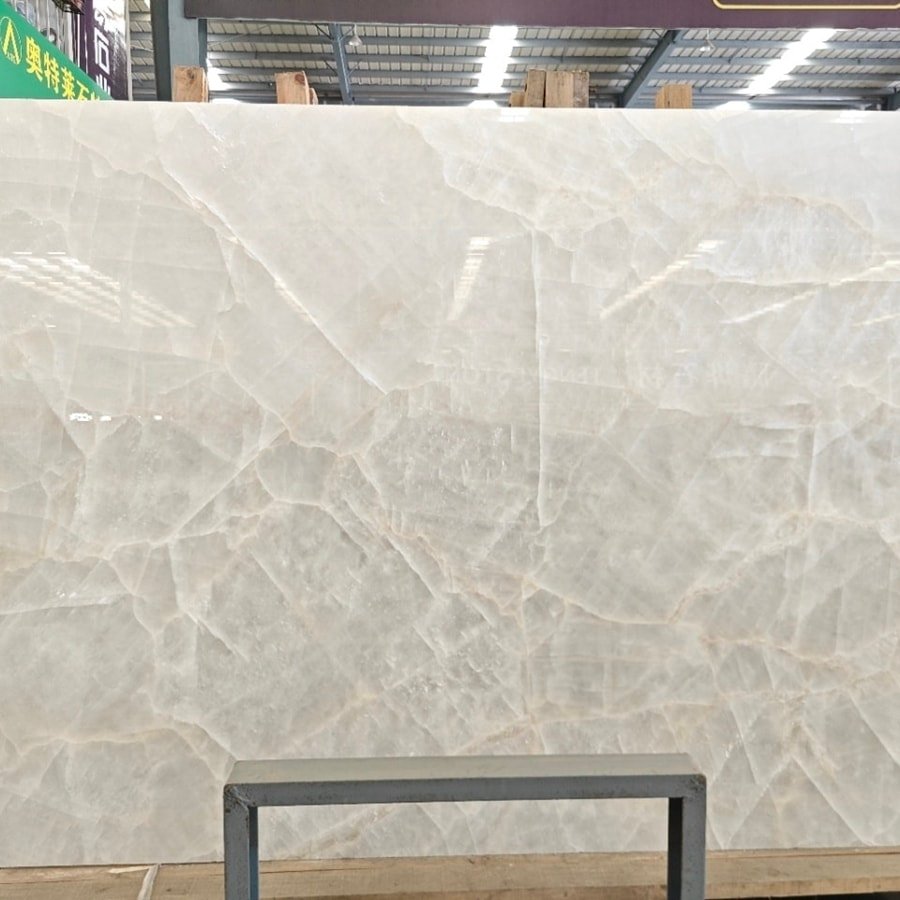
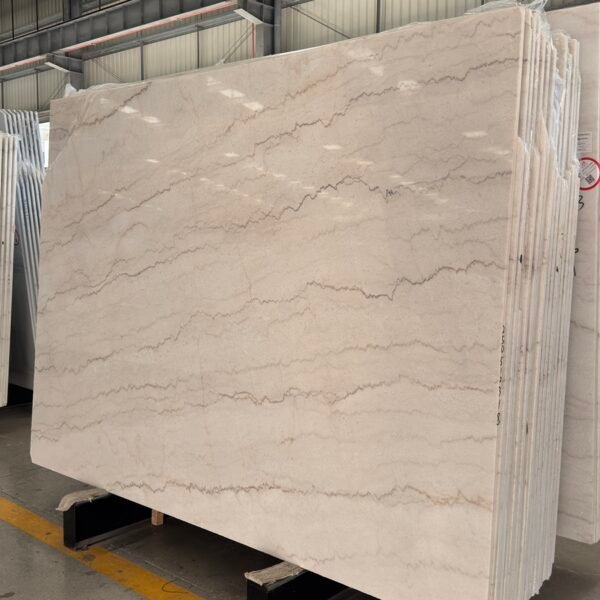
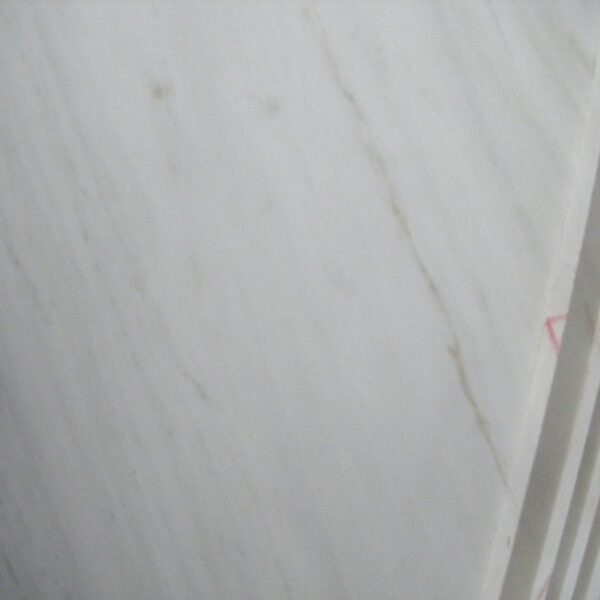
Appearance and composition: Crystal Jade typically contains calcitic components with varying micro-crystalline structure that can include tiny sparkling inclusions. Depending on slab thickness, some pieces show slight translucency, which enhances depth and can be exploited by backlighting. The greenish cast is subtle and harmonizes with metallics and pale woods. Veining ranges from fine and wispy to more pronounced linear patterns, but overall, the stone tends to read softer than bold marbles.
Appropriate architectural uses: Vertical surfaces and decorative elements make the most of Crystal Jade’s serene color and depth. Applications include full-height interior cladding, bathroom walls, vanity tops, fireplace surrounds, reception desk faces, and backlit bar fronts. Thin-slab backlit features highlight translucency and deliver dramatic, luminous focal points. For countertops, the material is suitable for low- to moderate-use areas; in active kitchens, protective habits or alternative materials are recommended for heavy prep zones.
Finish choices and functional performance: Polished finishes emphasize color depth and crystalline highlights, whereas honed or satin finishes produce more contemporary, tactile surfaces and conceal small scratches. Leathered finishes can add texture while maintaining sheen. For wet-area flooring, choose honed finishes with anti-slip treatments. Polished horizontal surfaces will show etches and require more frequent upkeep.
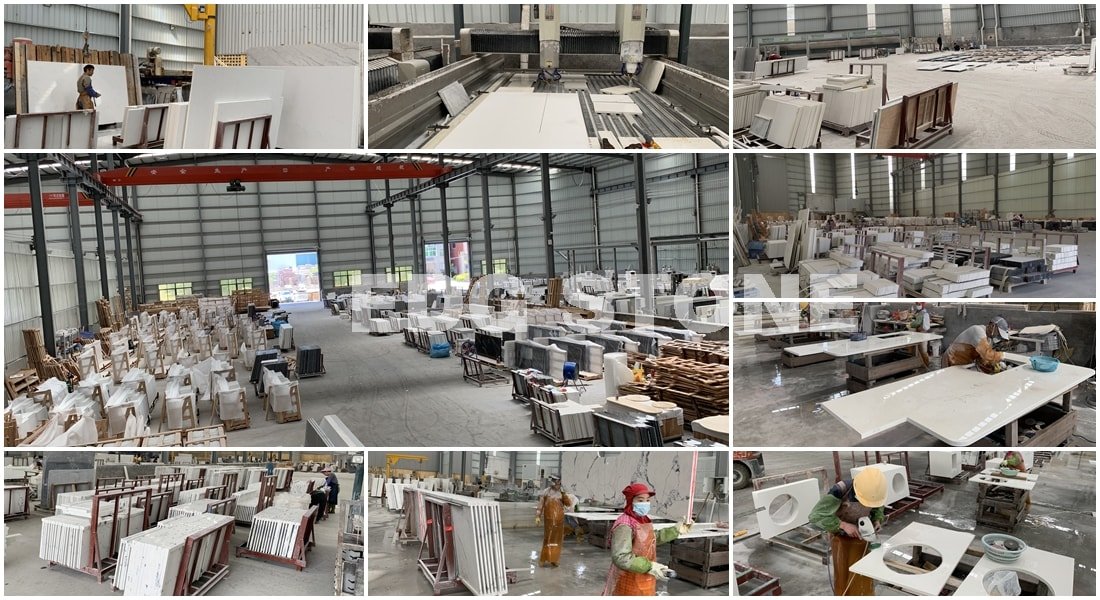
Fabrication and installation considerations: Because crystal-like zones and natural veins can contain internal fissures, slabs may require resin impregnation to stabilize voids, particularly for thin slabs or backlit panels. Fabricators should test slabs for translucency and structural soundness before specifying backlighting. For bookmatching or large-format cladding, coordinate slab layout to control vein flow and color continuity. Substrate preparation and flexible adhesive systems are necessary to accommodate small movements and prevent cracking.
Maintenance and care: As a calcitic stone, Crystal Jade should be sealed with penetrating sealers and cleaned with pH-neutral products. Avoid acidic cleaners that cause etching. In countertops, use cutting boards and trivets to minimize direct contact with hard or hot objects. Reseal and inspect periodically; consider repolishing if high gloss is desired to restore visual depth.
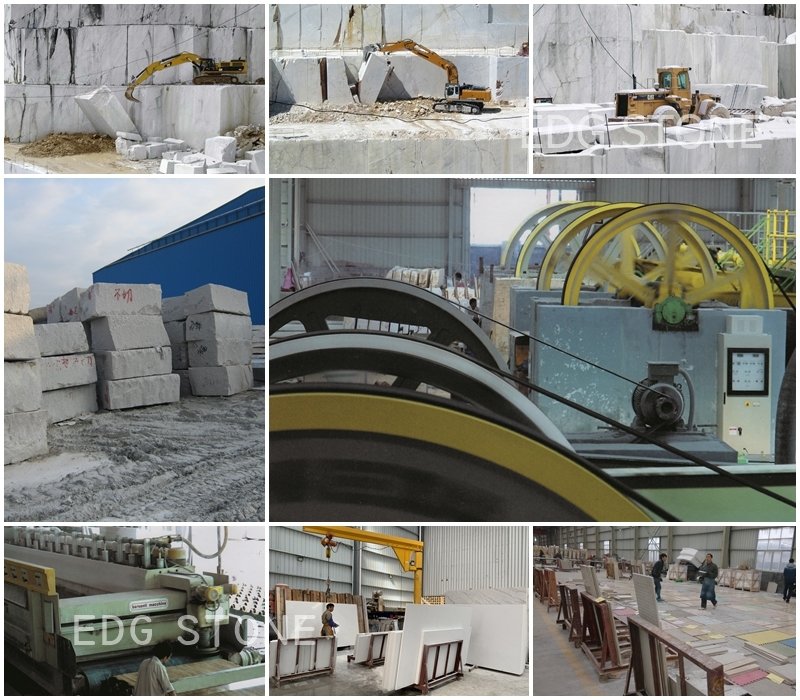
Sustainability and sourcing: Source transparency is important—know the quarry origin and any treatment histories (resin impregnation, dyeing). Using reclaimed slabs or efficient nesting reduces waste. Consider lifecycle impact: when used as focal panels rather than entire floor fields, Crystal Jade brings visual luxury with lower material volumes and reduced environmental footprint.
Summary: Crystal Jade Marble offers a serene, subtly colored aesthetic with potential for luminous backlit features. Best applied to vertical cladding, vanity tops, and decorative elements where its translucency and cool tones can be showcased, it requires careful slab selection, possible stabilization, and a maintenance plan to preserve its refined character.