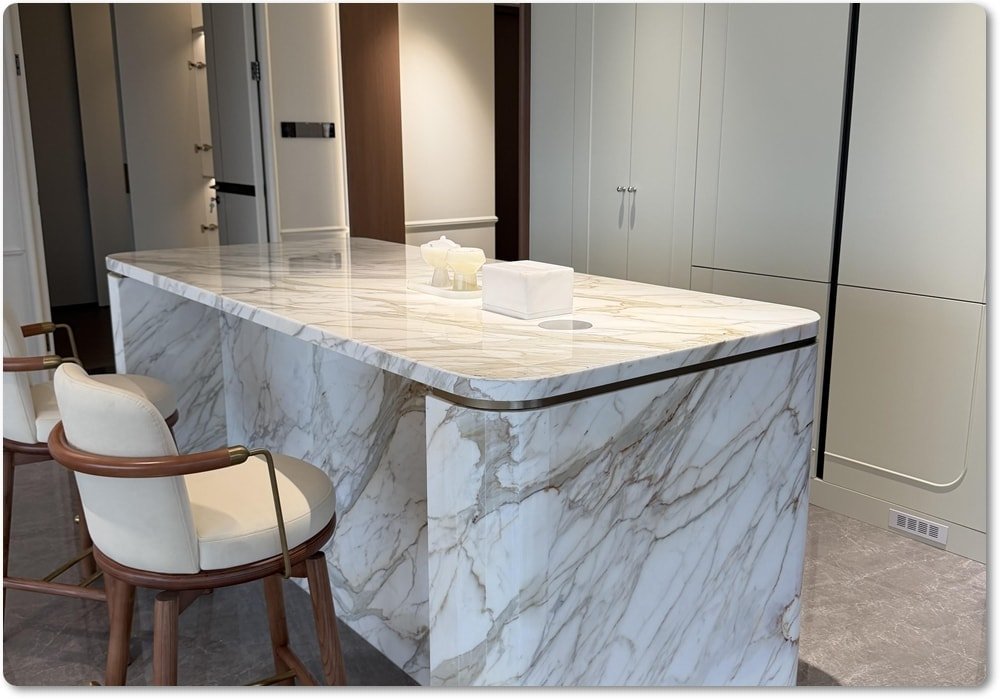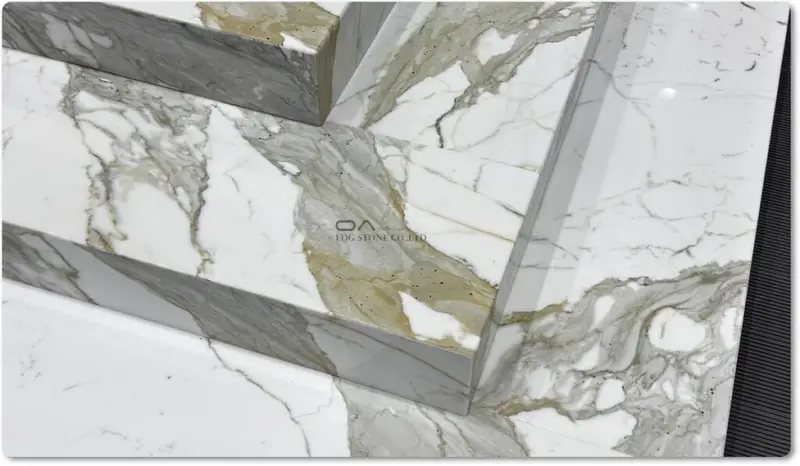
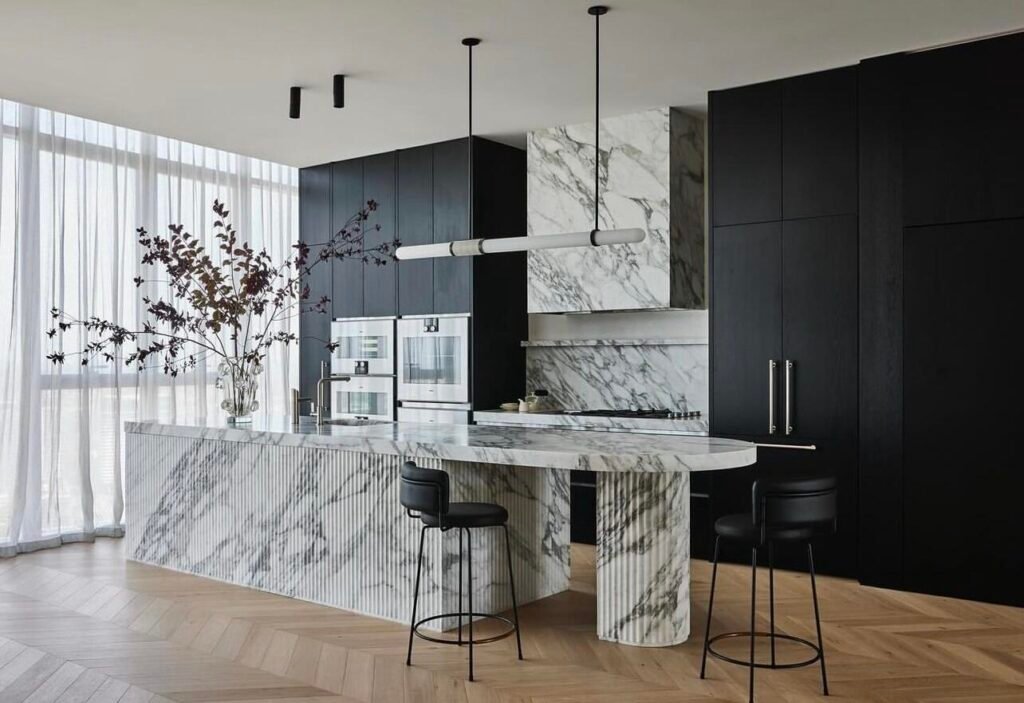
Introduction: Quartz Wall Cladding in Modern Supertall Buildings
In the evolving world of commercial real estate, architectural materials must meet increasingly demanding performance standards. Developers now expect building materials to combine aesthetics, durability, safety compliance, and efficient installation. Among the most widely adopted materials in modern commercial interiors and façades is quartz stone, particularly in the form of engineered quartz slabs and quartz tiles.
Quartz wall cladding has become especially attractive for luxury hotels, office towers, mixed-use developments, and transportation hubs. Its uniform appearance, stain resistance, and durability make it suitable for high-traffic environments. However, the installation of engineered quartz wall systems becomes significantly more complex when applied to supertall buildings.
Supertall buildings—defined as structures exceeding 300 meters—pose challenges that are rarely encountered in conventional construction. Wind loads, building movement, vertical logistics, safety regulations, and structural tolerances all affect the design and installation of wall cladding systems.
This article presents a detailed commercial real estate case study focusing on the installation challenges of quartz wall cladding systems in supertall structures. It examines technical solutions, regulatory considerations, and best practices for contractors, architects, and developers when specifying engineered quartz composite wall systems.
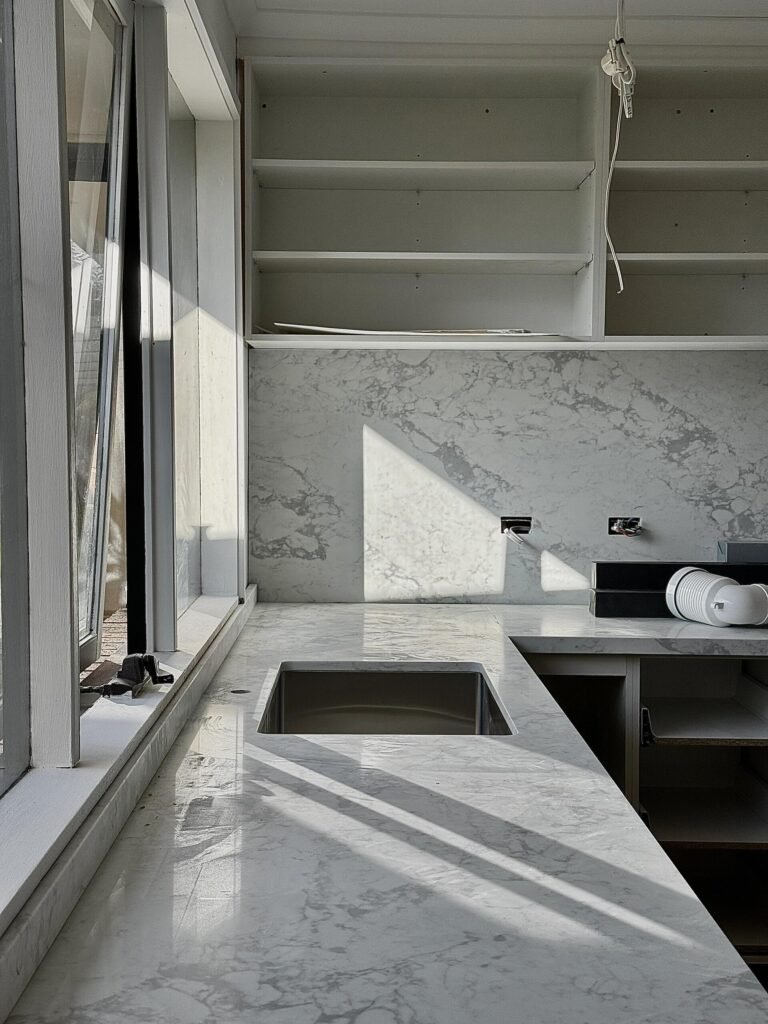
Project Background: Why Quartz Stone Was Selected?
Architectural Design Requirements
In this case study, the project involved a mixed-use commercial tower consisting of offices, retail spaces, and hospitality facilities. The design team required wall surfaces that would meet the following criteria:
High durability under constant public use
Visual consistency across large vertical surfaces
Low maintenance over long life cycles
Resistance to stains, chemicals, and impact
Compatibility with engineered wall systems
Traditional natural stone materials such as marble or limestone were initially considered. However, the design team ultimately selected engineered quartz slabs due to their superior consistency and lower porosity.
Performance Advantages of Quartz Wall Cladding
Quartz wall cladding offers several technical advantages:
Low water absorption reduces long-term staining risks
High compressive strength, ensuring panel stability
Uniform color and pattern, enabling large continuous installations
Resistance to chemicals and cleaning agents
In large commercial environments such as airports or hotels, these characteristics provide clear long-term maintenance benefits.
Quartz Slabs vs Quartz Tiles
Two main material formats were evaluated:
Quartz Slabs
Large panel sizes
Fewer joints
Strong visual impact
Quartz Tiles
Smaller modular units
Easier handling
More flexible installation
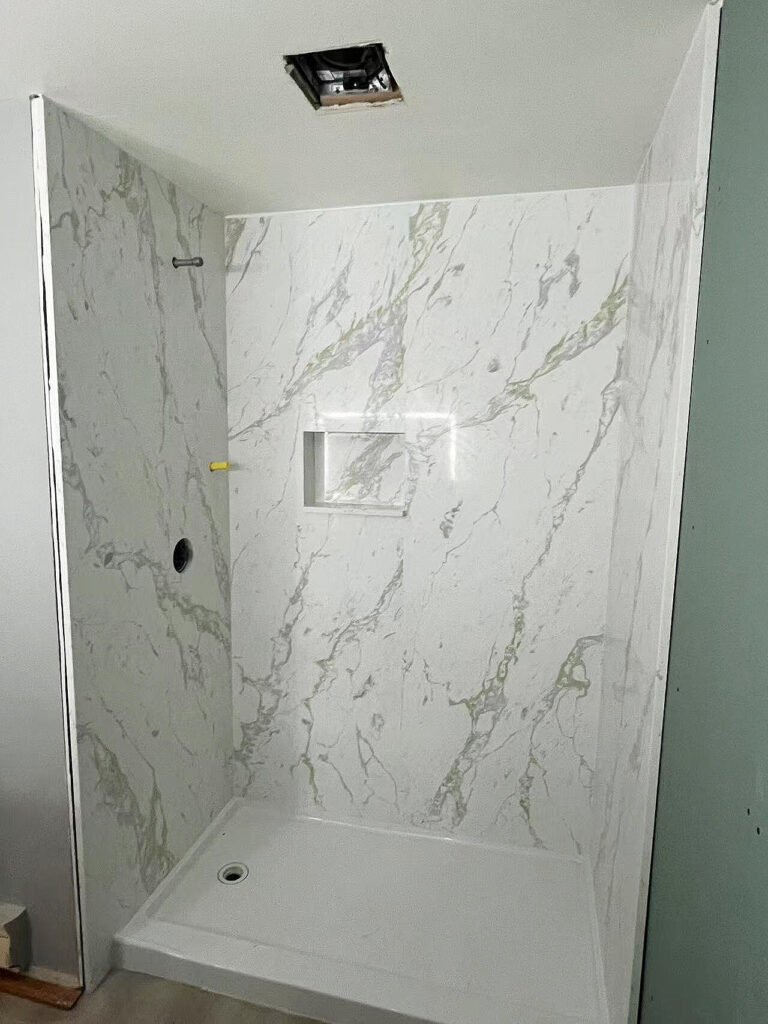
Ultimately, large quartz slabs were selected for feature walls and lobby installations, while quartz tiles were used in service corridors and secondary areas.
Key Installation Challenges in Supertall Buildings
Vertical Logistics and Material Transport
One of the most significant difficulties in supertall construction is vertical material logistics.
Quartz slabs are heavy. Large slabs used for wall cladding can weigh hundreds of kilograms each. Transporting these materials hundreds of meters vertically requires careful planning.
Key logistical constraints included:
Limited construction elevators
Restricted lifting schedules
Material storage limitations on high floors
To address these challenges, the contractor implemented prefabricated panel delivery systems, allowing panels to arrive ready for installation.
Structural Movement and Wind Load
Supertall buildings experience significant structural movement caused by wind pressure and thermal expansion.
Even slight structural deflection can create stress on rigid materials like quartz slabs. Without proper accommodation, panels may crack or detach.
To mitigate this risk, engineers designed a flexible anchoring system allowing minor movement without transferring stress to the stone surface.
Tolerance Control
In high-rise construction, even minor dimensional variations can accumulate across floors.
A tolerance deviation of just 3 mm per floor can translate into significant misalignment over dozens of floors.
Quartz wall systems must therefore include:
Adjustable mounting brackets
Alignment channels
Expansion joints
These features allow installers to maintain precise alignment across large wall surfaces.
Regulatory and Compliance Factors
Building Code Requirements
Modern building codes strongly influence the design of wall systems in high-rise buildings.
Several regulatory considerations include:
Fire safety requirements for wall assemblies
Structural performance standards
Material combustibility ratings
These requirements often affect the choice of backing systems, adhesives, and mounting hardware.
Fire Safety Considerations
Exterior and interior wall systems in tall buildings must meet strict fire performance standards.
Quartz stone itself is non-combustible, but the complete wall assembly—including insulation, adhesives, and backing panels—must also meet fire safety requirements.
Therefore, wall cladding systems often undergo fire propagation testing as a complete assembly.
Occupational Safety Regulations
Another major regulatory factor concerns silica dust exposure during quartz cutting and fabrication.
Quartz stone contains crystalline silica, which can produce respirable dust when cut or ground. Modern safety regulations, therefore, encourage:
Off-site fabrication
Wet cutting methods
Dust extraction systems
These measures reduce health risks and improve job site safety.
Engineered Wall Systems: The Preferred Installation Approach
What Are Engineered Wall Systems?
Engineered wall systems refer to integrated structural frameworks designed specifically for cladding materials.
Rather than attaching quartz slabs directly to the substrate, installers use:
aluminum subframes
concealed anchors
mechanical brackets
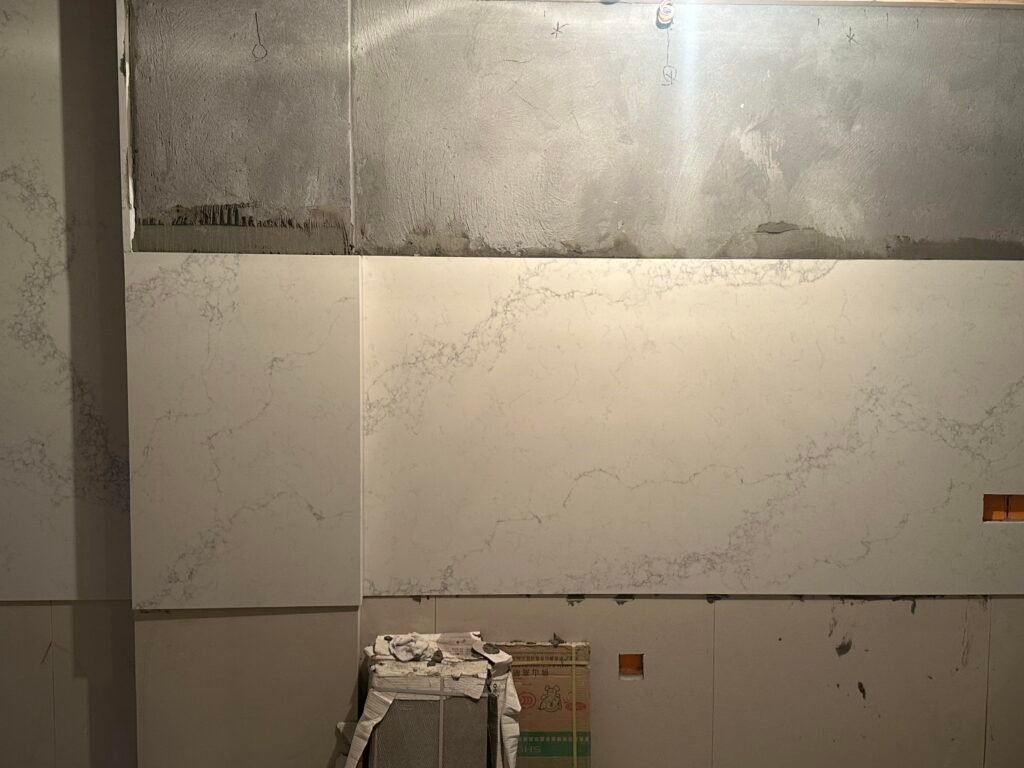
This approach distributes loads evenly and allows precise panel positioning.
Benefits of Engineered Quartz Wall Systems
Engineered systems provide multiple advantages:
Improved structural stability
Simplified installation sequencing
Reduced stress on quartz slabs
Better alignment control
These systems are especially important in tall buildings where structural movement must be accommodated.
Quartz Wall Cladding Thickness Considerations
The thickness of quartz panels plays a critical role in installation performance.
Typical quartz wall cladding thickness ranges include:
12 mm panels for lightweight interior installations
15 mm panels for medium-scale commercial spaces
20 mm panels for heavy-duty environments
Engineers must balance structural strength with weight limitations.
Supply Chain and Manufacturing Considerations
Importance of Reliable Quartz Manufacturers
For large commercial projects, selecting the right supplier is critical.
Developers often prefer quartz wall cladding manufacturers capable of providing:
consistent slab quality
large production capacity
precise fabrication
International logistics support
Factory Fabrication vs On-Site Cutting
Prefabrication in specialized factories provides multiple advantages:
improved accuracy
Reduced silica exposure
faster installation
lower waste rates
As a result, many developers now prefer working directly with quartz slab factories or wholesale suppliers capable of delivering pre-cut panels.
The Role of EDG Stone in Project Supply
Companies like EDG Stone focus on supplying engineered quartz products for global commercial projects. Their manufacturing approach emphasizes:
precision fabrication
consistent color matching
customized panel sizing
fast project lead times
Such capabilities are particularly important for large-scale commercial developments.
Lessons Learned from the Case Study
Prefabrication Improves Installation Efficiency
One of the most important lessons from this project was the value of factory prefabrication.
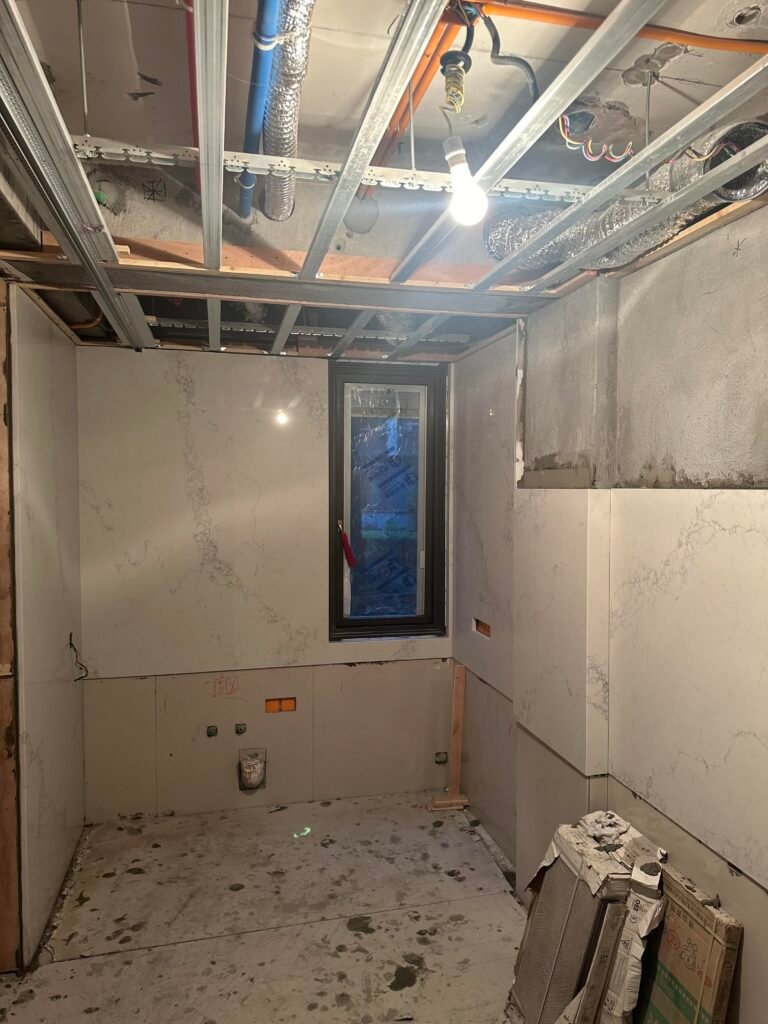
Prefabricated panels significantly reduced installation time and minimized jobsite cutting.
Engineered Wall Systems Reduce Risk
Using a properly designed engineered wall system reduced stress on the quartz panels and improved overall alignment accuracy.
Early Coordination Is Essential
Coordination between architects, contractors, and manufacturers during the design phase ensured that:
panel sizes were optimized
Structural anchors were pre-planned
installation sequences were clearly defined
FAQ Section
What is quartz wall cladding?
Quartz wall cladding is a decorative and protective wall system made from engineered quartz stone panels. These panels are typically fabricated from a mixture of natural quartz crystals, resins, and pigments to create a durable composite material.
Quartz wall cladding is commonly used in commercial buildings, hotels, offices, and residential interiors. It provides a modern aesthetic while offering resistance to stains, moisture, and daily wear.
Because of its durability and consistent appearance, quartz wall cladding is often selected for high-traffic spaces where traditional natural stone might require more maintenance.
How thick should quartz wall cladding panels be?
The thickness of quartz wall cladding panels depends on the specific application and installation method.
For most interior wall installations, panels ranging from 12 mm to 15 mm are common. These thicknesses provide adequate strength while keeping the panel weight manageable.
For high-traffic commercial areas or structural installations, thicker panels—typically around 20 mm—may be recommended to improve impact resistance and long-term durability.
The final thickness selection should always consider structural support systems and building movement requirements.
How are quartz wall cladding panels installed?
Quartz wall cladding panels can be installed using mechanical anchors, adhesive bonding systems, or engineered wall systems with aluminum subframes.
In modern commercial projects, engineered mounting systems are often preferred because they provide better load distribution and alignment control.
Installers typically prepare the wall substrate, install the support framework, and then mount the quartz panels using concealed brackets or clips.
This approach allows precise panel alignment while also accommodating structural movement in tall buildings.
Is engineered quartz suitable for high-rise buildings?
Yes, engineered quartz can be suitable for high-rise and supertall buildings when installed using proper wall systems.
The key is ensuring that the quartz panels are supported by engineered mounting systems designed to accommodate structural movement and wind loads.
When combined with proper anchoring systems and expansion joints, quartz wall cladding can perform reliably in large commercial towers.
However, design professionals must carefully evaluate panel thickness, mounting hardware, and installation tolerances.
How do developers choose a quartz wall cladding manufacturer?
Developers should evaluate several factors when selecting a quartz wall cladding manufacturer.
These include production capacity, material consistency, fabrication precision, and project delivery experience.
Manufacturers that specialize in commercial projects often provide customized panel sizing, quality control systems, and international shipping support.
Working with experienced suppliers also helps ensure compliance with building codes and performance standards.
Semantic Insight Block
Understanding Quartz Wall Cladding in Supertall Buildings
What makes quartz wall cladding suitable for modern skyscrapers?
Quartz wall cladding combines visual consistency, durability, and low maintenance requirements. These characteristics make it attractive for commercial environments such as office towers, luxury hotels, and retail complexes, where long-term performance and aesthetics are critical.
Why do supertall buildings require engineered wall systems?
Supertall structures experience wind loads, structural drift, and thermal expansion. Engineered wall systems allow quartz panels to be installed with flexible mounting mechanisms that accommodate these movements without damaging the stone.
How are installation challenges solved in practice?
Successful projects rely on prefabricated quartz panels, precision mounting hardware, and strict tolerance management. Prefabrication significantly reduces jobsite cutting, improving both installation efficiency and worker safety.
What system options exist for quartz wall cladding?
Developers may choose between adhesive systems, mechanical anchors, or fully engineered aluminum subframe systems. For high-rise commercial projects, engineered systems provide the most reliable performance and long-term serviceability.
What should buyers consider when sourcing quartz wall cladding?
Buyers should evaluate panel thickness, structural mounting systems, factory fabrication capabilities, and supplier experience in large commercial projects. Working with specialized manufacturers ensures material consistency and efficient project delivery.