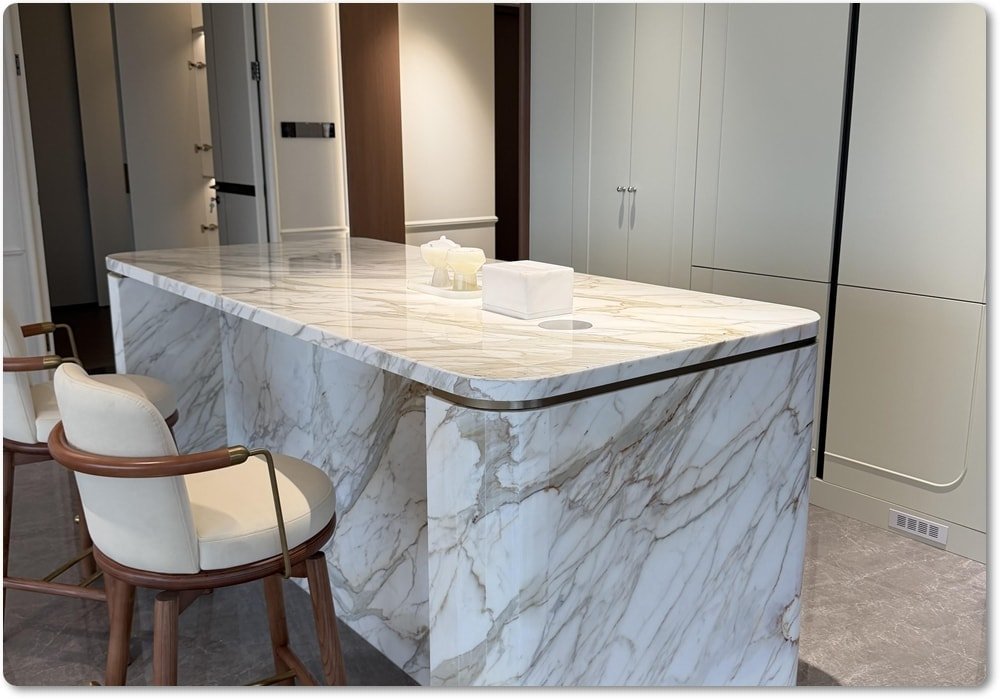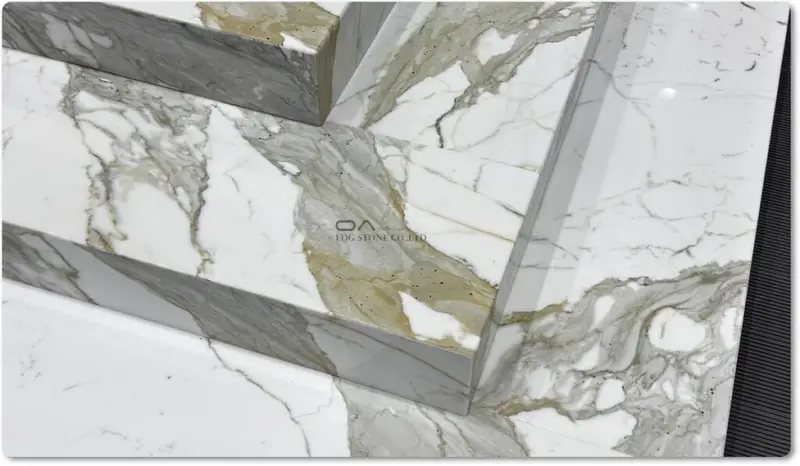
Quick Summary: The Commercial Flooring Verdict
For high-traffic commercial areas like hotel lobbies and malls, Granite flooring is the scientifically superior choice over Slate or Travertine due to its Mohs hardness rating (6-7) and igneous density.
- Durability: Granite resists abrasion from foot traffic and luggage wheels better than sedimentary stones.
- Safety: Proper finishes (Flamed/Brushed) meet ADA slip-resistance standards (DCOF > 0.42).
- Sourcing: Avoiding retail chains (like Floor and Decor) in favor of a wholesale manufacturer like EDG Stone ensures batch consistency and custom thickness for commercial loads.
- ROI: While initial costs are higher, the 50-year lifespan of granite reduces Total Cost of Ownership (TCO).
Best for: Hotel Lobbies, Corporate HQs, Airports, and Shopping Centers.
The lobby of a commercial building is more than an entryway; it is a statement of intent. It is the handshake between the building and the visitor. However, from an operational perspective, it is a battlefield. Thousands of footsteps, rolling luggage, wet umbrellas, and delivery carts wage a daily war against the floor.
Choosing the best flooring for high-traffic commercial areas is not merely an aesthetic decision; it is a calculation of physics and finance. While trends come and go, the geology of the material remains constant. This guide dissects why granite flooring remains the unassailable king of high-traffic zones, comparing it against popular alternatives like slate and travertine, and explaining why the supply chain—from a retailer to a dedicated manufacturer like EDG Stone—matters just as much as the stone itself.
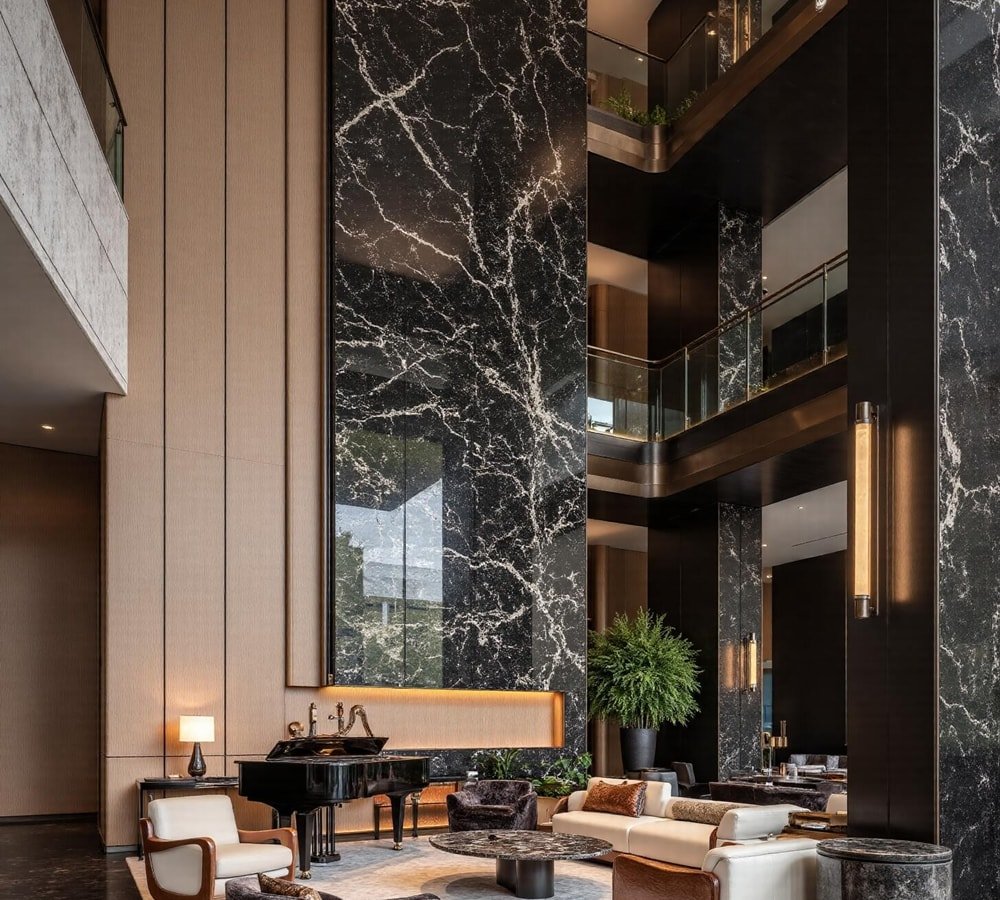
1. The High-Traffic Challenge: Why Commercial Lobbies Fail?
To understand the solution, we must first quantify the problem. A residential floor might see 20 impact events a day. A busy hotel lobby can see 5,000.
Defining “High-Traffic” in Hospitality and Retail
“High traffic” is an engineering term, not just a description. In the context of flooring for high-traffic commercial areas, it involves three distinct stress factors:
Abrasion: The sandpaper effect of dust and grit trapped under shoe soles.
Point Load: The concentrated weight of stiletto heels or loaded luggage trolley wheels.
Chemical Stress: Exposure to industrial cleaning agents, road salts tracked in from outside, and coffee spills.
If the flooring material has a low compressive strength or high porosity, these factors will cause “pathing”—visible, dull trails where people walk the most—within six months.
The Cost of Replacement (TCO)
Many developers make the mistake of prioritizing CAPEX (Capital Expenditure) over OPEX (Operating Expenditure). They choose a cheaper material, like standard ceramic or low-grade travertine flooring, to save budget. However, replacing a lobby floor is a logistical nightmare. It involves shutting down the main entrance, jackhammering concrete, and dust contamination. The “Total Cost of Ownership” of a floor that lasts 50 years (Granite) is significantly lower than a floor that needs resurfacing every 5 years (Marble or Wood).
Safety First: Slip Resistance
A shiny floor is beautiful; a slippery floor is a lawsuit. The most critical metric for granite traffic solutions is the DCOF (Dynamic Coefficient of Friction). According to ANSI A137.1 standards, commercial flooring must have a wet DCOF of >0.42. Achieving this on natural stone requires specific processing techniques (honing, flaming, or brushing) that only specialized factories can execute consistently across thousands of square feet.
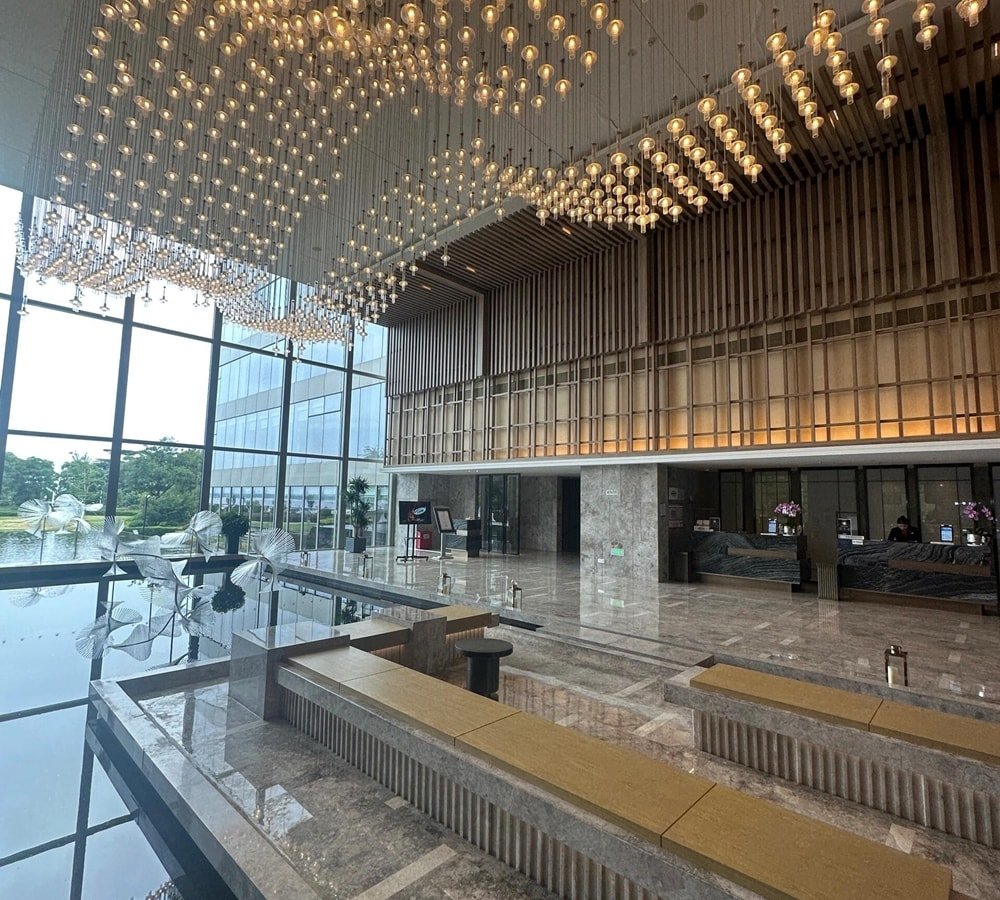
2. Granite vs. The Alternatives: A Material Showdown
When browsing options at a retailer, everything looks durable on the shelf. But how do they perform under the microscope?
Granite Flooring vs. Slate Flooring
Slate flooring creates a rustic, textured aesthetic that designers love. However, slate is a metamorphic rock formed in layers (foliated).
The Failure Point: Under heavy rolling loads (like bellhop carts), the layers of slate can undergo “clefting” or flaking. The surface literally peels off.
The Granite Advantage: Granite is igneous. It formed from cooling magma, creating a solid, interlocking crystalline structure. It has no cleavage planes. It does not flake; it wears down microscopically slowly over decades.
Granite vs. Travertine Flooring
Travertine flooring is a sedimentary limestone characterized by natural pits and voids. In production, these holes are filled with epoxy or cement.
The Failure Point: Under the point load of high heels or dropped objects, the filler often pops out, leaving sharp holes that trap dirt and look unsightly. Travertine is also highly acid-sensitive (etching).
The Granite Advantage: Commercial-grade granite has a tight grain structure with minimal porosity. It does not require fillers to create a flat surface, making it the best flooring for high-traffic areas where maintenance needs to be minimal.
Granite Tile vs. Porcelain/Ceramics
Retailers often push “Through-Body Porcelain.” While durable, porcelain is brittle. If a heavy object falls in a lobby, a porcelain tile is likely to crack.
The Aesthetic Risk: Even with “through-body” technology, a chip in a ceramic tile looks artificial.
The Granite Advantage: Granite is the same material all the way through. If a heavy sculpture falls and chips the floor, the chip reveals… more granite. It can be polished out in situ without replacing the tile.
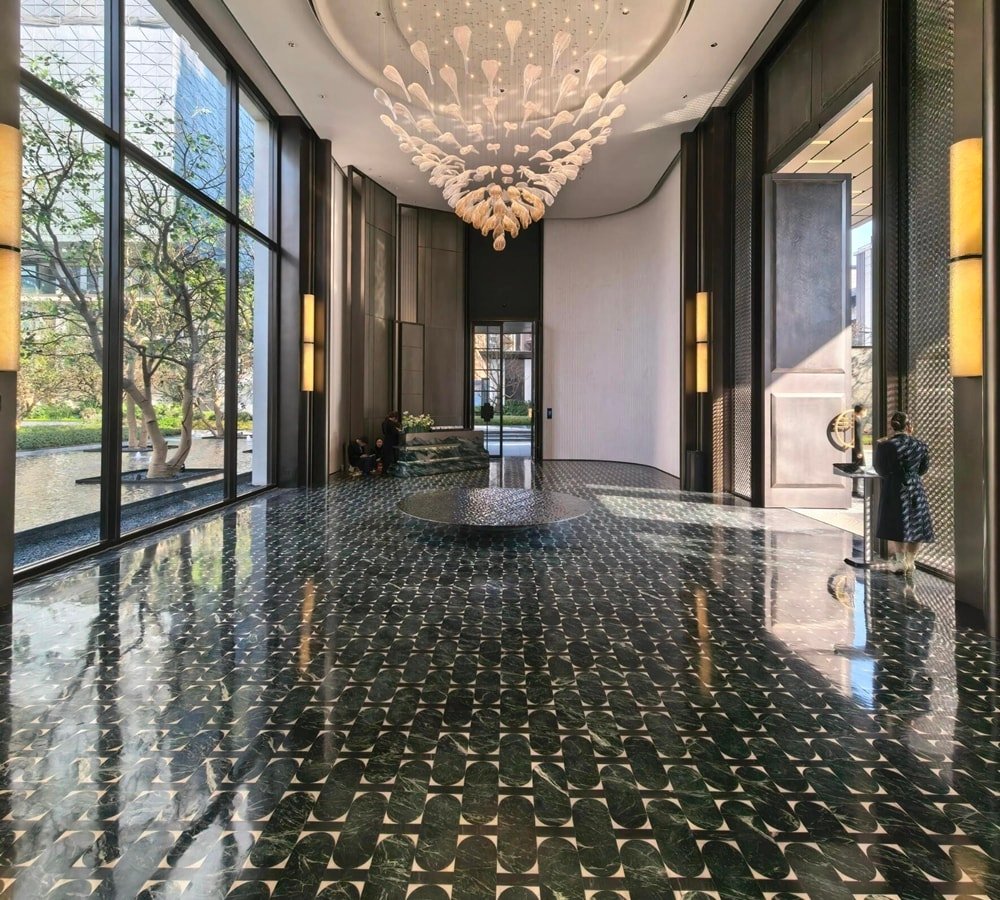
3. Technical Science: What Makes Granite the Superior Solution?
The superiority of granite is not an opinion; it is verifiable science based on geological standards.
The Mohs Scale of Hardness
The Mohs scale measures a mineral’s resistance to scratching.
Talc: 1
Marble/Travertine: 3-4 (Scratched by a copper coin or knife)
Granite: 6-7 (Harder than steel)
Diamond: 10
In a lobby, sand (quartz) tracked in on shoes has a hardness of 7. If your floor is Marble (hardness 3), the sand acts as a diamond cutter, destroying the finish. Granite (hardness 6-7) resists this abrasion naturally. This makes granite tile the only logical choice for entryways exposed to the street.
Friction and Finishes
To meet the DCOF safety standards, the finish matters more than the stone.
Polished: High gloss, low friction. Not recommended for wet entry zones.
Honed: Matte finish. Good slip resistance, hides scratches.
Flamed/Brushed: The surface is thermally shocked to create texture, then brushed to smooth the sharp peaks. This is the gold standard for EDG Stone exterior-to-interior transition areas.
Density and Stain Resistance
Granite is one of the densest natural stones. Its water absorption rate is typically between 0.1% and 0.3%. Compare this to Limestone or Travertine, which can exceed 2-3%. In a hotel lobby context, this means a spilled glass of red wine or a leaked coffee cup will not immediately penetrate the stone’s matrix, giving cleaning staff ample time to wipe it up without permanent staining.
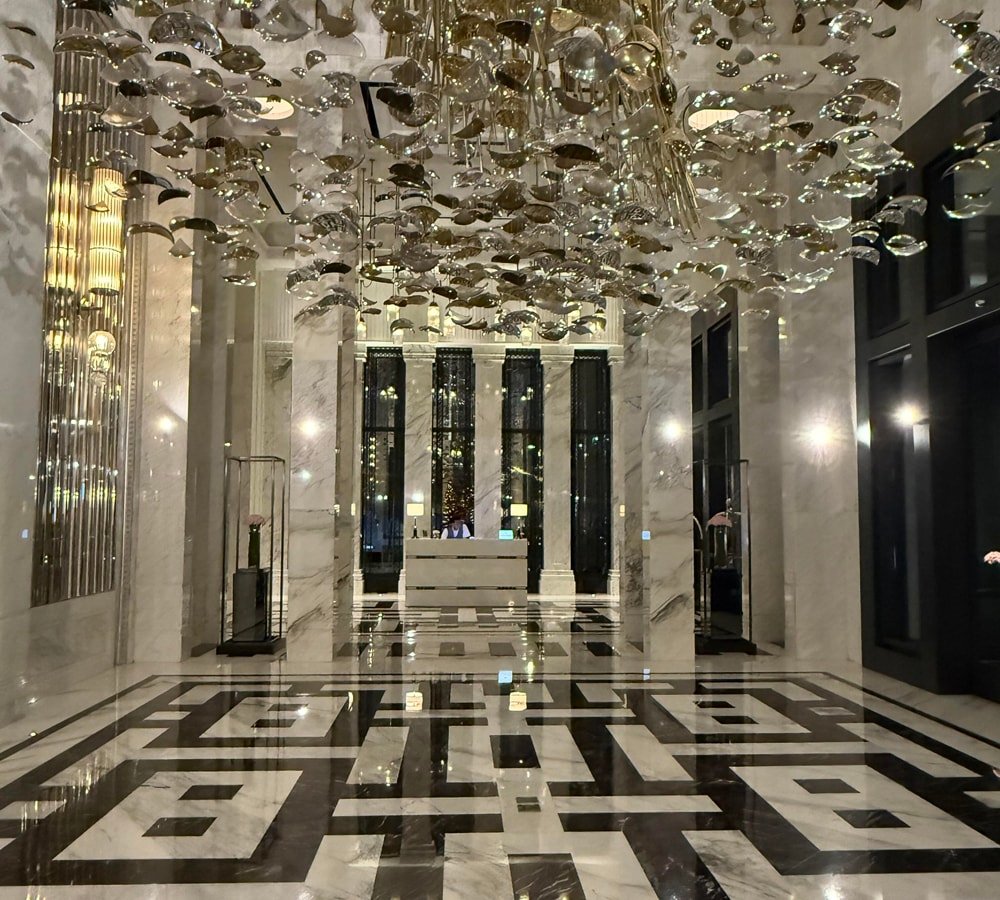
4. 2024-2025 Industry Trends & Regulatory Compliance
The commercial flooring sector is evolving. It is no longer just about durability; it is about scale and ethics.
Large Format & Seamless Look
The era of 12×12-inch tiles is over. Modern lobbies demand 24×48-inch or even larger slabs. Why? Grout is the weak link. Grout discolors, cracks, and absorbs dirt. By using large-format granite, you reduce the grout lines by 70%, creating a more monolithic, sanitary, and durable surface. This requires a factory capable of precision cutting large slabs without warping—a key capability of manufacturers like EDG Stone.
Sustainability & Sourcing (LEED)
Green building standards (LEED, BREEAM) reward the use of durable, local, or ethically sourced materials.
Longevity as Sustainability: Because granite does not need replacement for 50+ years, its carbon footprint per year of use is lower than that of vinyl or carpet.
Ethical Quarrying: Leading projects now demand transparency in the supply chain, ensuring the stone was quarried under safe labor conditions.
The Rise of “Bomb-Proof” Aesthetics
Post-pandemic design favors materials that look and feel “cleanable.” There is a trend towards lighter grey and white granites (like Bethel White or Sesame White) that mimic the look of marble but offer the “bomb-proof” durability of granite. This allows designers to achieve the high-traffic flooring solutions they need without sacrificing the high-end look of marble.
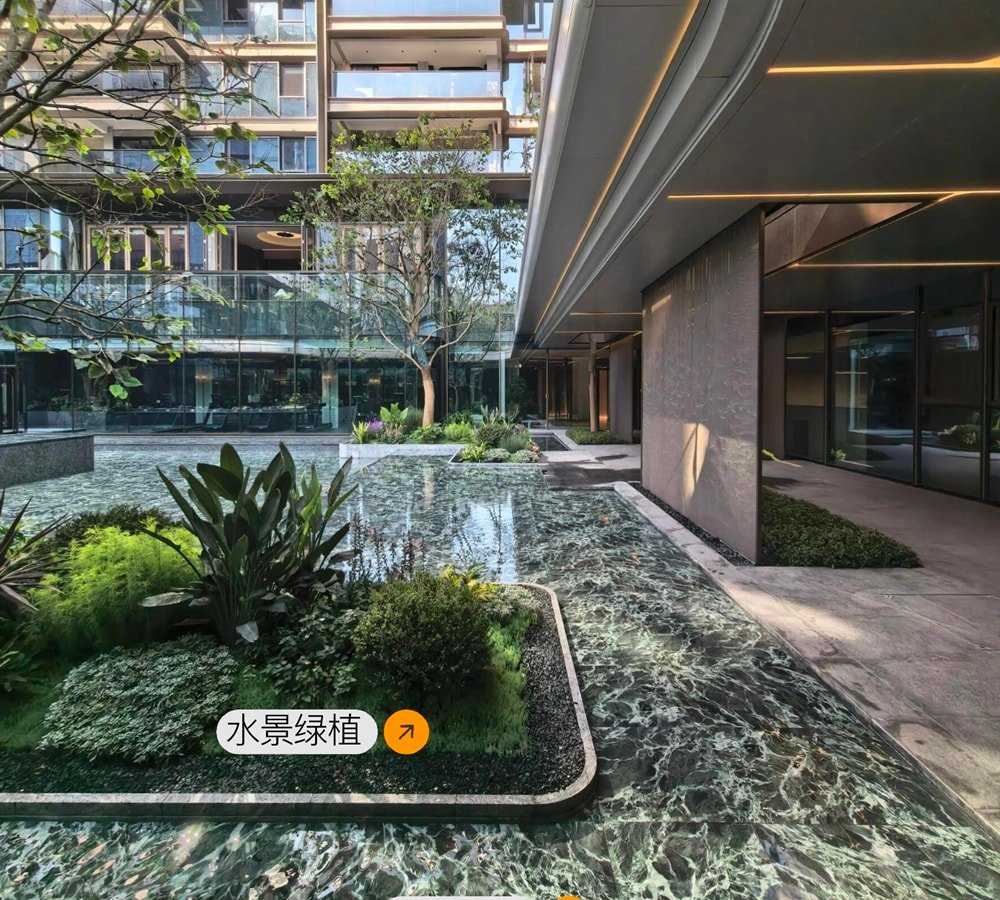
5. Sourcing Strategy: Retailer vs. Manufacturer
Where you buy the stone is as important as the stone itself.
The Limitations of “Floor and Decor” Retail
Retail giants like Floor and Decor serve the residential market well. However, for a 10,000 sq. ft. hotel lobby, they present risks:
Dye Lots: Retail stock is often a mix of different quarry batches. You might end up with slight shade variations that look terrible across a large open space.
Size Limits: They typically stock standard sizes (12×12, 12×24). They cannot provide custom sizes needed for specific architectural blueprints.
The EDG Stone Advantage: Factory Direct
Partnering with a dedicated wholesale granite flooring manufacturer like EDG Stone changes the project dynamics.
Block Selection: The factory selects raw blocks specifically for your project, ensuring 100% color consistency from the first tile to the last.
Dry-Lay Service: Before shipping, the factory lays out the floor in its facility, inspects the pattern flow, numbers the tiles, and packs them in order. This guarantees the installer on-site recreates the perfect design.
Custom Thickness: For extreme heavy-duty areas (e.g., car showrooms), a factory can cut granite to 3cm thickness, whereas retail is limited to 1cm or 1.5cm.
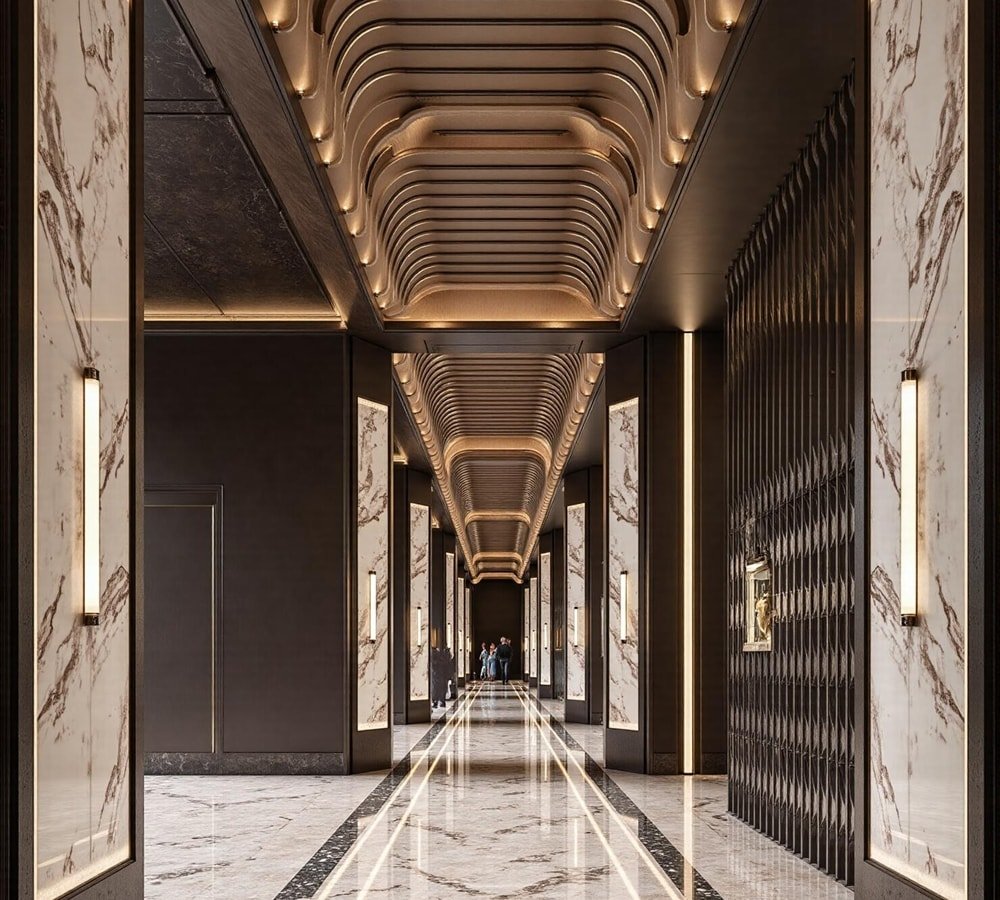
6. Maintenance & Longevity: Keeping the Shine
Granite is tough, but it is not magic. A maintenance protocol is essential for the commercial facility manager.
Sealing Protocols for Commercial Spaces
While granite is dense, it should be sealed with a penetrating impregnator upon installation. For high-traffic areas, this should be reapplied every 12-18 months. This invisible barrier prevents oil and water from entering the micropores.
Restoration Potential
This is the final winning argument for granite flooring. If a porcelain floor gets scratched, it is ruined. If a concrete floor cracks, it must be patched (ugly). If a granite floor eventually loses its shine after 10 years of heavy traffic, it can be mechanically re-polished in place. A stone restoration crew can grind down the top millimeter and polish it back to a factory shine. The floor is effectively brand new again. This lifecycle capability is unique to natural stone.
7. FAQ: Common Questions on High-Traffic Commercial Flooring
Q1: What is the absolute hardest flooring for a commercial lobby? Granite is widely considered the hardest natural stone flooring suitable for commercial lobbies, with a Mohs hardness of 6-7. While Quartzite is harder, it is more expensive and brittle. Granite offers the best balance of hardness, toughness, and cost.
Q2: Is granite flooring slippery when wet? Polished granite can be slippery. For commercial lobbies, it is crucial to specify a Honed, Flamed, or Leathered finish. These textures increase the coefficient of friction (DCOF) to meet safety standards while retaining the stone’s beauty.
Q3: How does granite compare to terrazzo for high traffic? Terrazzo is also excellent but significantly more expensive to install due to the labor involved (pouring and grinding on-site). Granite tiles offer similar durability at a lower installed cost and are easier to repair individually if damaged.
Q4: Can I use residential-grade granite in a hotel? No. Commercial granite typically requires a thicker cut (minimum 1.5cm or 2cm) and a stricter selection process to avoid fissures or weak veins that might survive residential traffic but fail under luggage carts. Always source from a commercial factory.
Q5: Why shouldn’t I use Travertine in a high-traffic area? Travertine is filled with holes (voids). Under the pressure of high heels and heavy traffic, the filler material often dislodges, creating cleaning hazards and an uneven surface. It is chemically softer and wears down much faster than granite.
Strategic Insight: The Commercial Flooring Investment Guide
Why Granite Wins the “Traffic War”?
In the “Material Showdown” of flooring for high-traffic commercial areas, Granite is the only material that balances Mohs Hardness (7) with Chemical Resistance. Unlike Slate (cleavage issues) or Travertine (fillers popping out), Granite maintains its structural integrity under millions of footsteps.
Technical Buying Criteria
Procurement officers must specify:
1. Finish: Honed or Flamed for DCOF >0.42 compliance.
2. Absorption: <0.4% water absorption rate.
3. Format: Large format to minimize grout maintenance.
Manufacturer vs. Retailer
For projects >2,000 sq. ft., relying on retailers like Floor and Decor is risky due to dye-lot variations. Working with a dedicated factory like EDG Stone ensures:
– Dry-Lay Inspection: Preventing aesthetic errors before shipping.
– Custom Thickness: Ability to cut 2cm+ for heavy load zones.
– Direct Quarry Sourcing: Lower costs and higher consistency.
References
Natural Stone Institute (MIA+BSI): Dimension Stone Design Manual, Version VIII (Flooring Standards).
ASTM International: ASTM C615 – Standard Specification for Granite Dimension Stone.
Tile Council of North America (TCNA): DCOF AcuTest Standards for Slip Resistance (ANSI A137.1).
Americans with Disabilities Act (ADA): Standards for Accessible Design (Floor and Ground Surfaces).
Construction Specifications Institute (CSI): MasterFormat 09 63 40 – Stone Flooring specifications.
GSA (U.S. General Services Administration): Public Buildings Service – P100 Facilities Standards regarding high-traffic flooring.
Journal of Architectural Engineering: Comparative analysis of wear resistance in igneous vs. sedimentary rocks.
Whole Building Design Guide (WBDG): flooring selection for longevity and maintenance.