Introduction: Why Scratch Resistance Matters in 2025+?
Scratches are the most common reason homeowners replace countertops. As kitchen spaces evolve into high-traffic work zones with knives, metal pans, small appliances, rolling serving carts, and sometimes even children doing homework directly on the countertop surface, durability becomes a priority equal to beauty. Taj Mahal quartzite stands out as one of the few materials that combines marble-like elegance with granite-level toughness, offering a surface that can withstand abrasion with minimal signs of wear over time.
In an era where material lifecycle, maintenance cost, and long-term sustainability matter more than trend aesthetics, Taj Mahal quartzite is positioned as a premium category stone. Unlike marble, which is sensitive to etching and scratching, Taj Mahal quartzite delivers true hardness rooted in geological formation rather than just surface coating or resin reinforcement. This is why homeowners, architects, and commercial project managers increasingly specify it for high-use environments.
What Is Taj Mahal Quartzite?
Geological Origin
Taj Mahal quartzite is a metamorphic stone formed when sandstone, rich in quartz crystals, undergoes millions of years of heat and compression. Unlike marble—which originates from limestone—quartzite retains high silica content, resulting in a dense crystalline structure. This natural transformation explains its durability and resistance to wear.
Mineral Composition & Why It Matters for Hardness
Quartzite typically contains 85–99% quartz, which naturally ranks Mohs 7 on the hardness scale. Marble, in contrast, contains calcite (Mohs 3), making it much softer and vulnerable to scratches, knives, and acidic etching. Taj Mahal quartzite’s hardness means most metal utensils are softer than the countertop itself, reducing scratch visibility even under daily use.
Appearance
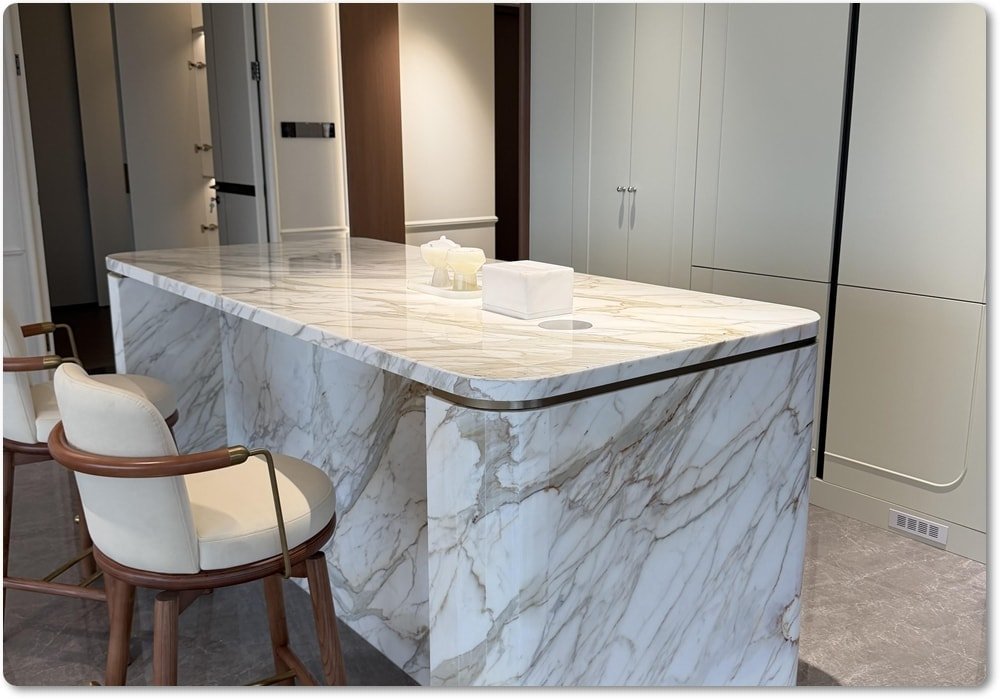
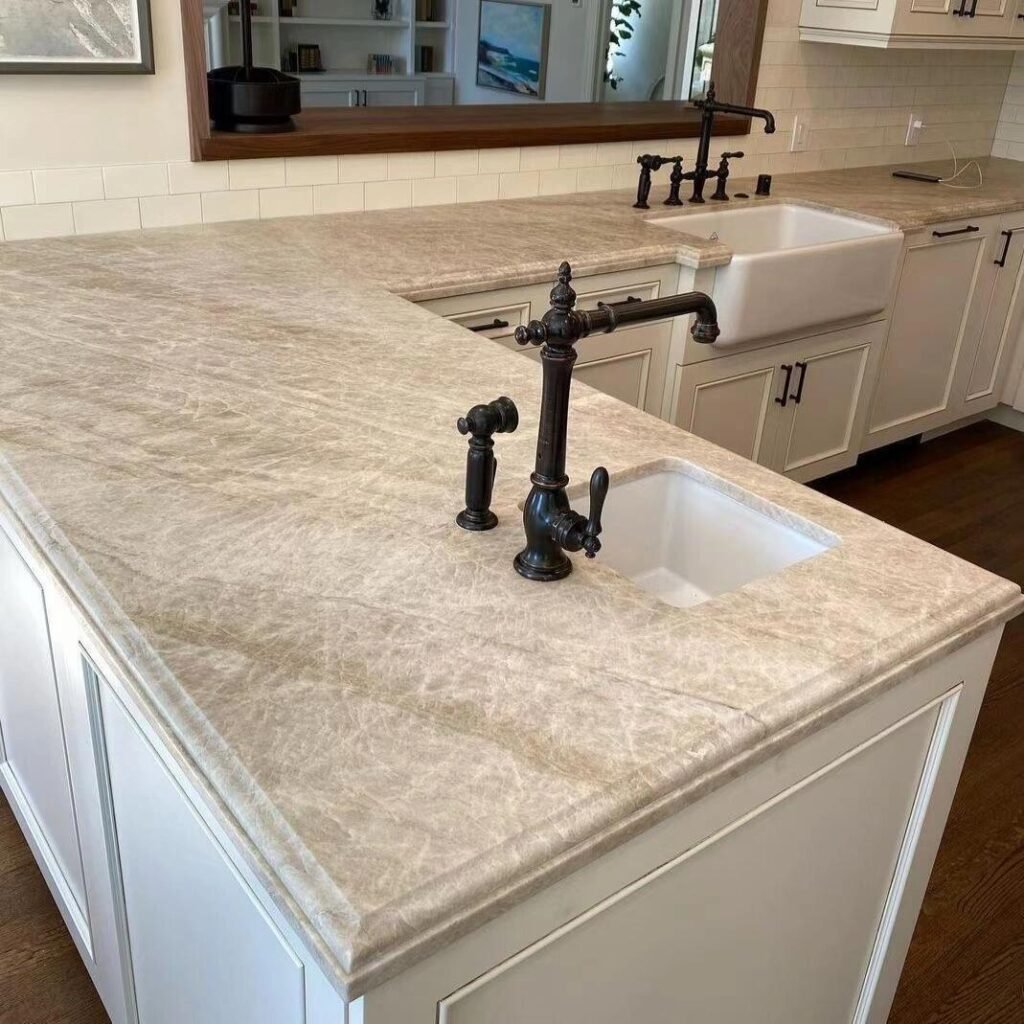
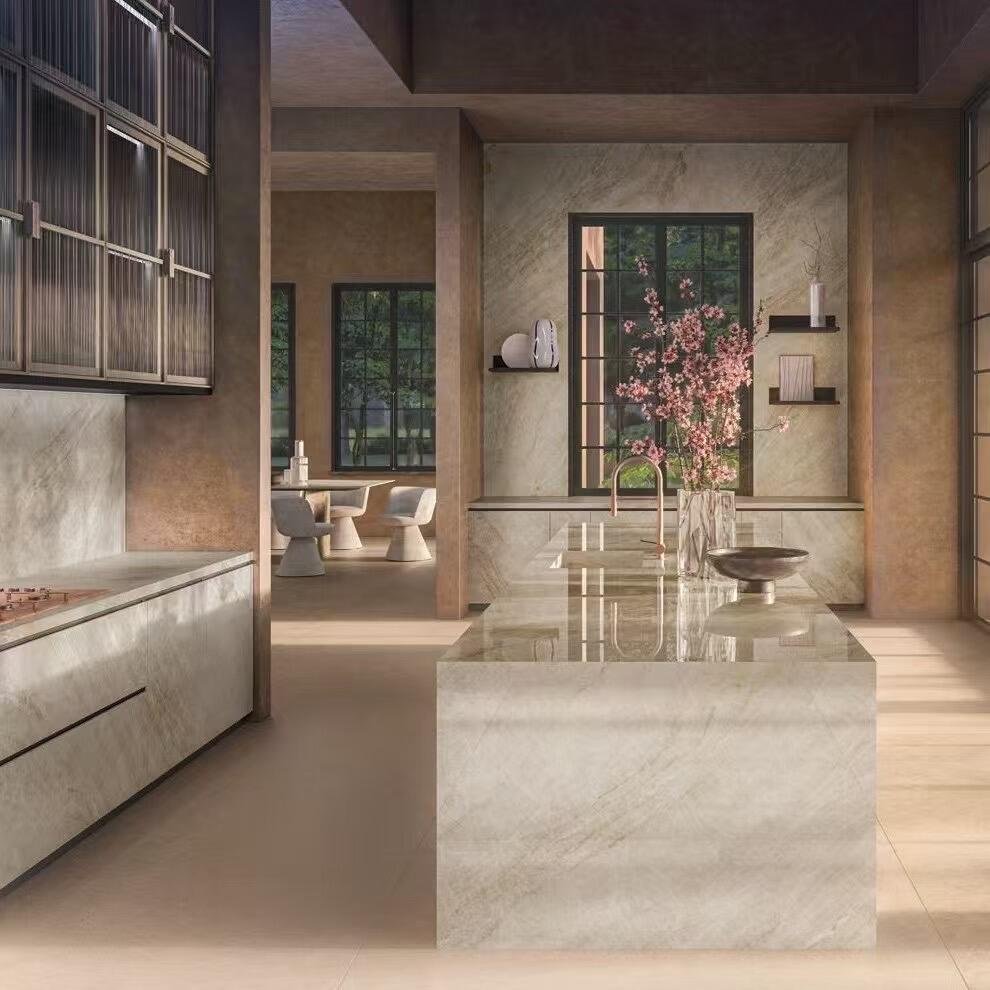
Taj Mahal quartzite is loved for its neutral beige-cream tone with subtle gold or grey veining. It resembles premium Calacatta or creamy marble, but without the fragility. Available in polished, honed, and leathered finishes, it is versatile across styles—Scandinavian, Transitional, Modern Luxury, Farmhouse, and Hospitality interiors.
Scratch Resistance: The Science Behind It
Mohs Hardness Ranking — Why Quartzite Wins?
On the Mohs Hardness Scale, materials are ranked from 1 (soft) to 10 (diamond). Taj Mahal quartzite sits at around 7, outperforming:
| Material | Mohs Hardness | Scratch Resistance |
|---|---|---|
| Marble | 3–4 | Low |
| Limestone | 3–4 | Low |
| Engineered Quartz | 6–7 | Medium–High |
| Taj Mahal Quartzite | 7+ | Very High |
| Granite | 6–7 | High |
| Diamond | 10 | Extreme |
This means ordinary kitchen utensils cannot easily scratch Taj Mahal quartzite, making it an ideal surface for cooks who prefer direct food prep without maintenance anxiety.
Abrasion & Wear Tests
Laboratory abrasion tests show quartzite maintains surface integrity even after prolonged friction contact. Because of its granular interlocking mineral structure, scratching tends to mark the object used rather than the stone itself.
Real-World Proof: Kitchen Scenario
Drag a metal pan, a coffee machine, or even slide a ceramic dish—Taj Mahal quartzite typically leaves no visible marks. In busy households or commercial bars, this performance quickly translates to reduced refinishing, lower maintenance cycles, and higher investment value.

Why Taj Mahal Quartzite Is Superior to Marble?
Marble symbolizes luxury, but daily use rapidly reveals its weaknesses. Acidic foods like lemon or tomato cause etching; knives leave lines; even jewelry and belt buckles may leave micro-scratches. Taj Mahal quartzite avoids these issues because silica resists both chemical and mechanical wear.
Maintenance Comparison
| Feature | Marble | Taj Mahal Quartzite |
|---|---|---|
| Scratch Resistance | Low | High |
| Etch Resistance | Low | High |
| Heat Resistance | Medium | High |
| Sealing Required | Often | Annually or less |
| Real-World Lifespan | 5–10 years | 20+ years |
Taj Mahal combines the look of marble with the performance of granite, solving the industry’s biggest consumer complaint: beauty without durability trade-offs.
Applications & Design Recommendations
Kitchen Countertops & Waterfall Islands
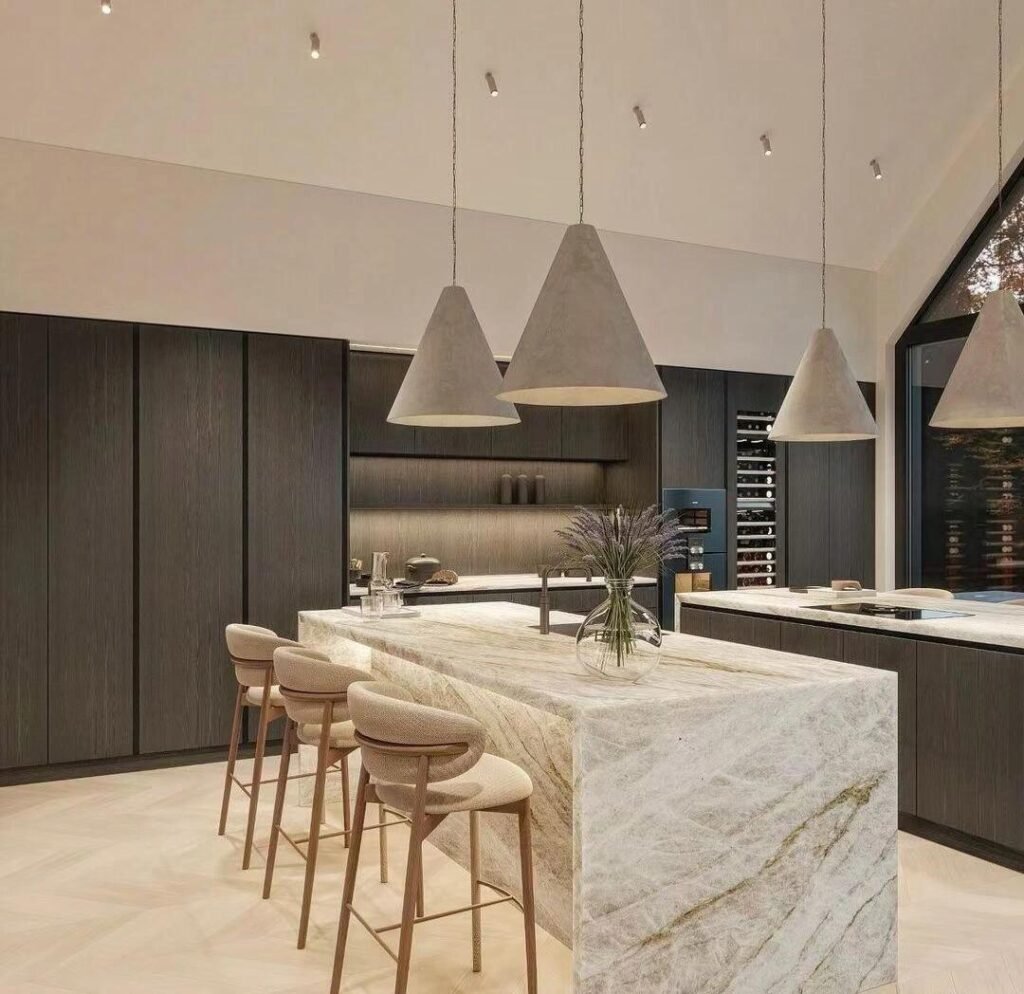
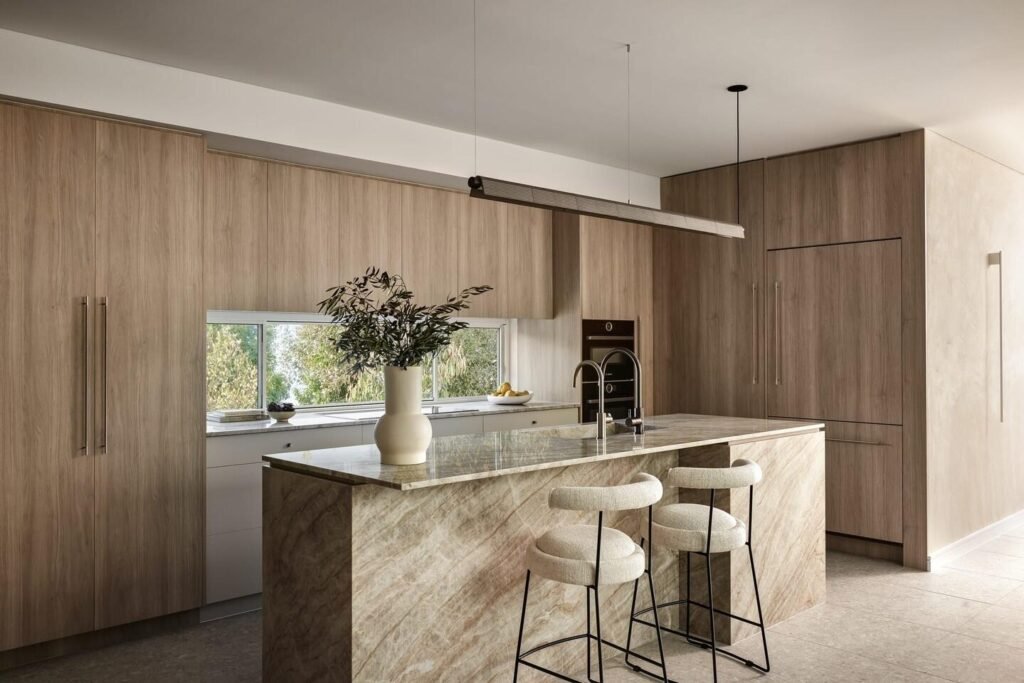
Taj Mahal quartzite is ideal for high-traffic kitchens, especially in homes that cook often. Its natural tones pair beautifully with white, Alabaster, cloud-cream, greige, and warm wood cabinetry. Waterfall edges create a continuous flow of veining, enhancing luxury perception.
Bathroom & Vanity Surfaces
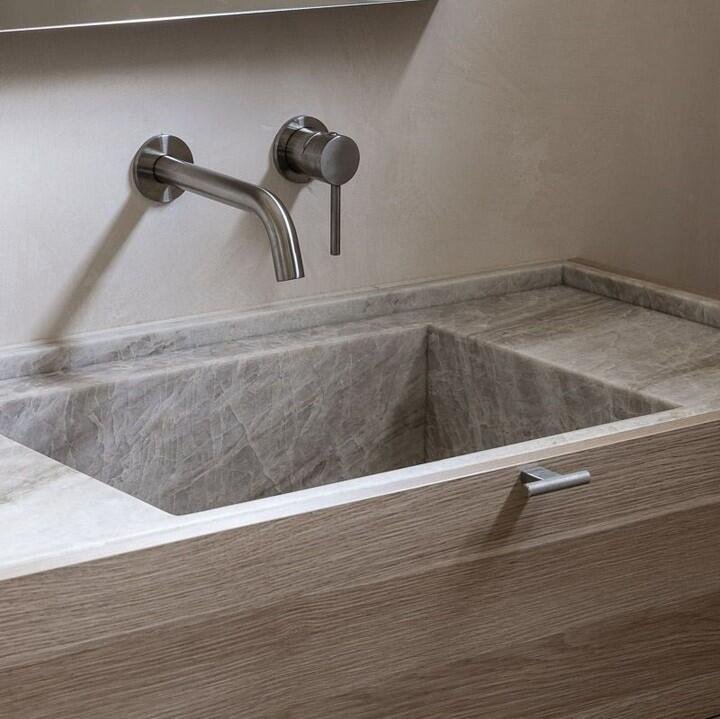
The stone handles daily wear, moisturizers, and heat from styling tools better than marble. Proper sealing prevents moisture absorption.
Commercial & Hospitality
Hotels, restaurants, cafes, and reception desks prefer this stone due to its low maintenance and scratch resilience, reducing long-term refurbishment costs.
What Paint Colors Go With Taj Mahal Quartzite?
Recommended palette examples:
Sherwin-Williams Alabaster White
Benjamin Moore Pale Oak
Soft Greige, Warm Sand, Clay Beige
Black or Deep Navy Accents for modern contrast
Fabrication & Installation Guide
Cutting & Edge Finishing
Due to its hardness, Taj Mahal quartzite requires diamond blades and experienced fabricators. This ensures clean edgework without micro-chipping.
Seaming Considerations
Use book-match layout when possible. Align vein flow to maintain visual harmony, especially in waterfall islands.
Finish & Scratch Visibility
Polished: reflective, elegant, hides minor marks
Honed: soft matte, hides light scratches well
Leathered: textured touch, most forgiving for abrasion
Cost, Slab Size & Buyer Value
Taj Mahal Quartzite Price per Square Foot
Pricing varies by slab size, quarry origin, finish, and availability. While sometimes perceived as expensive, its lifetime durability lowers total ownership cost significantly.
Estimated cost reference range:
Material: Mid-high tier natural stone
Installed price per sq ft: Commonly higher than standard granite but lower than top marbles
Wholesale & Factory-Level Keywords for Commercial Purchase
Buy Taj Mahal quartzite slab wholesale manufacturer
Taj Mahal quartzite price per square foot, factory direct
Taj Mahal quartzite supplier near me
Bulk order Taj Mahal slabs for projects
Leathered Taj Mahal quartzite wholesale
Sustainability & Regulatory Trends 2025-2030
With the push toward long-life building materials, Taj Mahal quartzite stands out. Natural hardness reduces replacement waste. In green procurement guidelines, durable natural stones are viewed as low replacement frequency materials, aligning with sustainability metrics and future LEED-type frameworks.
Case Studies
Residential Example
A family kitchen used polished Taj Mahal quartzite for counters and a waterfall island. After 3 years of daily chopping, baking pans sliding across surfaces, and occasional spills, the surface remains nearly new, needing only routine wiping and minimal annual sealing.
Commercial Hotel Bar Project
Taj Mahal quartzite installed at a hotel bar counter experienced heavy traffic, glass scraping, and luggage pull impacts. The stone showed minimal abrasion after 18 months—highlighting excellent ROI.
FAQ Section
Is Taj Mahal quartzite scratch-resistant?
Yes. With a Mohs hardness of around 7, Taj Mahal quartzite is highly resistant to daily abrasion from utensils, sliding appliances, and cookware. Unlike marble, which scratches easily, quartzite maintains polish longer and is ideal for busy kitchens.Is Taj Mahal quartzite outdated?
No. It remains one of the most installed neutral quartzites globally due to timeless color, durability, and compatibility with modern minimalist interiors.How much do Taj Mahal quartzite countertops cost?
Project cost varies by slab grade, thickness, finish, and fabrication. While the material price may be higher than granite, its long-term durability results in lower lifetime cost.What paint colors work best with Taj Mahal quartzite?
Alabaster white, warm greige, pale oak, and navy accents complement Taj Mahal beautifully. Cabinets in white or light cream achieve an upscale neutral aesthetic.Where can I buy Taj Mahal quartzite slabs wholesale?
Contact manufacturers, factories, or wholesale suppliers. Look for full slab photos, TDS reports, Mohs hardness verification, and finishing options before purchasing.
Why Taj Mahal Quartzite is the Ultimate Scratch-Resistant Surface
Taj Mahal quartzite is not just a countertop—it’s a long-term investment in durability, sustainability, and visual harmony. Its Mohs 7 hardness places it above engineered quartz and dramatically above marble in wear performance. Scratch resistance is structural, not surface-deep, meaning beauty persists without intensive maintenance. For designers choosing long-life materials in 2025–2030, quartzite aligns with environmental lifecycle policy shifts favoring durable natural stone. Whether paired with Alabaster cabinets, executed as a waterfall island, or installed in hotels where friction is constant, Taj Mahal delivers function with timeless elegance. Homeowners seeking premium value and professionals managing commercial durability budgets can confidently select Taj Mahal quartzite as a top-tier solution.