Why edge chipping matters — impact, market & ROI?
Countertop edge chipping is more than a cosmetic problem — it causes callbacks, repair costs, and brand damage for fabricators and suppliers. With the global countertops market estimated at roughly USD 148.3 billion (2024) and continued growth into the 2030s, reducing on-site failures is a high-ROI investment for manufacturers and installation teams.
Small chips frequently lead homeowners to seek professional repairs; consumer repair costs typically fall between ~$211–$543, depending on material and damage severity, which quickly exceeds the cost of proper protection at manufacture/installation.
What causes countertop edge chipping? (short technical primer)
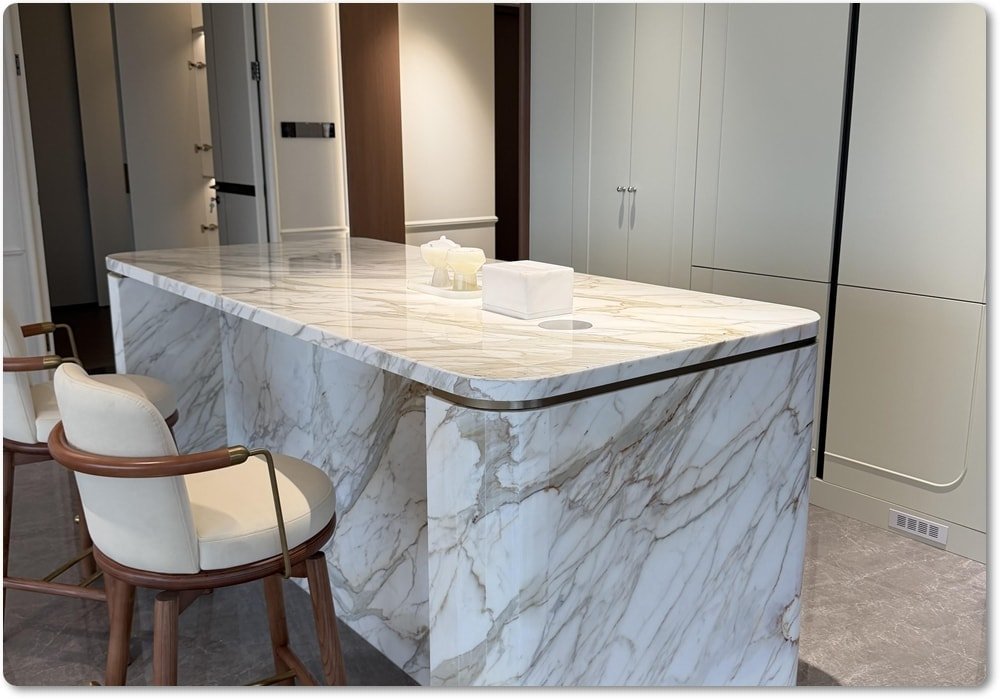
Edge geometry — sharp square edges concentrate impact energy and are most prone to chipping. Eased or rounded edges disperse impact forces.
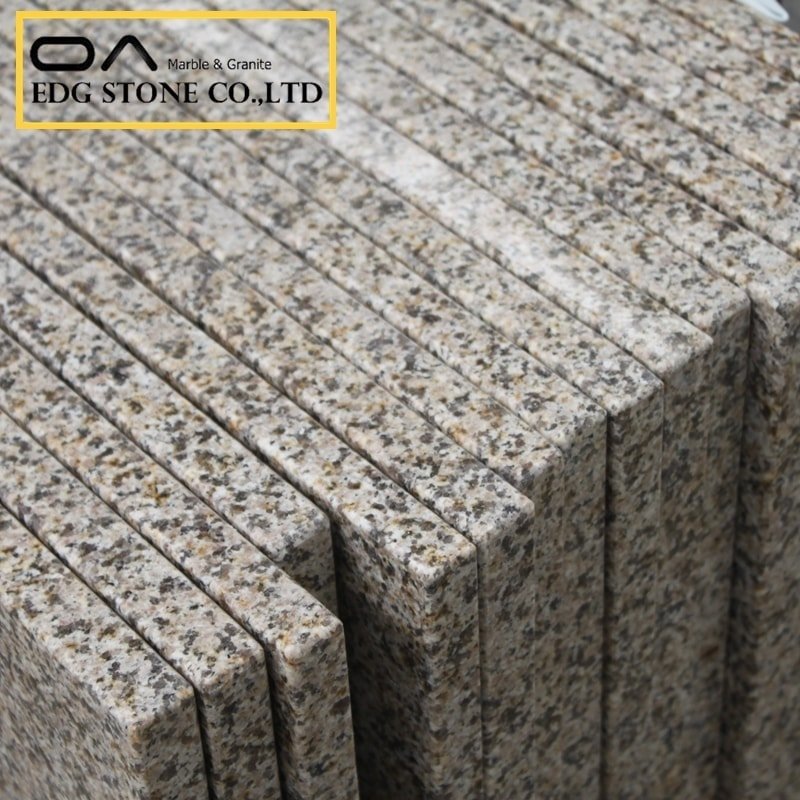
Material anisotropy & flaws — natural stone has veins, fissures, and micro-defects; engineered stone can have resin-rich regions that behave differently on impact. Industry design manuals call out subsurface reinforcement and edge finishing to mitigate these risks.
Support & overhangs — unsupported spans or cantilevers amplify flex and stress at edges; guidance and shop drawings commonly require support for large overhangs.
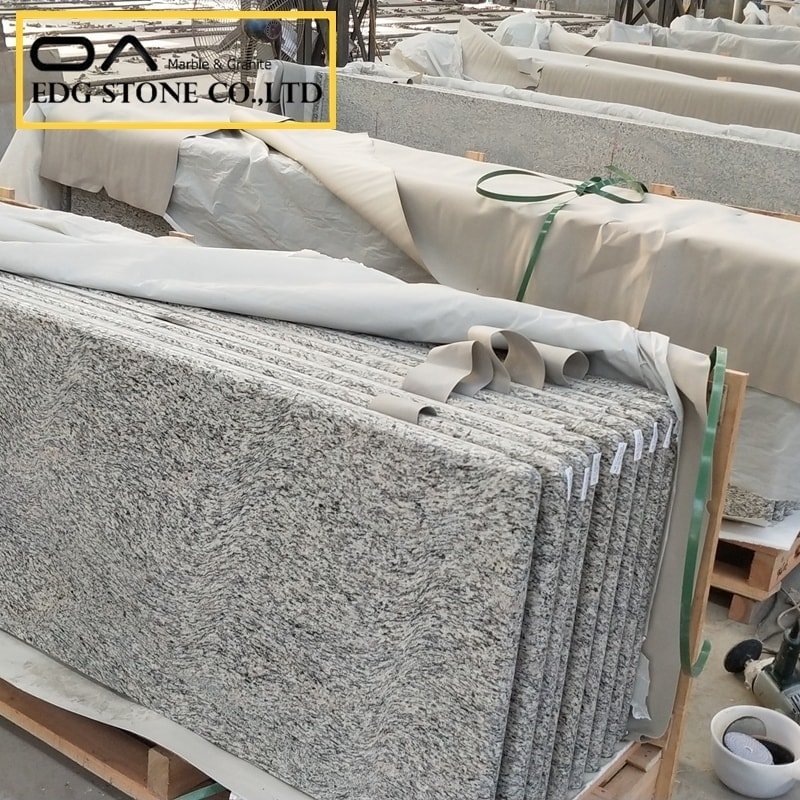
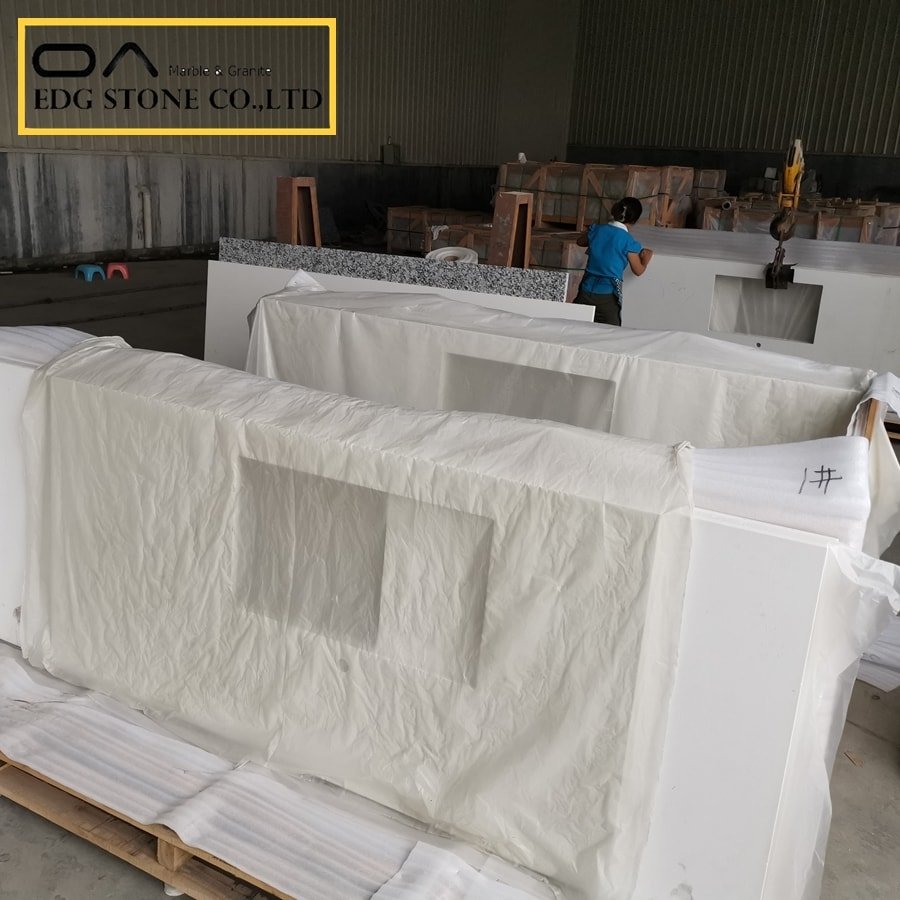
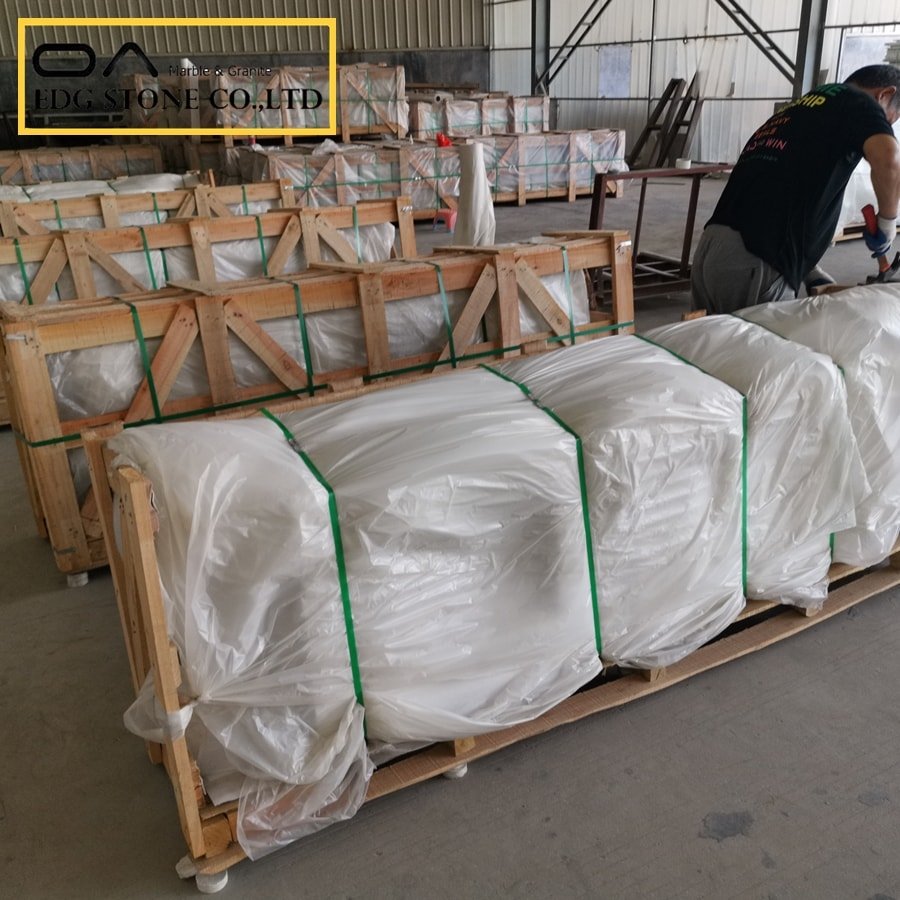
Handling and shipping — edge knocks during transport are common; temporary transit protection and permanent edge reinforcement both matter.
Professional anti-chipping strategies (materials + methods)
Below are the industry-grade tactics you can implement at the material, fabrication, transport, and installation stages. Where useful, I note typical suppliers or product classes.
1) Edge design: choose chip-resistant profiles early
Eased (soft square) edges — minimal rounding (~1–2 mm radius) that preserves the look but dramatically reduces chip risk; often recommended for family kitchens.
Bullnose / half-bullnose — fully rounded edges reduce impact concentration but change the style. For heavy-use islands, consider a rounder profile for safety.
Practical spec: default to an eased edge for 2 cm and 3 cm slabs where chips are a concern. Include the chosen radius in the work order (e.g., “Eased edge — 1.5 mm radius”).
2) Structural reinforcement (the single most effective technical step)
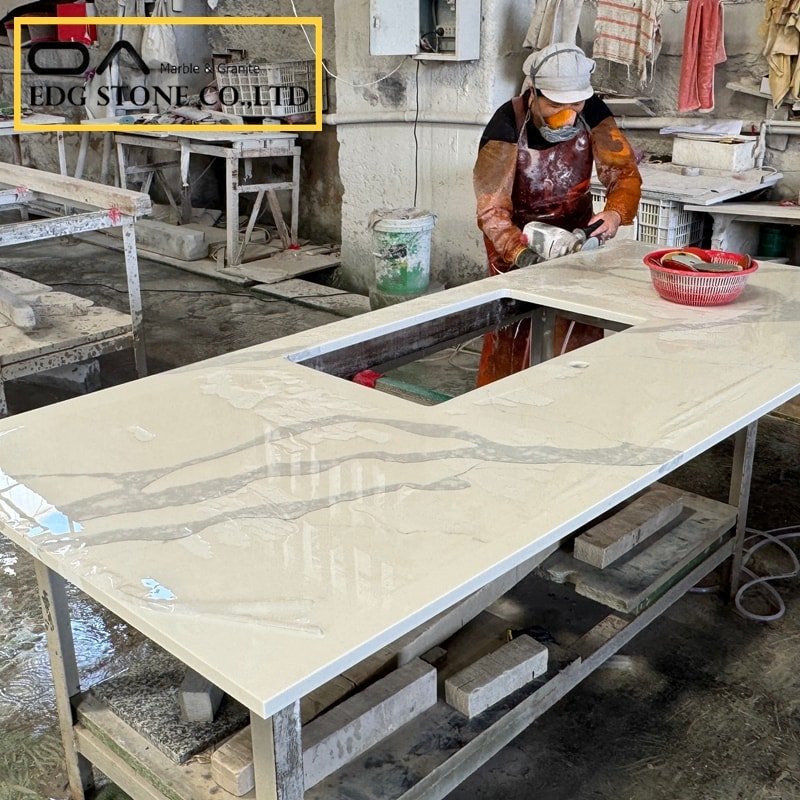
Fiberglass or carbon-fiber rodding — rods embedded in epoxy under the slab at edges and critical spans add tensile strength without rust risk; commonly used by fabricators for fragile or heavy slabs. Carbon fiber delivers the highest strength-to-weight ratio; fiberglass is cost-effective and non-corrosive.
Steel / stainless rodding (encased) — used historically; must be fully encapsulated in epoxy to prevent corrosion.
Fiberglass mesh + epoxy backfill — a back-side mesh with epoxy increases resistance to flex and point loads.
Practical spec: For islands >12″ unsupported, specify rodding (e.g., “Fiberglass rodding 1/8” at 6” centers under mitered edge, epoxy fill per manufacturer”).
3) Edge assembly techniques (fabrication stage)
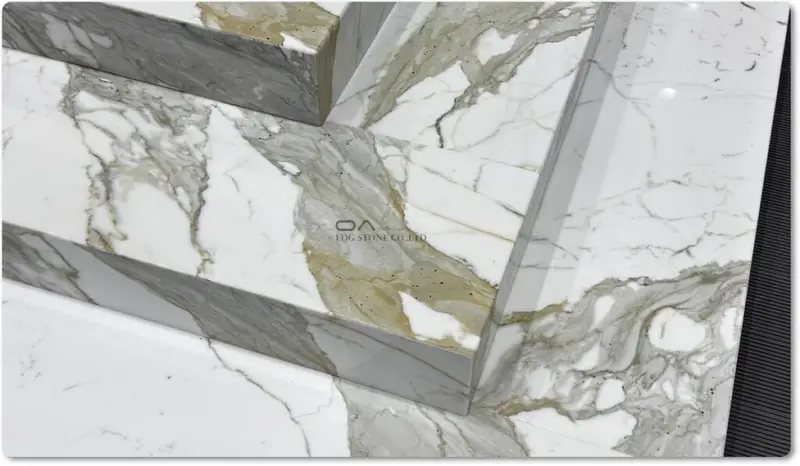
Mitered thickened edges — mitered 45° joints produce a visible full-thickness edge while allowing internal reinforcement; quality control of adhesives and fit is essential.
Laminated edges / applied edge banding for engineered materials provide thicker profiles that are less likely to chip than raw, square-cut slab ends.
4) Protective trims & guards (product-level solutions)
Permanent metal trims (aluminum/stainless L-trim) — used where a decorative metal reveal is acceptable; protects edge from repeated impacts. (B2B sourcing: manufacturer/factory channels on Alibaba and specialist suppliers.)
Transparent silicone/PVC corner guards & edge bumpers — consumer safety products (clear bumpers, foam rolls) used for child safety and temporary protection; many retail SKUs exist at major retailers. When used in kid-sensitive homes, they must meet chemical safety rules (see regulatory section).
5) Repair-first design: epoxy color-matched repair points
Plan for repairability — define discreet repair zones and use color-matchable epoxy blends so any future chip is quick to restore to OEM appearance. Professional repair workflows use gel epoxy fillers, sanding, and polishing to blend.
Materials checklist (quick reference)
Rodding: fiberglass rodding, carbon-fiber rodding, or stainless (encapsulated).
Adhesives/Epoxies: two-part epoxy for bonding, rodding, and miter seams; gel epoxy for chip repairs.
Edge trims: aluminum L-profiles, stainless strips, vinyl/PVC L-trim (factory/wholesale channels).
Protection for transit: foam corner blocks, plywood saddles, temporary edge caps, and adhesive foam rolls.
Regulations & safety trends affecting edge protection (what to watch)
Chemical safety for child-facing protectors — clear corner guards and soft bumpers are often marketed for children. In the EU, REACH restricts several phthalates in articles (and expanded scope beyond toys), and the U.S. CPSC enforces phthalate limits for children’s products (16 C.F.R. part 1307). Manufacturers offering “baby-safe” edge guards must test and certify compliance.
Industry best-practice design manuals — the Natural Stone Institute’s Dimension Stone Design Manual (and companion technical modules) is the authoritative reference used by fabricators and specifiers; it addresses edge profiles, allowable spans, reinforcements, and shop drawing standards. Specify compliance with these documents in contracts.
Sustainability & material disclosure — buyers increasingly request product disclosure (resin content, VOCs, recycled content). Suppliers that can document safe additives in PVC/Silicone edge products and show rodding materials’ lifecycle advantages will win contracts. (See global regulatory momentum around additives such as phthalates.)
How to spec an anti-chipping package (template language for bids)
Example short spec (copy/paste into quote or shop order):
Countertop edge protection package — Quartz/Granite/Marble slab.
Edge profile: Eased edge (1.5 mm radius) unless otherwise noted.
Reinforcement: Fiberglass rodding (1/8″) placed under mitered and island edges, centered at 6″ on-center, encapsulated in two-part epoxy.
Miter joints tolerances: ±0.5 mm; adhesives: structural epoxy per manufacturer.
Transit protection: foam corner blocks + self-adhesive protective strips for exposed edges during shipping.
Child-safety guards (if ordered): silicone/PVC adhesive corner bumpers — test certificate for phthalates (CPSC/REACH compliance) to be provided.
Documentation: Provide shop drawings and Natural Stone Institute compliance affidavit if requested.
Installation & QA checklist (on-site)
Visual edge inspection pre-install (no hairline fissures at edge).
Confirm rodding presence & epoxy cure before transport.
Support checks: no overhang >10″ unsupported without corbels or brackets. (Design manual guidance.)
On-site final fastening with isolation pads; leave temporary edge guards in place until cabinet hardware and appliances are installed.
Quick case study (realistic, anonymized)
A mid-sized fabricator reduced on-site chip callbacks by ~72% over 12 months after standardizing (1) eased edges on family projects, (2) fiberglass rodding on islands >12″, and (3) mandatory transit foam saddles. The ROI: small material & labor carry-cost per job but large savings in call-backs, repairs, and customer-service hours. (Internal KPI; illustrative of common industry results — reinforcement and edge design combine to deliver the most reliable outcome.)
Long-tail keywords suggestions (3–5 examples you can use to target buyer intent)
Quartz Countertop Edge Protector manufacturer
Granite countertop edge protector wholesale supplier
Countertop corner guards factory bulk for installers
Kitchen island edge protector for kids certified phthalate-free
Laminate countertop edge protector self-edge supplier factory
FAQs — common Google hot search questions
What is the best way to prevent chips on quartz countertop edges?
Use an eased edge profile, embed fiberglass or carbon rodding under critical spans, and use proper handling/transport protection; if kids are present, add clear silicone corner bumpers certified for phthalates.Can you add edge protection after installation?
Yes — you can add external trims, silicone bumpers, or metal L-profiles; structural reinforcement (rodding) requires shop or pre-install work for best results.What is an eased edge on a countertop?
An eased edge is a square edge with a very small radius (slightly rounded) that decreases sharpness and reduces chip risk while keeping a clean look.Are corner guards safe for babies — any regulations?
Child-facing corner guards must meet chemical safety regulations; in the U.S., phthalate limits are enforced by the CPSC for children’s products, and the EU REACH rules restrict certain phthalates in childcare articles. Request test certificates.How much does fixing a small chip cost vs. preventing it?
Typical small countertop repairs run $200–$500, depending on material, often more than the incremental cost of proper reinforcement and protective trims.