
Why (Purpose): Monuments celebrate identity and historical achievements; memorials preserve memory and enable mourning.
How (Materials & Manufacture): Common materials are **granite** and **marble** for stones, with bronze or engineered composites for plaques and sculptures. Modern production involves quarrying, CNC shaping, polishing, sandblasting, and laser etching; many wholesale suppliers and factories (notably in China) serve global markets.
Where (Use Cases): Cemeteries, public squares, national parks, historic sites, and private memorial gardens.
Trend Snapshot: Sustainability certifications, traceability from quarry to finished product, and online factory-direct purchasing (wholesale granite monuments/granite monument factory China) are growing buyer signals in 2024–2025.
1. Short, practical definitions (the core distinction)
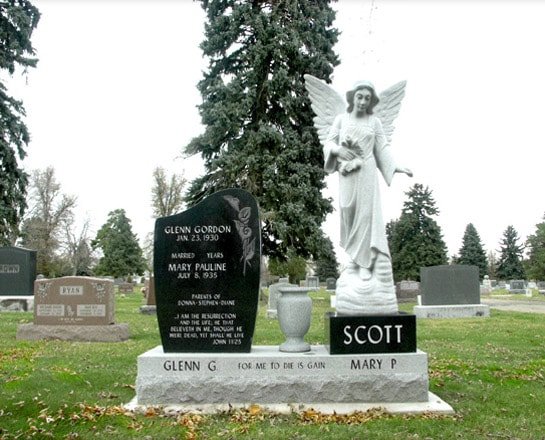
Monument: A constructed structure—often large or permanent—designed to celebrate, honor, or mark a person, event, historic moment, or achievement. Examples: obelisks, statues, national monuments, monumental tombs.
Memorial: A structure, site, plaque, or installation primarily intended for remembrance and reflection—to honor the memory of people and events, especially tragic or solemn ones. Examples: commemorative walls, cemetery headstones, small remembrance gardens.
In practice, the terms overlap. A single artifact can be both a monument and a memorial (for instance, national memorials that are also monumental in scale). But remembering the emphasis—celebration for monuments versus remembrance/reflection for memorials—helps guide design, funding, and regulatory choices.
2. Historical context: how usage diverged
Historically, large monuments (pyramids, triumphal arches, statues) celebrated rulers, victories, and civic pride. Memorial practices — markers, epitaphs, family tombs — were often domestic or religious, oriented toward remembrance. Over the last two centuries, public memorials (war memorials, monuments to civil rights) and municipal monuments blurred the line, producing works that both commemorate and celebrate civic narratives. This duality affects design language, siting, and materials.
3. Materials & durability: granite, marble, and modern alternatives
Material is often where purchase decisions are made—especially when families, municipalities, or wholesale buyers evaluate cost, longevity, and appearance.
Granite
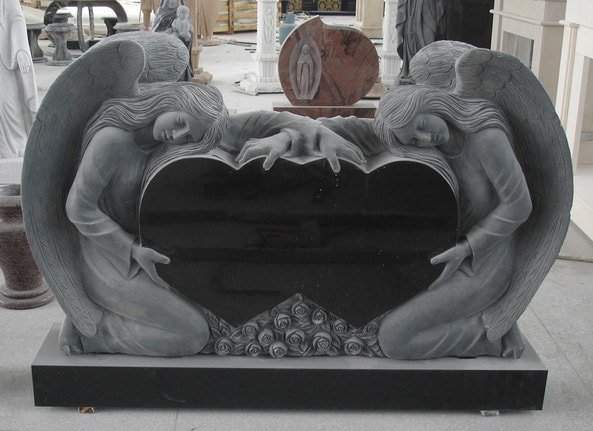
Benefits: Hard, durable, weather-resistant, low maintenance; excellent for deep engraving and laser-etched portraiture (black granite is ideal for photographic etching). Shows minimal erosion over centuries. Modern CNC and laser processes enable detailed customization.
Price & market: Granite headstones commonly range widely depending on size and finish; wholesale slab and factory prices vary greatly—China factory listings show FOB estimates that can substantially lower unit costs for bulk buyers.
Marble
Benefits: Classic, elegant veining and fine sculptural quality. Historically favored for statuary and decorative memorial features.
Drawbacks: Softer than granite; more susceptible to acid rain and weathering; requires more conservation if used outdoors. Current price guides show standard marble headstones often costing more than basic granite options for equivalent sizes due to carving and finish.
Bronze, engineered stone & composites
Bronze plaques are standard for many public memorials. Engineered stone and composites are emerging as sustainable, lower-weight alternatives in specific contexts (e.g., accessible plaques, indoor memorials).
4. How monuments and memorials are made: quarry to installation?
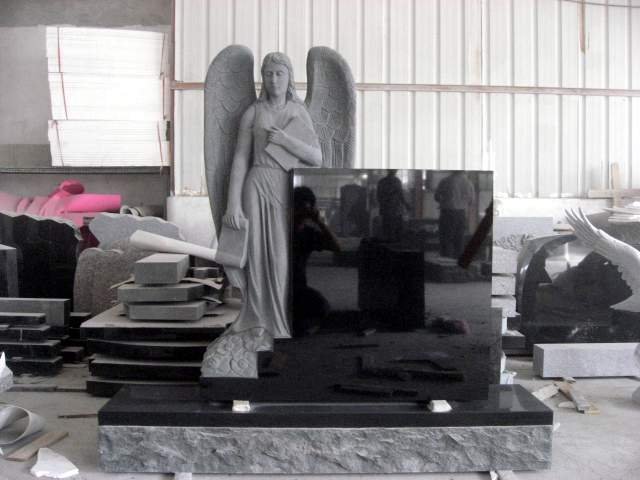
Typical supply chain and manufacturing steps:
Quarry selection & block extraction — identifying appropriate stone (quarry sourcing often informs color and grain). Sustainability practices (water recycling, dust control) are becoming common in larger quarries.
Slabbing & cutting — diamond wire saws and gang saws cut blocks into slabs.
CNC shaping & carving — computer-controlled routers and cutters produce precise shapes for monuments and base stones.
Polishing & finishing — mechanical polishing prepares surfaces for engraving and coating.
Engraving & laser etching — sandblasting or laser etching create text, portraits and graphics; laser etching is widely used for black granite portraiture.
Quality control & export — factories (including many in China) that process granite for wholesale export apply finishing, crate monuments and ship to importers or cemetery installers. Bulk/wholesale pricing and factory-direct sourcing can lower unit cost for distributors and dealers.
5. Regulations and standards that shape monument & memorial choices (2024–2025)
Regulations come from two main places: cemetery/municipal rules (which govern headstone sizes, materials, and foundations) and national heritage or federal designations (which govern national monuments and protected landscapes).
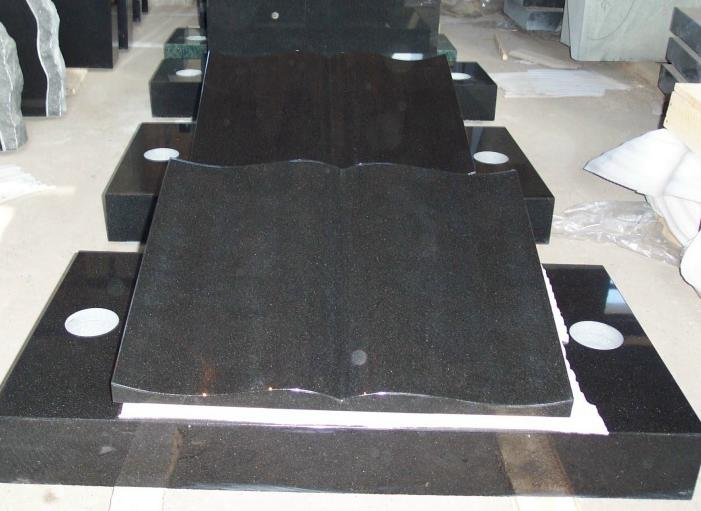
Cemetery rules: Most cemeteries publish rules on permitted materials (granite and bronze standard; wood often disallowed), standard marker sizes, foundation requirements to prevent settlement, and sometimes color or edge rules to facilitate maintenance. These rules directly affect product selection and installation.
Heritage & national monument law: In the U.S., the Antiquities Act (1906) enables the President to designate national monuments that protect historic or scientific objects on federal lands; recent legal and political debates have focused on the scope of presidential authority to create or abolish monument designations — affecting how large-scale landscapes receive permanent protection. Those debates can influence funding and public sentiment for monument projects.
Sustainability & traceability pressures: Quarry and factory sustainability reporting (water recycling, emissions control) is increasingly relevant for municipal procurement and larger memorial projects that require documented environmental practices. Large materials suppliers and quarry operators publish sustainability reports as evidence of responsible sourcing.
6. Pricing reality & buying guide (tombstone buying guide)
Price ranges vary by material, design complexity, region, and whether you buy retail or wholesale.
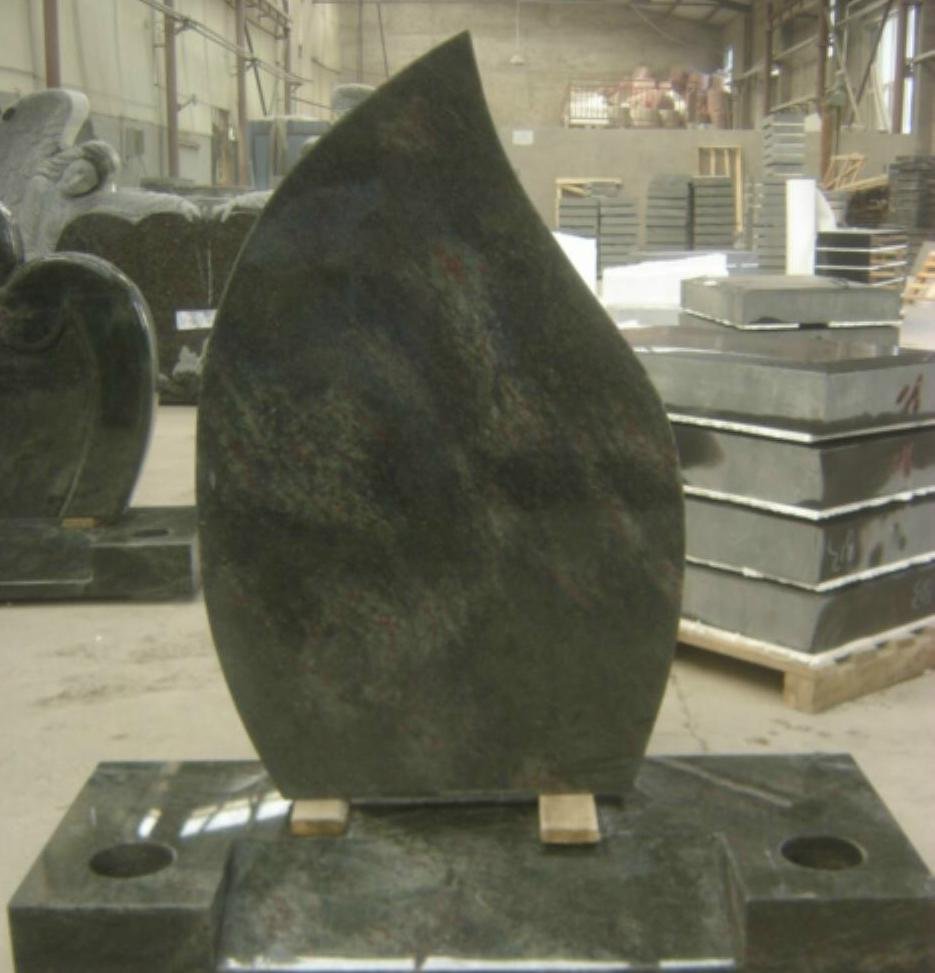
Typical retail ranges (2024–2025): Single upright granite headstones commonly fall within several hundred to a few thousand USD; more ornate monuments and custom marble sculptures can run into five figures. Industry pricing guides and supplier pages indicate typical headstone/monument ranges and point to factory wholesale as a lower-cost option for bulk buyers.
Wholesale & factory sourcing: For dealers and distributors, ordering from a granite monument factory in China or other quarry regions can reduce per-unit costs significantly, but requires care on quality, lead time, and compliance with cemetery foundation standards. Listings for wholesale granite monuments and factory headstones show FOB pricing that can be competitive for bulk orders.
Buying checklist:
Confirm cemetery size/material rules and required foundation specs.
Decide material by priority—durability (granite) vs. sculptural detail (marble).
Request factory or supplier QC photos & finish samples if buying wholesale.
Confirm engraving method (sandblast vs laser) and ensure legibility longevity.
Factor in installation, foundation, permit fees, and any conservation coatings.
7. Case studies & notable examples
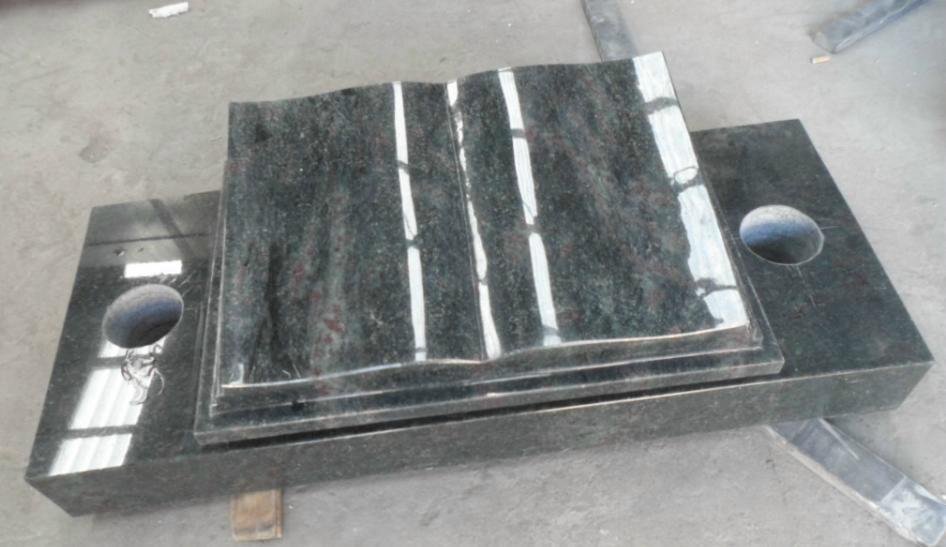
Mount Rushmore (granite): Monumental carving into granite for a national-scale monument—durable stone choice echoing the permanence monuments aim for.
Vietnam Veterans Memorial (black granite): Designed as a reflective memorial; black granite supports laser-etched names and creates a contemplative space.
Recent national monument actions: New designations and legal opinions in 2024–2025 have kept national monument policy in the news and shaped public debate over landscape protection and permitted land uses. These developments matter for public funding and the cultural framing of monument projects.
8. Sustainability & the future of monument manufacturing
Buyers and public bodies increasingly ask for:
Quarry water recycling and dust mitigation
Traceability of stone origin from quarry to finished product
Low-carbon transport planning for heavy stone shipping
Use of recycled or composite materials where appropriate
Leading materials companies publish sustainability reports to meet procurement requirements; municipalities that fund public memorials increasingly demand environmental documentation.
9. Conclusion
Monuments and memorials overlap but differ in emphasis: monuments often celebrate and assert permanence; memorials invite reflection and remembrance. Material choice (granite vs marble) drives durability, price, and suitability; factory and wholesale sourcing, including granite monument factory China, can lower costs for distributors but requires rigorous quality and regulatory checks. Sustainable sourcing and clearer regulatory landscapes through 2025 will continue to shape the industry.
10. FAQ
What is the difference between a monument and a memorial?
A monument is typically a permanent, often public structure celebrating or marking significance; a memorial is designed primarily for remembrance and reflection—though many structures serve both roles.Which material lasts longer: granite or marble?
Granite is generally more durable and weather-resistant than marble and is recommended for outdoor headstones and monuments intended to last centuries.How much do marble headstones cost?
Marble headstones vary, but common retail ranges for standard marble markers are often between $1,000–$4,500, depending on size and customization. Wholesale and factory pricing may reduce costs for bulk purchases.Can I buy wholesale granite monuments from a factory in China?
Yes. Many factories in China offer wholesale granite monuments and headstones with FOB pricing, but buyers should confirm quality control, finish samples, and compliance with cemetery regulations.What regulations affect cemetery monuments in 2025?
Cemetery rules typically set allowed materials, marker sizes, foundation requirements, and sometimes color/edge restraint for maintenance. Additionally, national monument policy debates and sustainability expectations are shaping procurement and public projects in 2024–2025.
Semantic Closure — How/Why/What/Options/Considerations
Why it matters: Material and manufacturing choices determine longevity, maintenance costs, and the memorial’s message (heroic celebration vs quiet remembrance).
What to ask suppliers: Ask about quarry origin, polishing grade, engraving depth, sustainability practices, ISO/QC checks, and lead times for factory orders.
Options: Local stonemasons for small, bespoke memorials; factory-direct wholesale for large cemetery projects and distributors; hybrid solutions (stone + digital QR/AR) for modern memorial experiences.
Considerations: Budget vs permanence tradeoffs, local regulations, cultural appropriateness, and long-term conservation needs—document all specs in purchase orders to avoid disputes at installation.