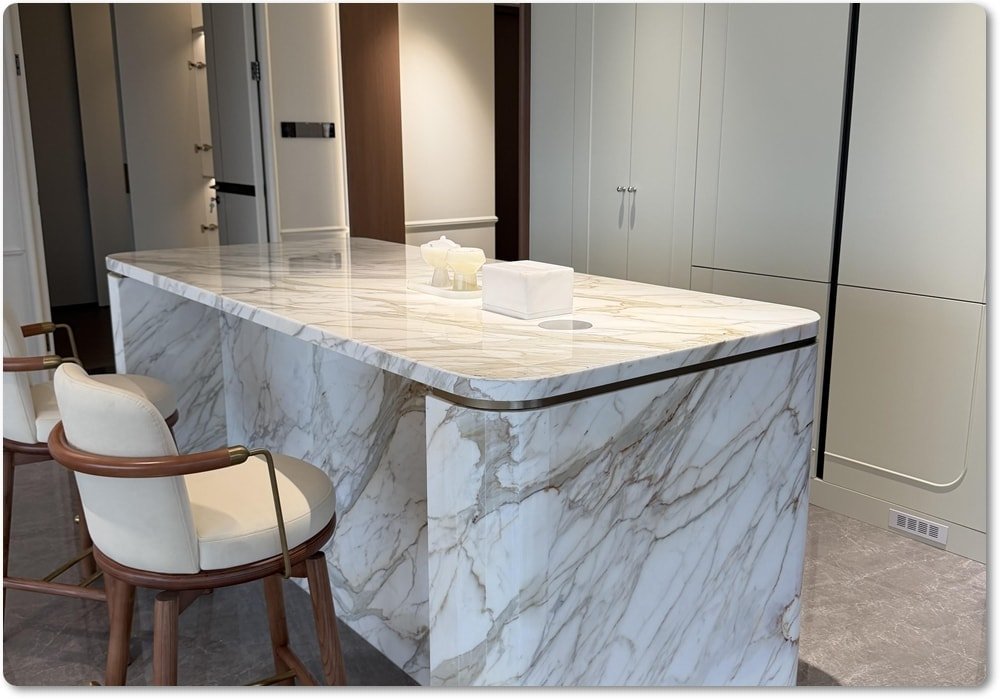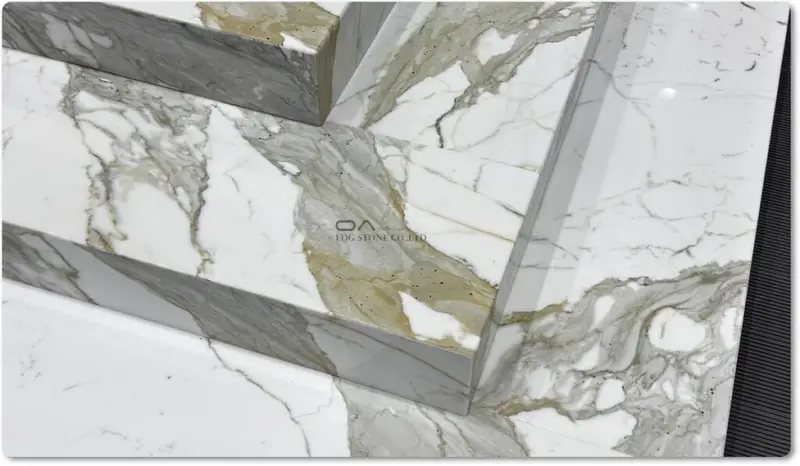
What is sintered stone made of?
What is Sintered Stone Made Of?
Sintered stone (often marketed under brand names like Neolith®, Dekton®, and others) is an engineered inorganic surface produced from a carefully formulated mix of natural mineral raw materials that are compacted and fused without polymer binders. The basic recipe typically includes finely milled stone (quartz, feldspar, and other rock powders), silica/glass, and natural oxides or pigments. The blend is formed into slabs and subjected to very high-pressure and high-temperature sintering that vitrifies the minerals into a single, dense, non-porous mass.
Quick answer (one-line)
Sintered stone = powdered minerals (quartz, feldspar, silica/glass, oxides/pigments) + extreme heat & pressure (sintering) → inorganic, binder-free slab ideal for durable architecture and countertops.
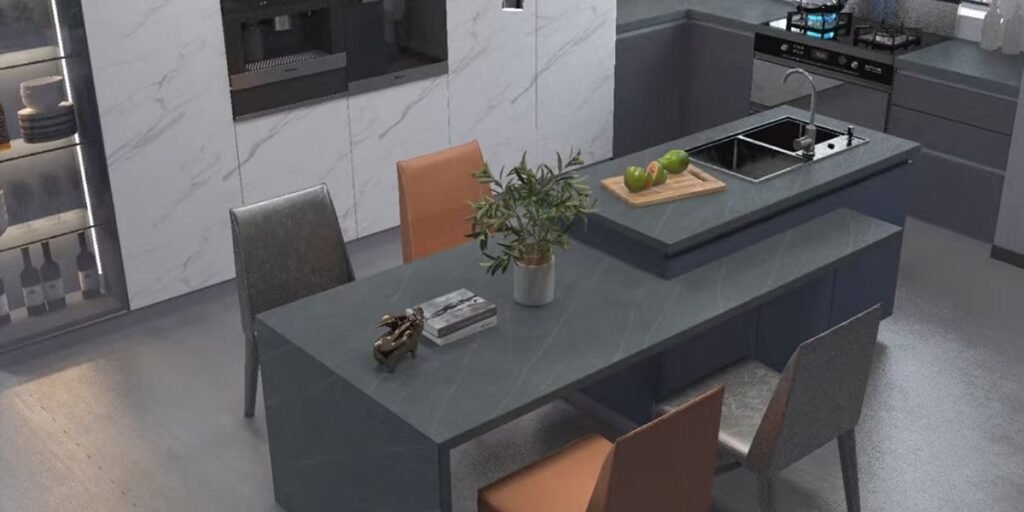
Composition & raw materials (what exactly is inside?)
Sintered stone formulas vary by brand, but the ingredients cluster around:
Quartz and feldspar — provide hardness and natural stone aesthetics.
Silica/glass — helps vitrification and lowers porosity.
Clay and other refractory minerals — tune workability and firing behavior.
Natural oxides and mineral pigments — create colors and veining.
Manufacturers publish EPDs and technical sheets listing “minerals from granite and glass, and natural oxides” as core components, underlining that sintered stone is essentially a manufactured rock. This inorganic makeup is why sintered slabs are non-porous and do not require resin sealants.
Manufacturing process (how the raw mix becomes a slab?)
Although methods vary, the typical stages are:
Raw material selection and milling — minerals and recycled glass are ground to fine powders.
Blending & pigmenting — powders are mixed with pigments, or veins are printed/layered.
Forming & compaction — the powder is laid out into a green slab and compacted under very high pressure.
Sintering/firing (HPHT / TSP / TSP-like technologies) — slabs undergo high-temperature (>1,000–1,200°C) firing and very high pressure to fuse particles (a process sometimes called High-Pressure High-Temperature sintering or Technology of Sintered Particles). The result is a vitrified, ultra-compact surface with no polymer binder. Leading brand tech manuals describe presses in the tens of thousands of tons and precisely controlled firing cycles.
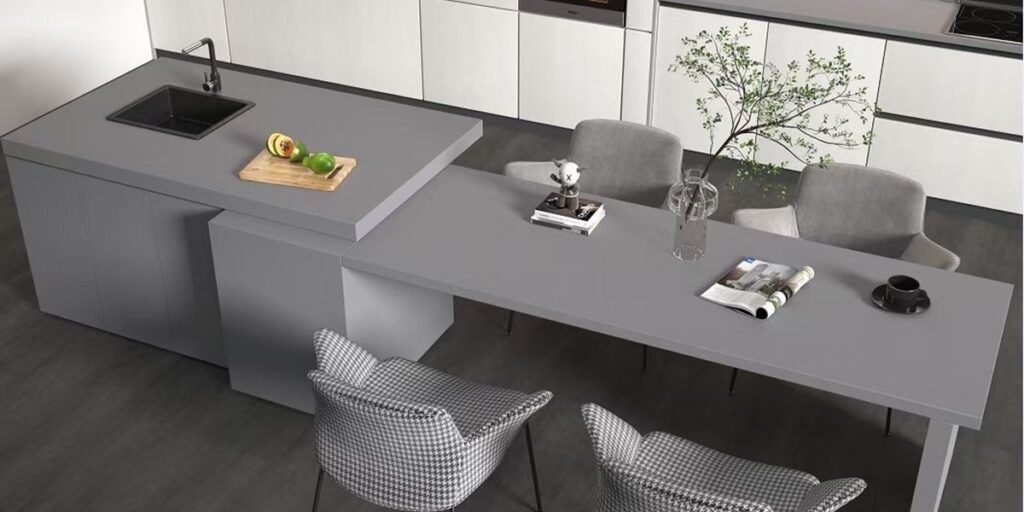
Physical properties: density, thickness & weight
Density / specific gravity: typical sintered stone products report densities around ~2,400–2,700 kg/m³ (comparable to natural stone).
Common thicknesses & weights (examples from major brand data):
3 mm sheet ≈ 7 kg/m² (used for cladding/backsplash).
6 mm ≈ 15 kg/m².
12 mm ≈ 30 kg/m² (countertop/flooring panels).
20 mm ≈ 48–53 kg/m² (heavy-duty countertop slabs).
Because density and finished slab weight depend on thickness and backing, sintered stone is not unusually heavy for a countertop material — a 12mm sintered slab weighs roughly the same as many natural stone thin slabs and is easier to handle in thin formats.
Performance: why people choose sintered stone
Heat resistance: significantly better than resin-based engineered quartz — safe for hot pans and outdoor kitchens.
UV stability: colors and pigments are inorganic, so they resist fading outdoors.
Scratch & stain resistance: vitrified surface greatly reduces porosity and staining.
Hygiene & maintenance: non-porous surface requires no sealing and cleans with mild detergent.
These properties derive from the inorganic, fused mineral structure produced during sintering.
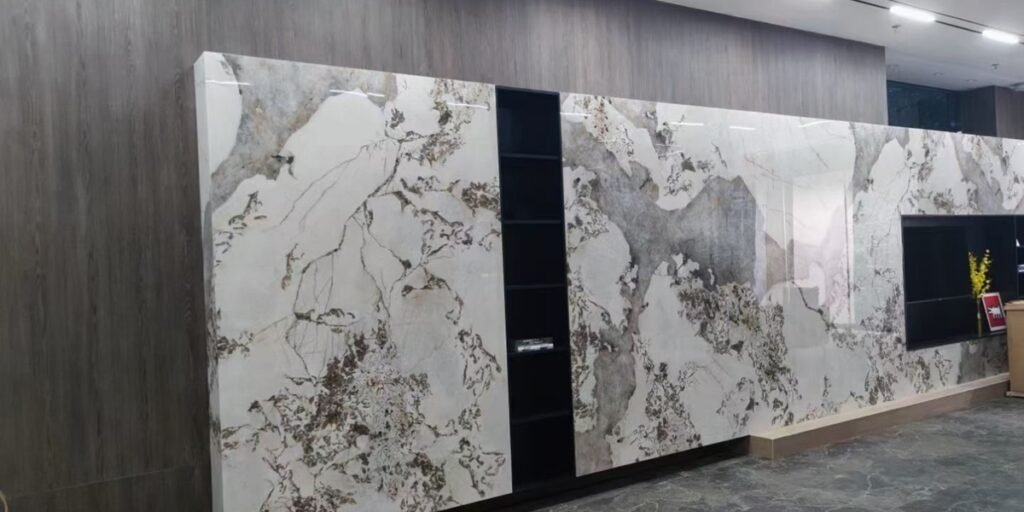
Sintered stone vs. quartz vs. porcelain vs. engineered stone (side-by-side)
Sintered stone
Inorganic, binder-free; made from milled minerals fused by heat & pressure. Heat/UV resistant; many structural uses (counters, facades).
Engineered quartz (quartz countertops)
~90–95% natural quartz plus polymer resin binder; very hard and consistent but less heat-tolerant (resin can burn/discolor). Not ideal for outdoor UV exposure.
Porcelain (large-format porcelain slabs)
Made from clays and mineral mixes, fired to vitrification. Porcelain and sintered stone overlap in some raw materials and processes, but sintered stone recipes and compaction/pressing methods (and brand-level proprietary technologies) differ; brands market these differences as performance distinctions.
Key buying takeaway: if you need outdoor UV stability and high heat resistance, sintered stone (or certain ultra-compact surfaces) outperforms resin-based quartz. For very thin cladding or cost-sensitive projects, porcelain tiles remain a strong option.
Cost & pricing — realistic ranges and causes of variance
Market pricing varies widely by brand, thickness, finish, region, and installation complexity:
Material alone (typical retail): roughly $20–$60 per ft², depending on brand and slab quality.
Installed countertop cost (typical US ranges reported by trade sites): $60–$160+ per ft² (many published guides place popular sintered brands like Dekton/Neolith commonly in the $75–$120/ft² range installed). Pricing skews higher than common quartz brands because of energy-intensive manufacturing and limited experienced fabricators.
When budgeting, always ask vendors to break out material vs fabrication vs installation and confirm edge profiles, seams, cutouts, and freight for large panels.
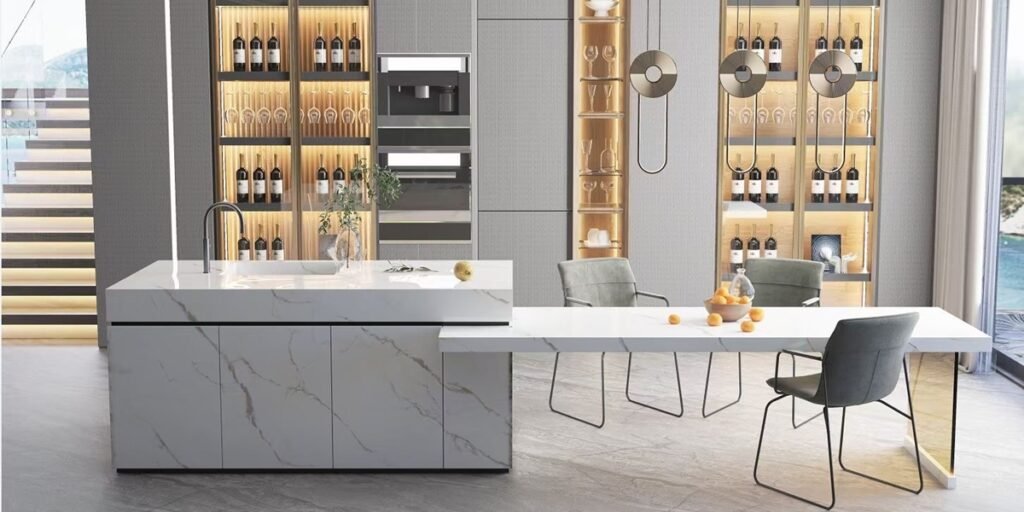
Applications — where sintered stone shines
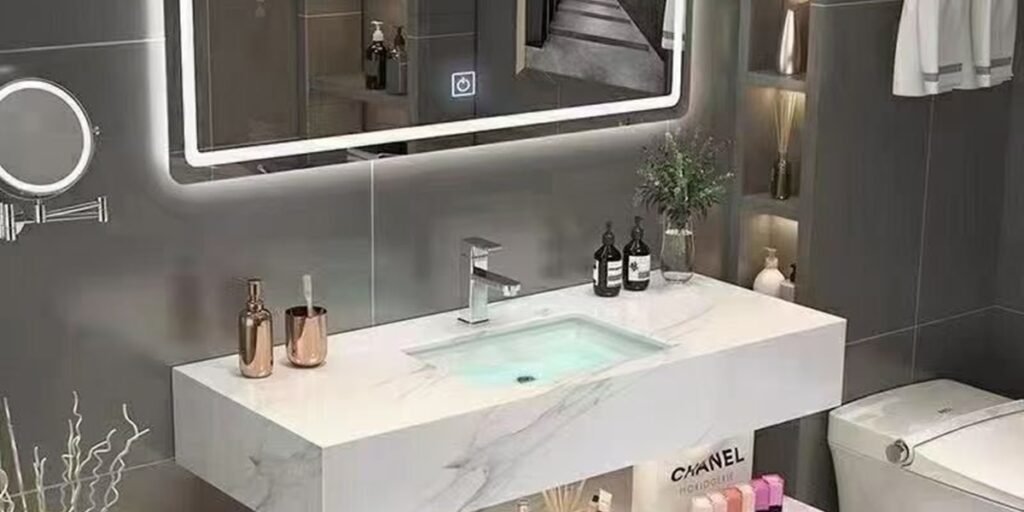
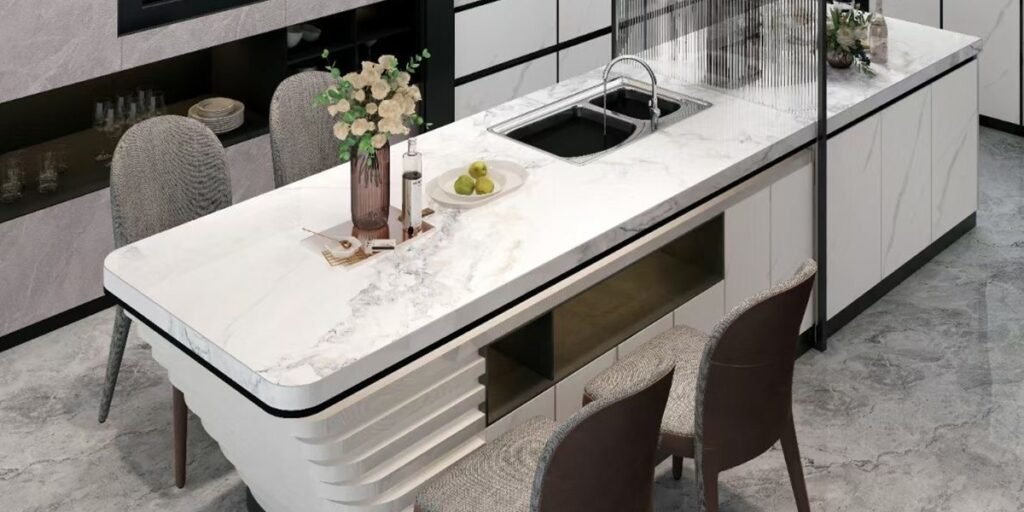
Kitchen & bathroom countertops and islands (heat & stain resistance).
Outdoor kitchens, pool surrounds, and facades (UV and freeze/thaw stability).
Flooring in commercial high-traffic areas (durability, low porosity).
Wall cladding and furniture tops (large format continuous patterns).
Manufacturers explicitly promote use on façades and ventilated systems because of fire classification and A2 fire reaction options in product manuals.
Regulations, safety & industry trends you must know
Respirable crystalline silica rules — Fabrication (cutting, grinding) of sintered slabs releases silica dust. OSHA’s silica standards (construction & general industry) set action levels and PELs and require engineering controls, exposure monitoring, and training. Mine Safety & Health Administration and DOL updates (2024) also tightened limits for miners and quarry operations, lowering permissible exposure to 50 µg/m³ (8-hr TWA) in some contexts. Fabricators must comply with local OSHA/MSHA/NIOSH guidance to protect workers.
Chemical & supply-chain reporting (EU REACH / ECHA) — Silicon dioxide (quartz) and other minerals are registered substances; brands increasingly publish EPDs (Environmental Product Declarations) and compliance documentation to meet tender and spec requirements. Buying decisions are shifting toward suppliers who publish EPD/EPD-like data and transparent lifecycle emissions.
Fabrication certifications & training — Because sintered stone behaves differently than resin quartz, a new wave of certified fabricators and tech-training programs is emerging. Specifiers should require qualified installers and confirm dust controls and certified respirators during on-site cutting and polishing.
Industry direction: regulators and procurement teams are prioritizing worker safety (silica controls) and environmental transparency (EPDs, recycled content), pushing credible manufacturers to publish data and train fabricators.
Buying guide — manufacturer/factory / wholesale considerations (long-tail keywords & commercial intent)
When sourcing sintered stone for commercial or high-volume use, request:
Manufacturer EPD and technical data sheet (density, thermal expansion, fire class).
Factory wholesale pricing and MOQ for repeat projects (ask for slab yield estimations and cut-loss guidance).
Fabrication guide and certified installer network (to reduce breakage & silica exposure).
Warranty, lead times, and logistics for large panels.
Suggested long-tail transactional keywords to use when searching suppliers:
“sintered stone slab manufacturer wholesale”
“Buy Neolith factory direct slab”
“sintered stone supplier near me bulk pricing”
“Dekton distributor commercial wholesale factory”
“sintered stone slab manufacturer EPD certificate”
Maintenance, repair & lifecycle
Everyday cleaning: mild detergent + water (no abrasives or hydrofluoric acid).
Stain removal: most organic stains lift with common degreasers; very aggressive chemicals ( HF ) should be avoided.
Repairs: chips can be filled or professionally repaired, but large edge failures may require slab replacement.
End of life: many manufacturers promote recyclability; check EPD for recycling streams.
Pros & cons (summary)
Pros:
Extremely heat, UV, and scratch resistant; non-porous; great for outdoor use; low maintenance.
Cons:
Higher material & fabrication cost than some alternatives; requires certified fabricators and strict silica controls during cutting; pattern depth may be surface-applied (depends on brand).
3–5 long-tail SEO keyword suggestions (commercial intent)
“sintered stone slab wholesale manufacturer”
“Buy sintered stone countertops factory direct”
“sintered stone supplier EPD certified bulk price”
“Dekton Neolith distributor wholesale slabs”
“sintered stone countertop factory installation service”
Focus Keyword, 50 SEO tags
Focus keyword: sintered stone
50 SEO tags (mix of informational + transactional):
sintered stone, sintered stone vs quartz, sintered stone vs porcelain, is sintered stone porcelain, sintered stone manufacturers, buy sintered stone slab, sintered stone wholesale, sintered stone factory, sintered stone cost, sintered stone price per sq ft, Dekton, Neolith, sintered slab density, sintered stone weight, is sintered stone heavy, is sintered stone ceramic, sintered stone countertops, sintered stone tiles, sintered stone façade, sintered stone maintenance, sintered stone installation, sintered stone safety, silica exposure sintered stone, OSHA silica sintered fabrication, EPD sintered stone, sustainable sintered stone, sintered stone recycled content, how is sintered stone made, sintered stone composition, sintered stone manufacturers China, sintered stone supplier Europe, sintered stone factory direct, sintered stone wholesale price, cost of sintered stone, sintered stone pros and cons, sintered stone durability, sintered vs engineered stone, sintered vs quartz countertops, sintered stone outdoor kitchen, sintered stone backsplash, sintered stone veneer, sintered stone care, sintered stone chip repair, thin sintered slabs, sintered stone panels, sintered stone for furniture, sintered stone pricing guide, buy Dekton slabs, Neolith price per sq ft, sintered stone technical data.
FAQ — Google hot searches (plain text answers; keep these exact for schema below)
Is sintered stone porcelain?
No — sintered stone and porcelain are related (both are vitrified, mineral-based surfaces) but differ in raw formulations and production methods. Sintered stone brands use proprietary mineral mixes and high-pressure sintering that create an ultra-compact inorganic slab; porcelain generally uses clay and ceramic raw materials and different forming/firing workflows. Depending on the brand and marketing, the terms can overlap — check the technical datasheet from the manufacturer.Is sintered stone heavy?
It depends on the thickness. Thin 3 mm sintered panels can be as light as ~7 kg/m², while common 12 mm countertop slabs are around 30 kg/m² — comparable to many thin natural stone slabs. So it’s not unusually heavy for architectural surfaces; weight varies by thickness and backing.Is sintered stone ceramic?
Sintered stone is an inorganic, vitrified product similar to ceramics in that both are fired and non-porous. However, sintered stone typically uses a different engineered mineral blend and high-pressure sintering technology that delivers mechanical properties branded as “ultra-compact” or “sinterized.” In practice, sintered stone sits between high-end porcelain and engineered stone in the materials taxonomy.How expensive is sintered stone?
Installed costs vary widely. Typical ranges reported by industry sources are $60–$160+ per ft² installed, depending on brand (e.g., Dekton/Neolith often sit at the premium end), thickness, fabrication, and installation complexity. Material-only pricing may be low, er but remember to factor in or fabricate freight and edge profiles.Is sintered stone safe to fabricate (silica risks)?
Cutting, grinding, and polishing sintered slabs release respirable crystalline silica. Fabricators must follow OSHA/MSHA requirements, implement dust controls, use appropriate respirators, and perform exposure monitoring. Increasingly stringent limits and enforcement mean certified fabrication shops and documented safety procedures are essential.
Semantic Closure — How / Why / Options / Considerations
Why it matters: The inorganic, binder-free structure yields superior heat, UV, and chemical resistance — essential for outdoor, commercial, or high-use installations — and creates different safety and lifecycle tradeoffs than resin-based quartz.
Options (practical): Choose thin 3–6 mm panels for ventilated façades and cladding; choose 12–20 mm slabs for countertops, flooring, and structural furniture. Ask suppliers for EPDs, technical data, and certified fabricator references.
Considerations (buying & compliance): Prioritize certified fabricators who document silica controls (wet cutting, extraction, monitoring) and review local OSHA/MSHA rules. Evaluate total installed cost (material + fabrication + logistics) rather than per-slab sticker price. Confirm warranties, fire ratings, and EPD claims before contract award.