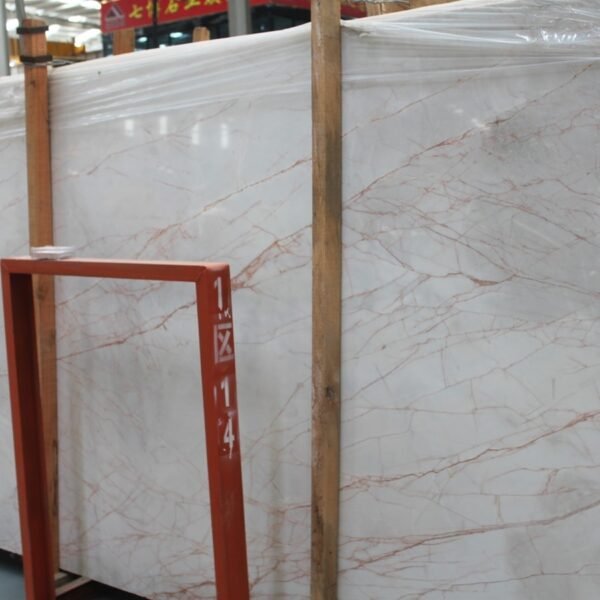
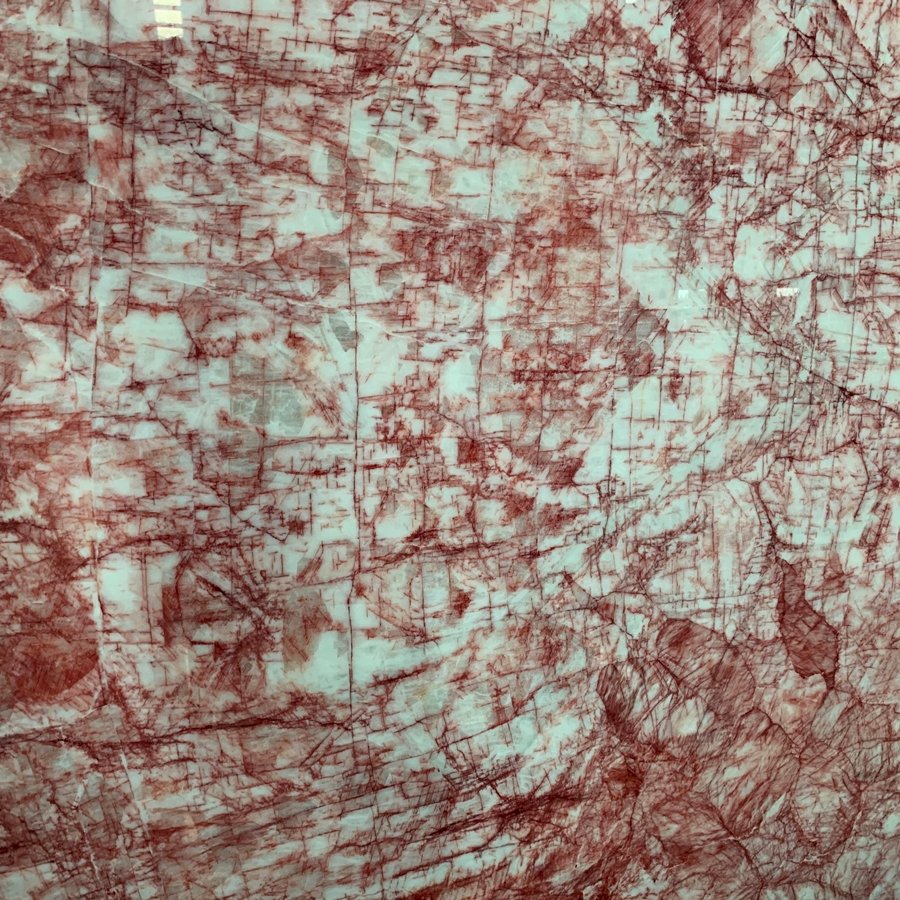
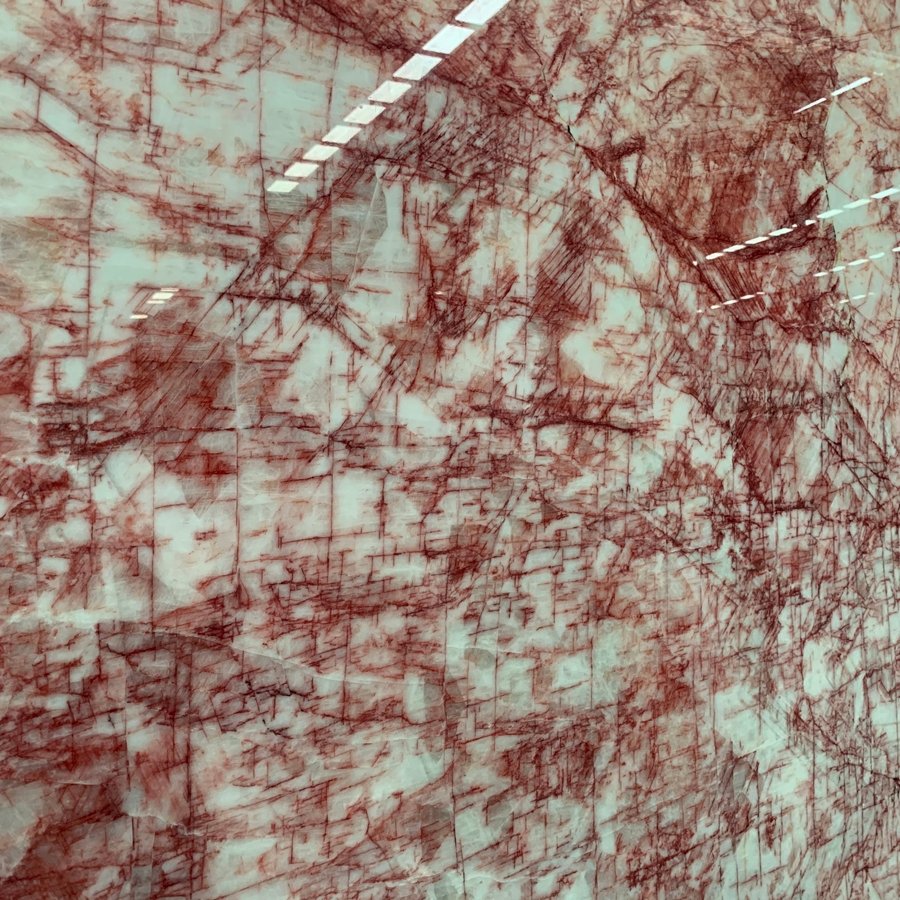
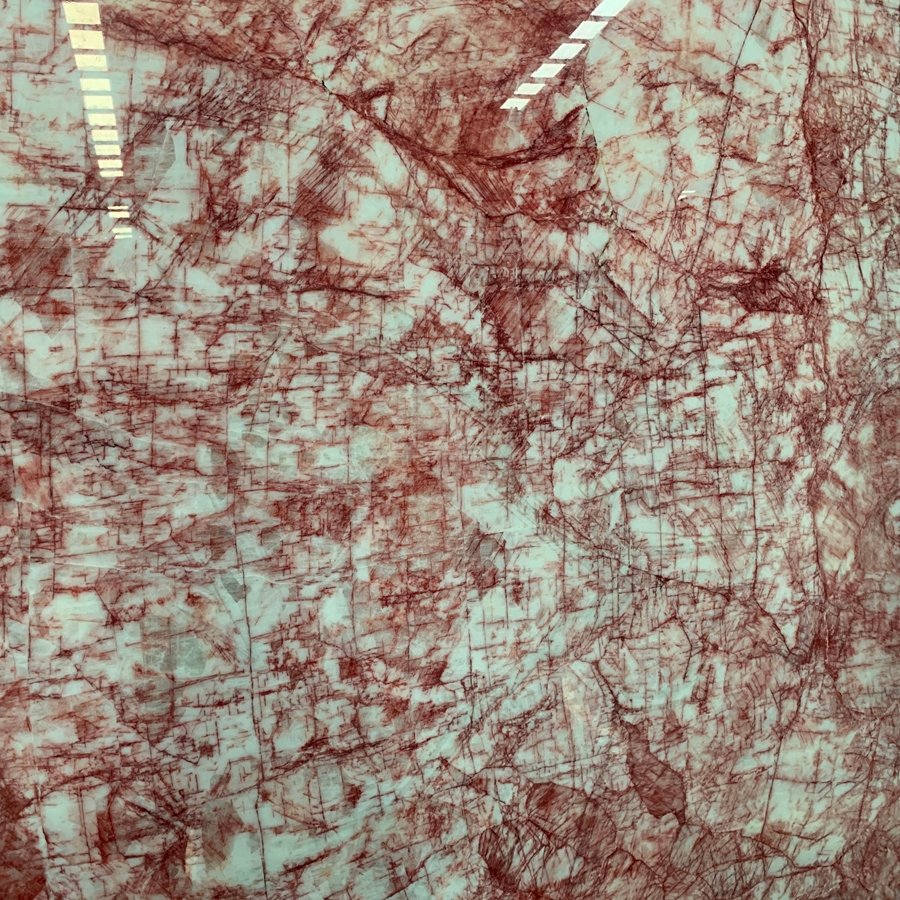
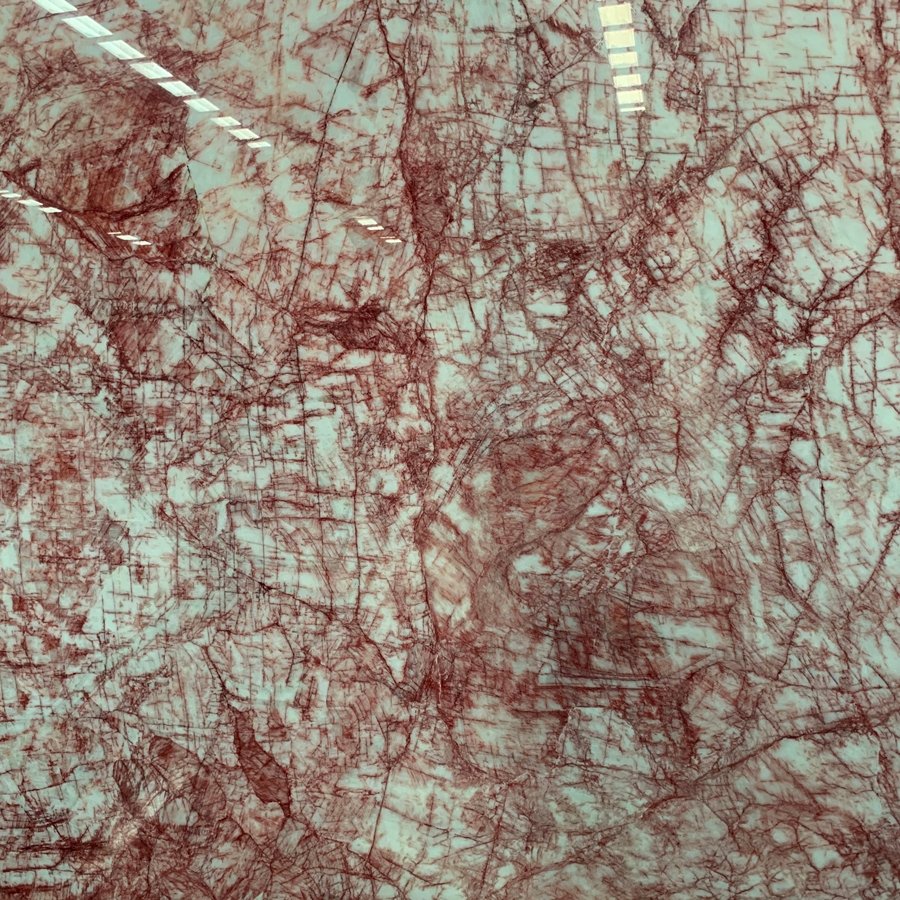
Red Valley Marble is prized for saturated red tones that range from crimson to burgundy, often streaked with white, grey, or golden veins. The stone typically polishes to a rich, glossy finish, making it a go-to for statement pieces where color intensity is the primary design driver. Because many red marbles are calcitic or carbonate-rich, they share common technical characteristics: moderate hardness, susceptibility to acidic etching, and variable porosity, which varies based on mineral content and slab finish.
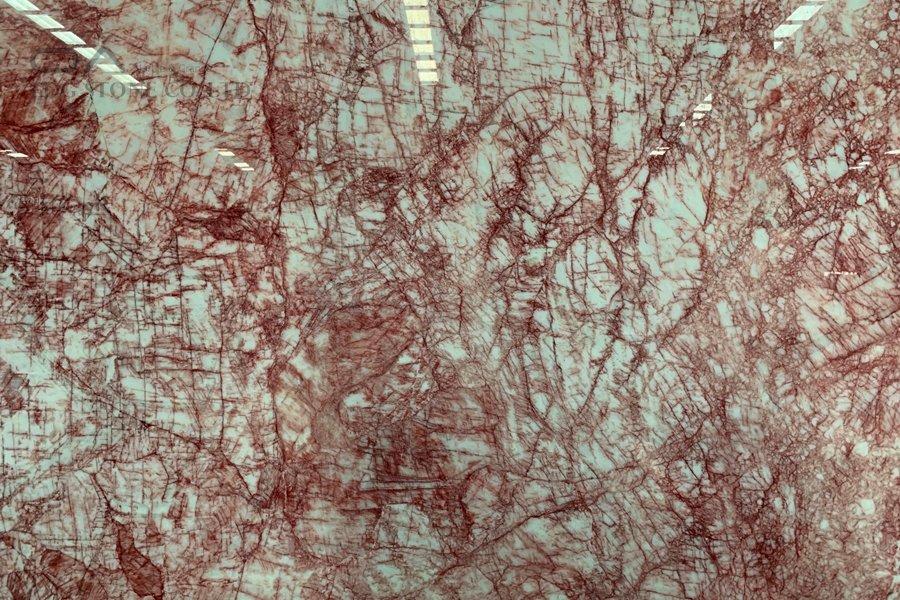
Architectural uses play to color visibility and vertical placement: reception feature walls, fireplace claddings, vanity walls, and sculptural furniture tops benefit most, where the marble’s color reads boldly and maintenance is manageable. For countertop applications, designers often choose Red Valley for accent islands or peripheral surfaces rather than primary prep zones unless the client accepts higher care. Flooring applications are suitable in low-traffic formal rooms, but require honed finishes or leathering to conceal wear and reduce slip risk.
Fabrication considerations: select slabs with consistent tonal quality for large runs, and plan vein matching where continuous flows are desired. Many red marbles contain natural fissures or mineralized veins—resin impregnation and localized filling by skilled fabricators improve structural stability and polish uniformity. For large-format cladding, use mechanical anchoring and movement joints to accommodate thermal and structural shifts.
Maintenance: apply penetrating sealers and clean with pH-neutral stone cleaners; avoid acid-based removers. Periodic resealing and occasional professional repolishing maintain the stone’s lustre. When specified with realistic care expectations and proper detailing, Red Valley Marble delivers dramatic warmth and timeless elegance.