Material Characteristics and Attributes
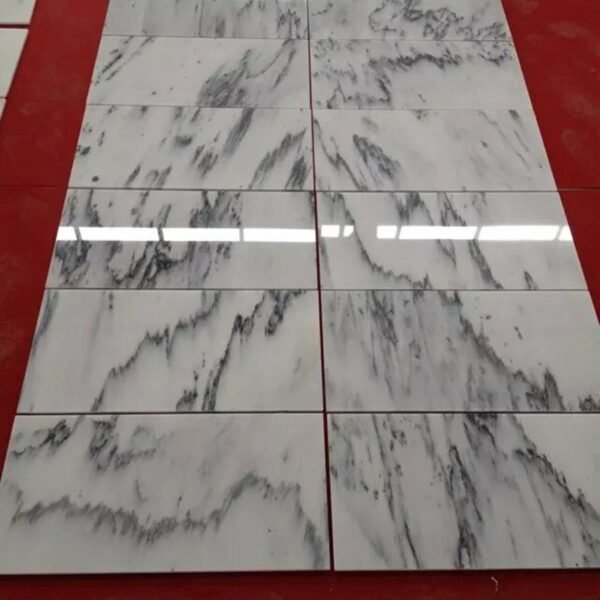
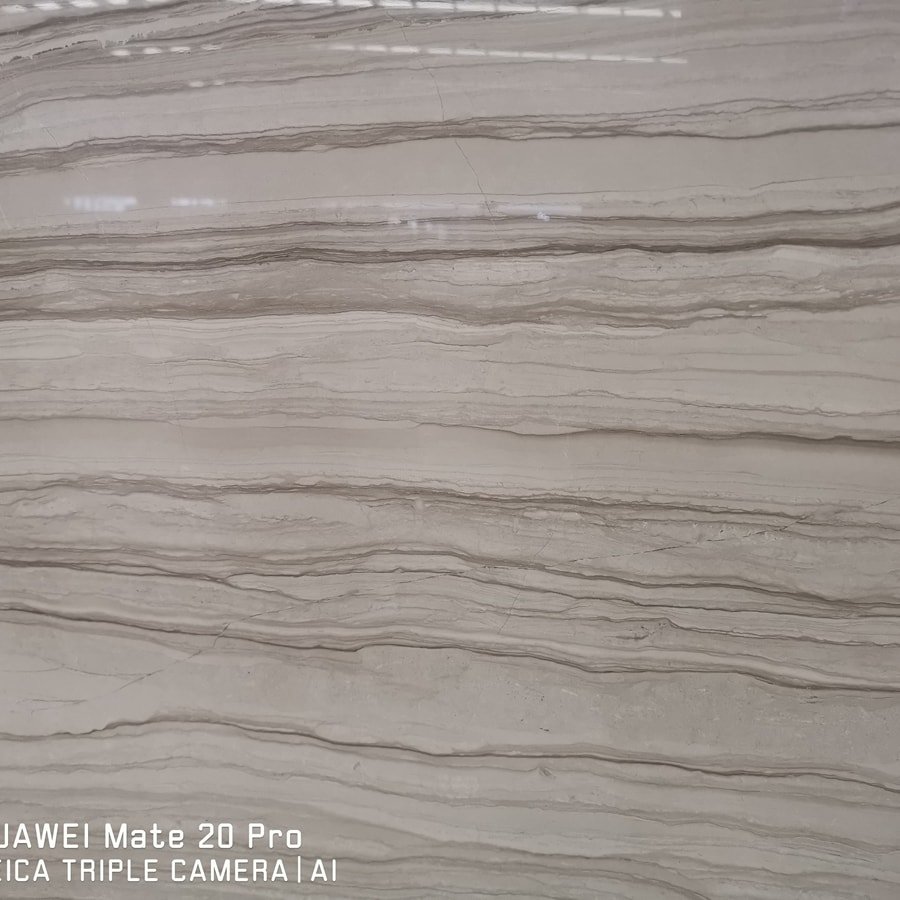
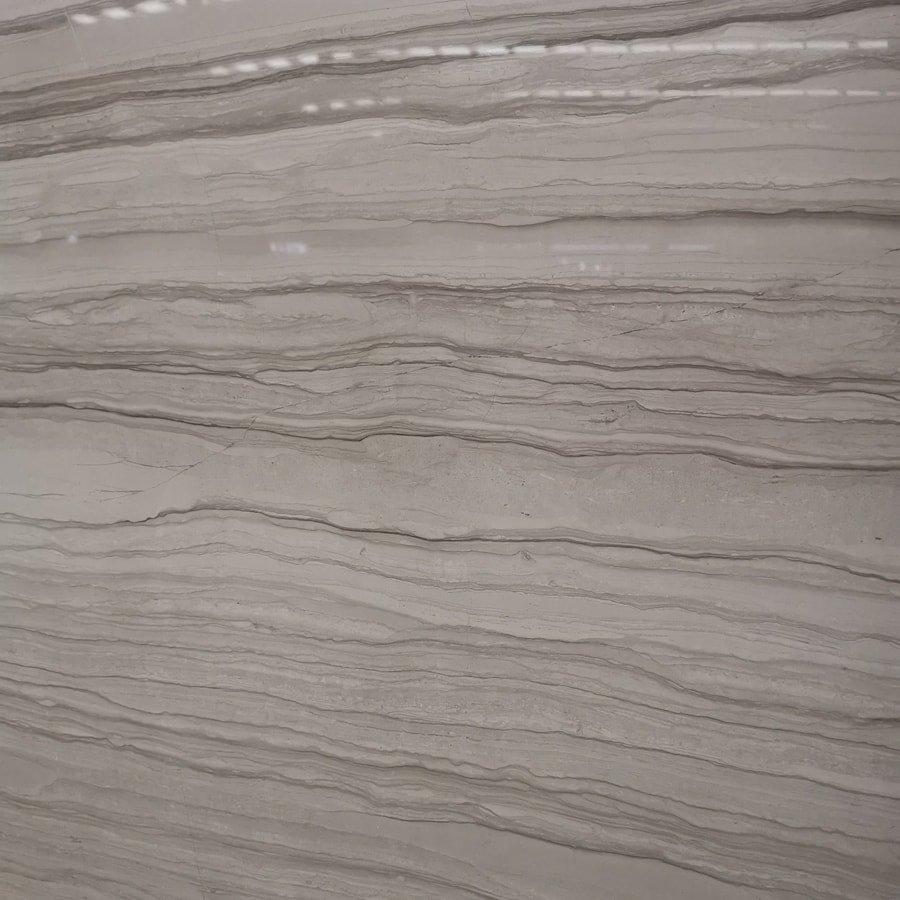
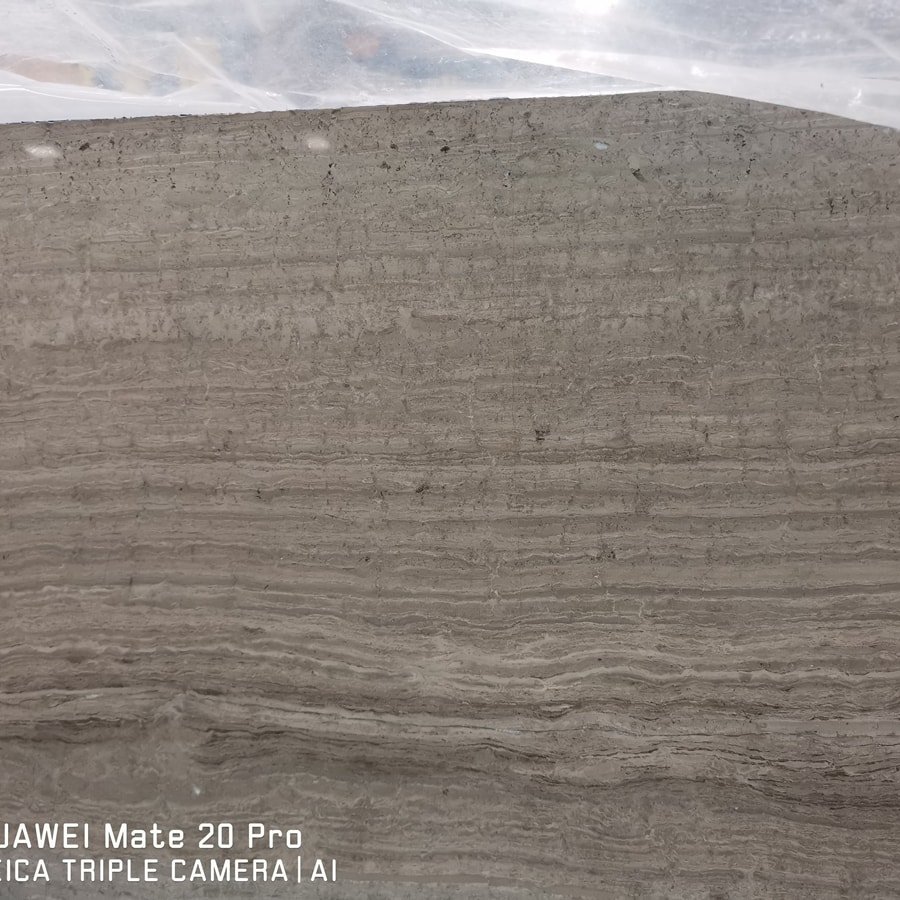
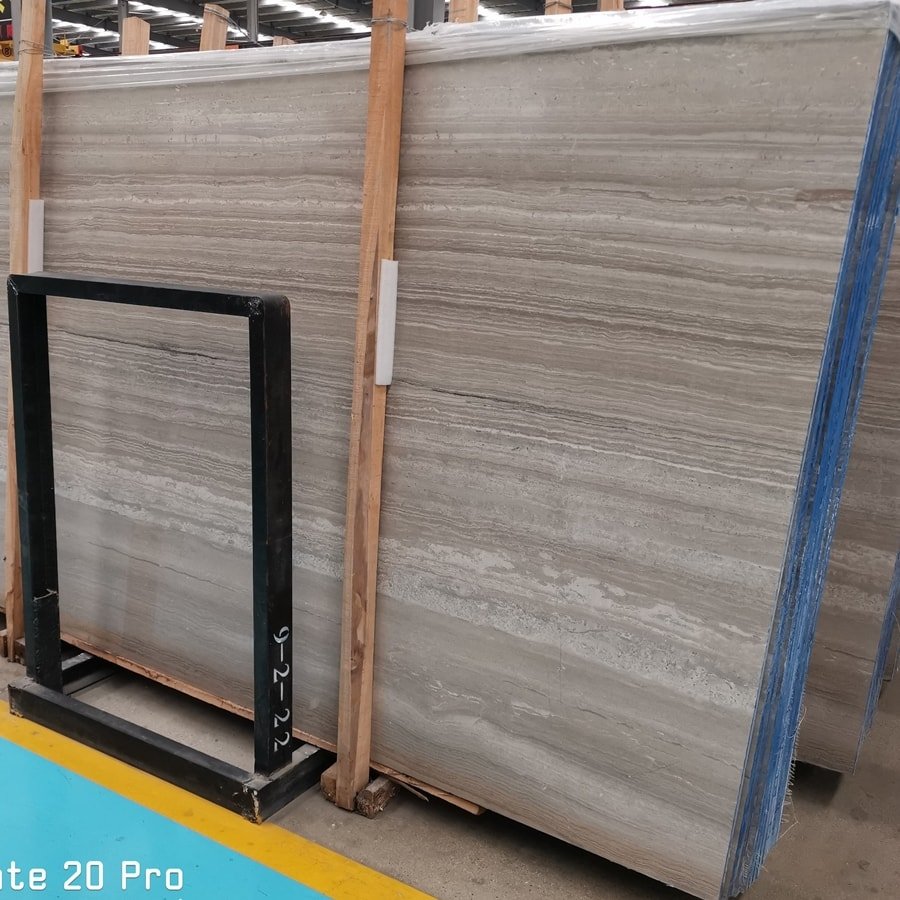
Grey Wood Grain Marble, often internationally traded as “Serpeggiante” or similar commercial names, is a metamorphic marble renowned for its precise and highly directional pattern. The base color is a soft, pale grey that provides a neutral, calming foundation. The defining feature is the tight, continuous, and remarkably parallel veining in shades of darker grey and white. This pattern is achieved by a specific geological structure and the way the stone is cut (vein-cut), creating the illusion of natural wood grain.
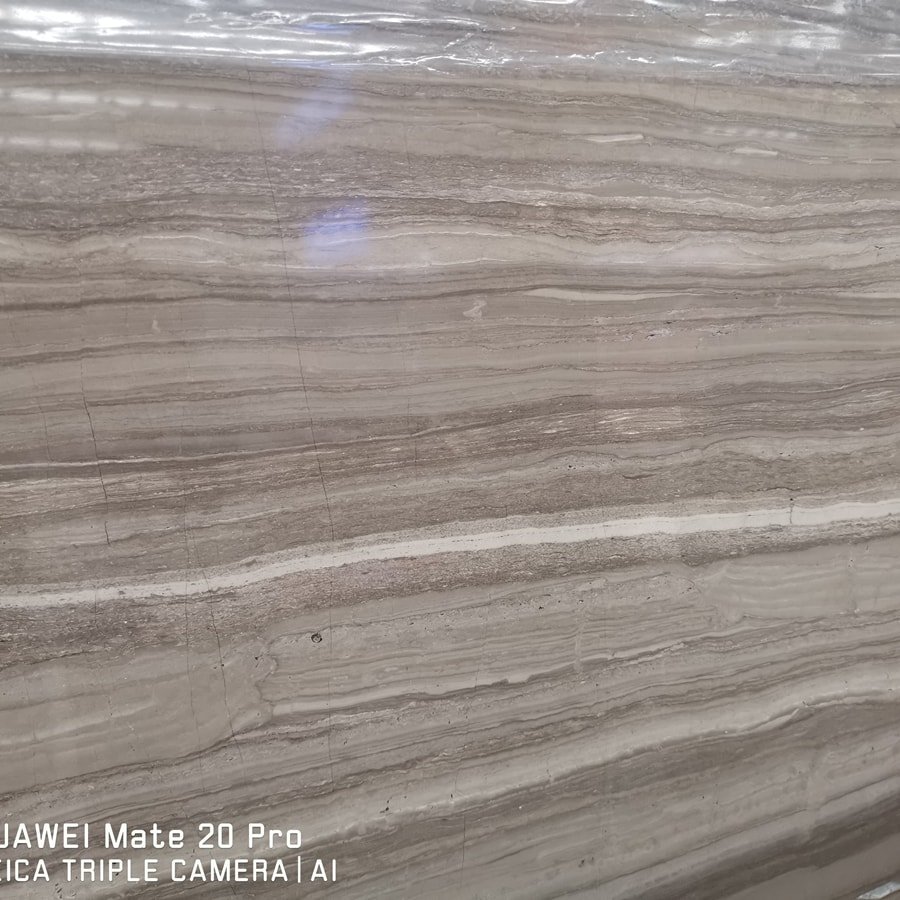
Structurally, it is a dense, fine-grained marble with good reliability. Its linear pattern is a massive advantage in modern design because it allows for visual continuation across vast surfaces. It polishes well, enhancing the sharpness of the grain, but is equally stunning in a honed finish, which better mimics the texture of wood. As a calcite marble, it requires standard sealing protocols. The predictability of its pattern makes it highly desirable for large-scale, uniform projects.
Architectural Applications and Design Integration
The clean, linear structure of Grey Wood Grain Marble makes it a foundational element in contemporary architecture:
-
Monolithic Wall and Floor Paneling: Its primary use is in creating seamless, continuous surfaces. By aligning the “grain” across entire walls and floors in corporate lobbies, airports, or luxury showrooms, designers create a feeling of flow, unity, and structural elegance. The veining is often run vertically on walls to emphasize height.
-
Bathroom Vanity Tops and Integrated Sinks: The linearity works perfectly on vanities, where the veins can be directed horizontally to visually lengthen the counter. The pattern is also effective at camouflaging minor water spots and residues.
-
Cladding of Architectural Elements: Used to wrap columns, elevator surrounds, or service cores, it allows these structural necessities to be visually integrated into the surrounding walls and floors, maintaining the continuous wood-grain illusion.
-
Custom Furniture Tops (Minimalist): A single slab used for a clean, minimalist table or cabinet top provides texture and refinement without the chaotic movement of typical marble.
Grey Wood Grain Marble is a key player in minimalist, contemporary, and Zen-inspired design. Designers value the pattern’s ability to introduce a subtle, structured texture without the visual “noise” of many other marbles. The procurement process for B2B requires careful attention to vein alignment during dry-lay and confirmation that the specific cut (vein-cut vs. cross-cut) is correct to achieve the desired wood grain effect.