Detailed Description:
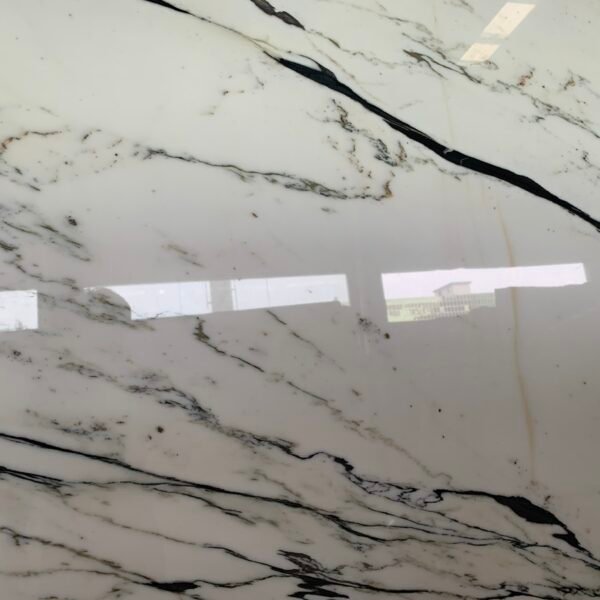
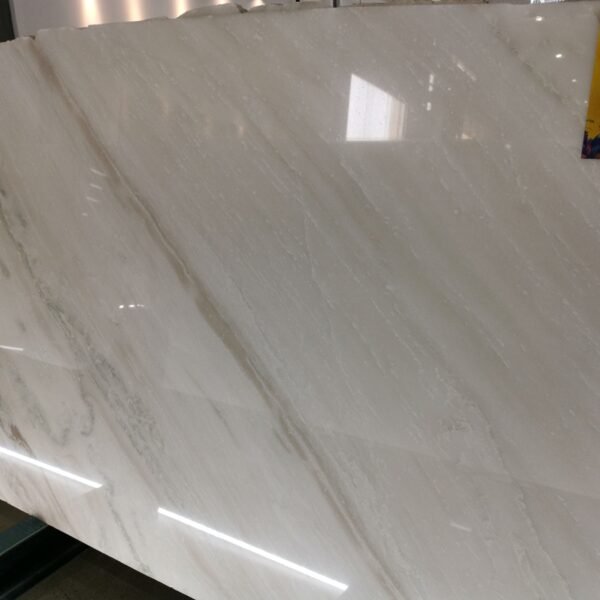
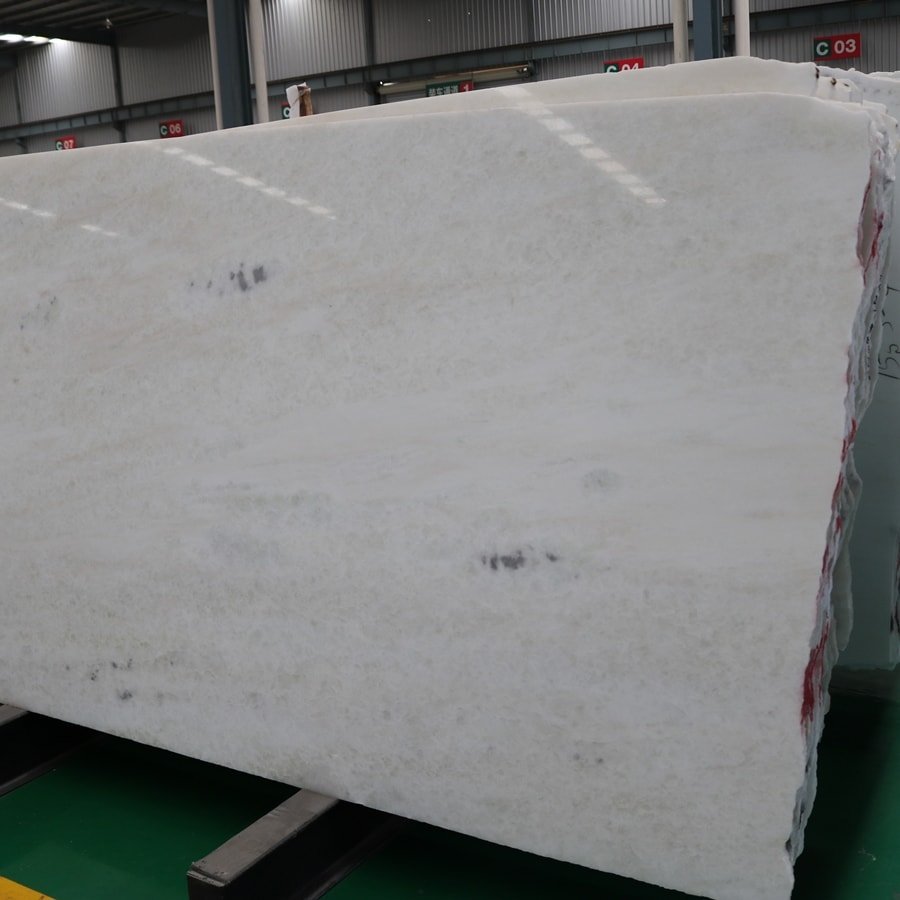
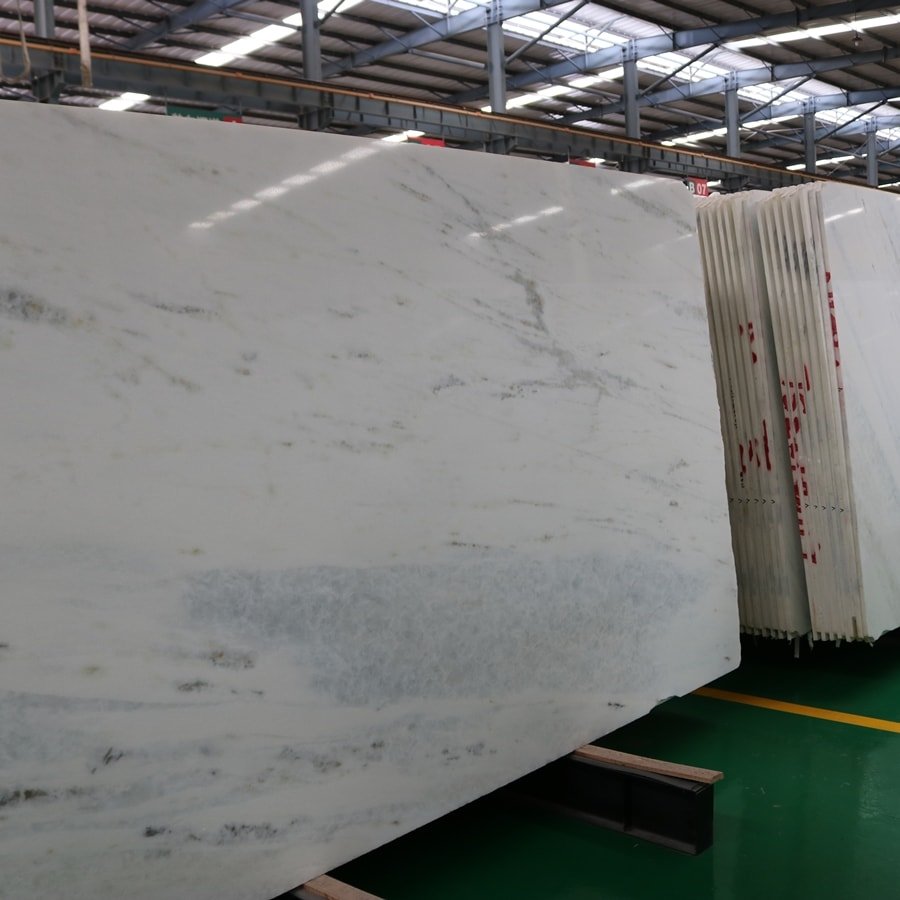
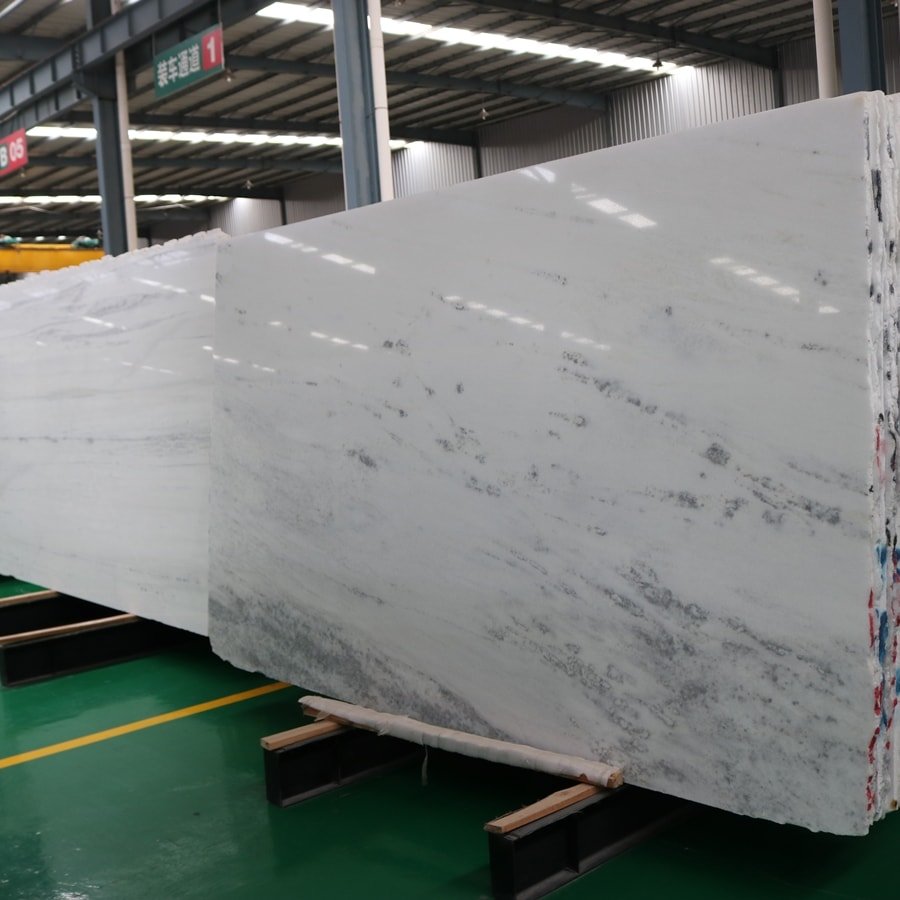
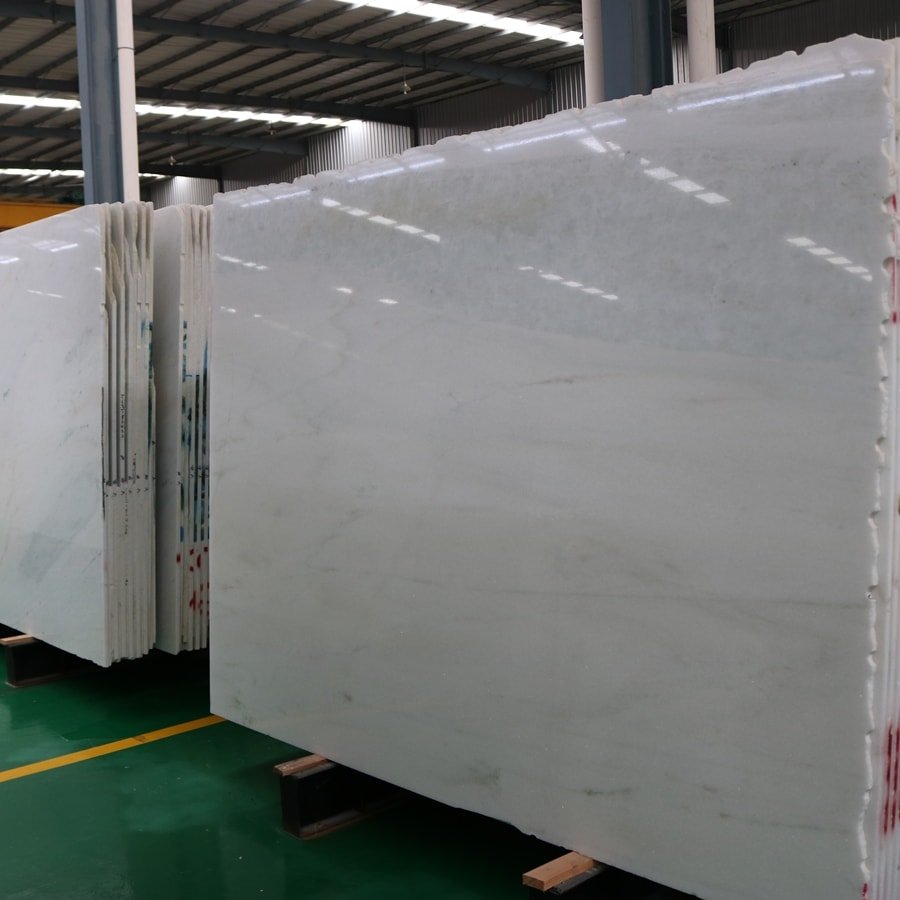
“Classic White Marble” refers broadly to the family of white marbles commonly used across centuries—stones with a bright white or off-white background and soft gray veining. Rather than a single quarry or geological type, this label typically implies balanced visual characteristics: neither overly stark like Thassos nor dramatically veined like Calacatta. The result is a marble that reads as familiar, safe, and refined—hence its perennial popularity in architecture and interior design.


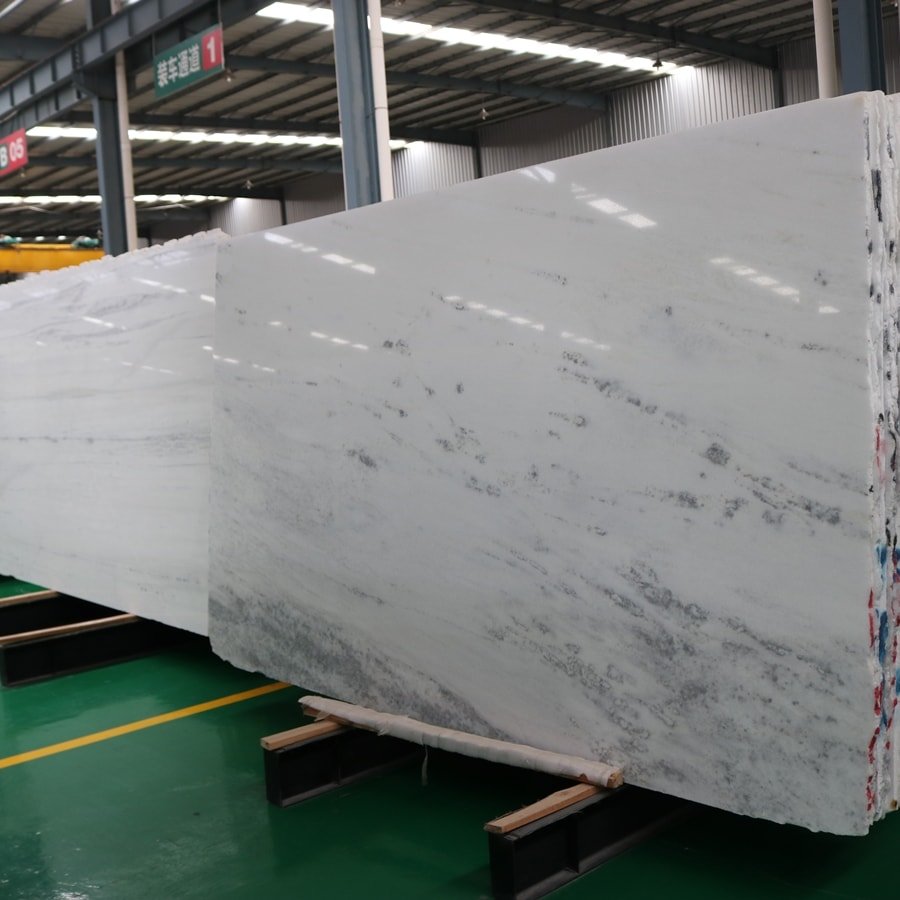
The appeal of Classic White Marble lies in its neutrality and capacity to harmonize with diverse materials and styles. It provides a luxe yet understated foundation suitable for kitchen countertops, bathroom vanities, flooring, fireplace surrounds, and wall cladding. In commercial contexts—retail stores, boutique hotels, corporate lobbies—Classic White creates an approachable elegance that does not overpower other design elements.
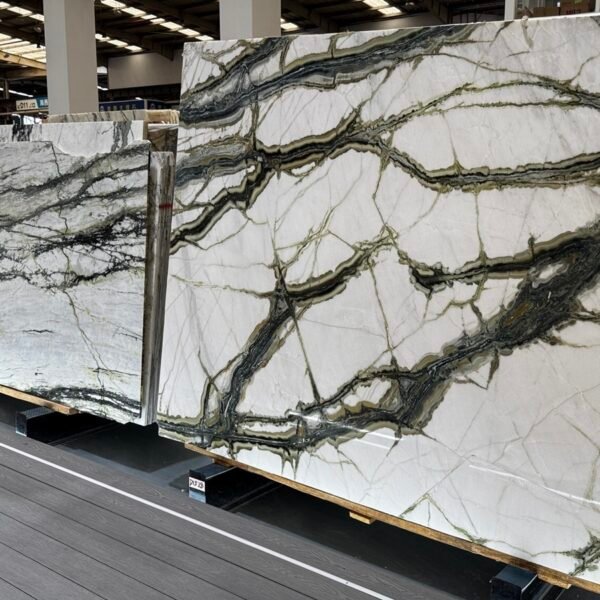
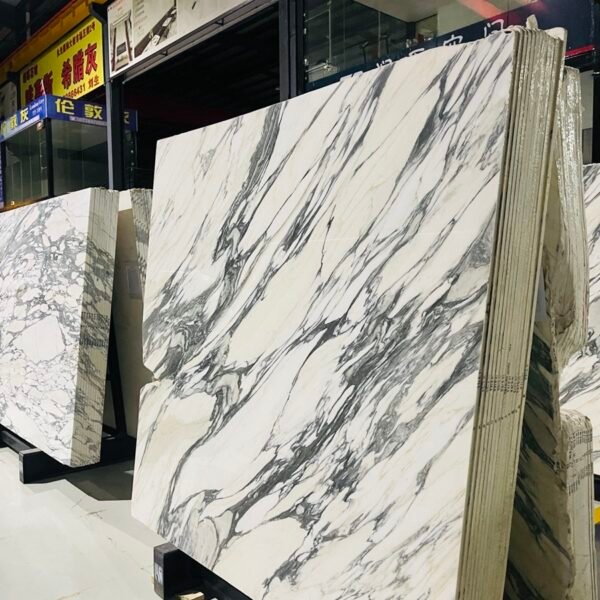
Materially, Classic White Marble typically features a calcite matrix with varying degrees of translucency and small crystalline facets that contribute to a pleasing sheen when polished. Veining can range from feathery and diffuse to more linear and pronounced, depending on the specific quarry. Designers often select slabs with vein patterns that align with the spatial intent: calm, subtle veining for minimalist layouts, or more active veining for expressive feature walls.
Architectural use benefits from thoughtful detailing. In kitchens, for instance, care must be taken around high-use areas; sealing and protective maintenance routines minimize staining and etching. For floors, finishes can be selected to balance aesthetics and performance—polished surfaces maximize shine, while honed or textured finishes increase slip-resistance and conceal wear.
Classic White Marble also performs well in bookmatched paneling, where mirrored veining across adjoining slabs creates a dramatic, symmetrical effect suitable for reception desks or statement walls. Its neutral tone is ideal for lighting strategies as well—white marble reflects both natural and artificial light efficiently, helping make interiors feel brighter and more expansive.
From a sustainability and longevity perspective, natural marble is a durable material when properly detailed and maintained. It responds well to restoration: honed or re-polished surfaces can be renewed, and patina developed over time can add character. Nonetheless, planners must account for marble’s sensitivity to acid and abrasive wear—specifying appropriate sealers, finishes, and maintenance protocols is essential.
In summary, Classic White Marble occupies a central place in architecture for its timeless elegance, adaptability, and ability to enhance light and space. It’s a practical and aesthetic choice that supports a wide variety of design expressions, delivering a reliable, elegant foundation for both modern and traditional projects.