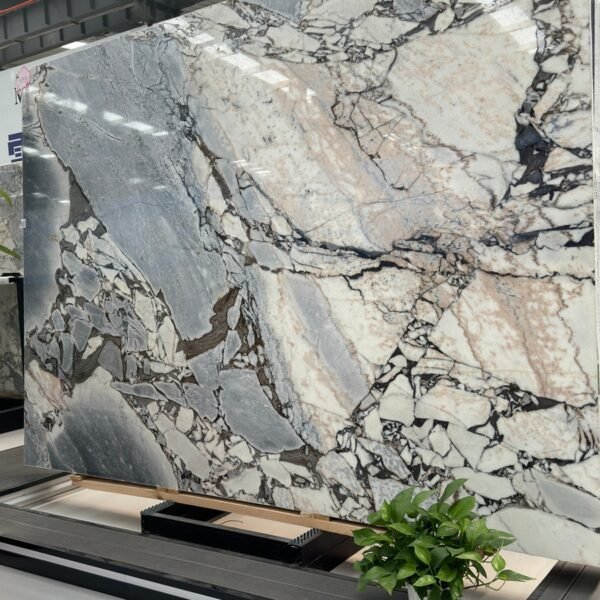
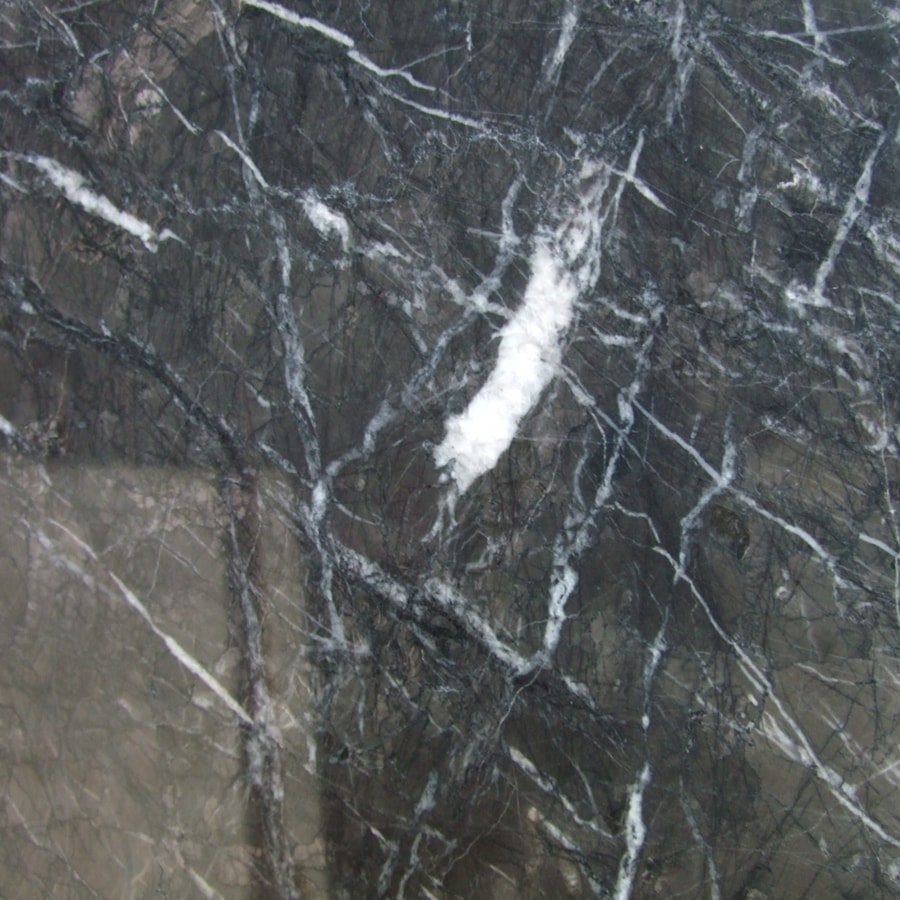
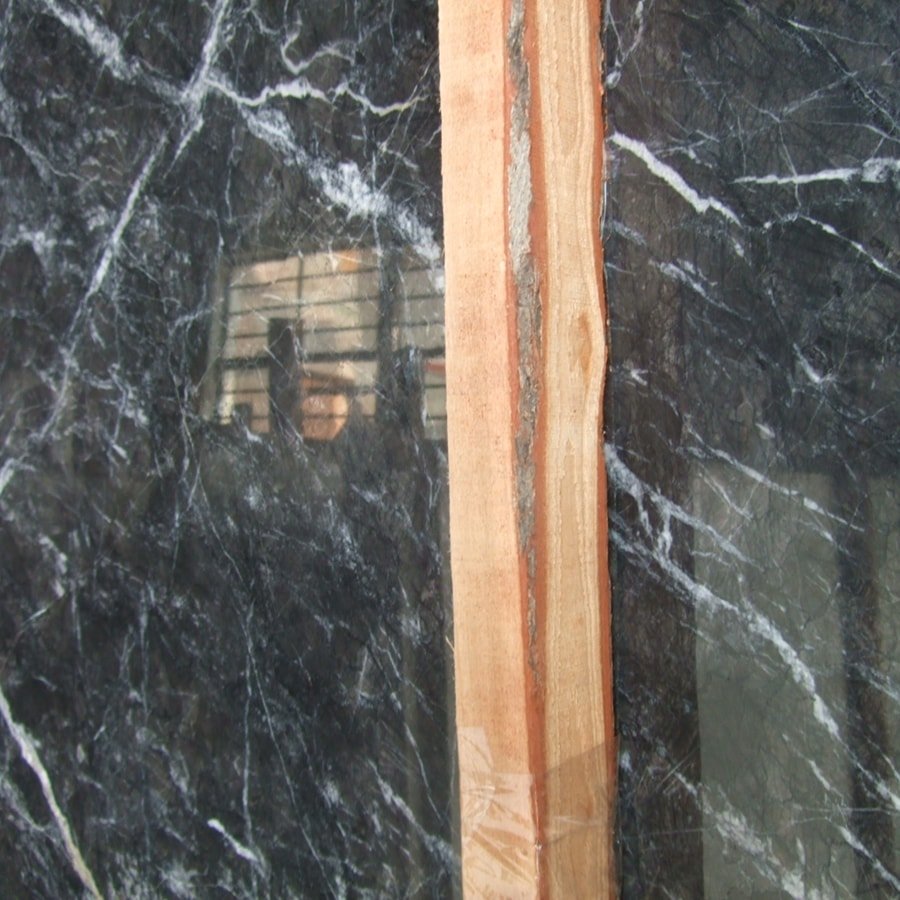
Assuming the product name Breccia Gnigio refers to the widely known Breccia Grigio (Grey Breccia), this marble is defined not by linear veins but by its very geological structure. “Breccia” refers to a rock composed of angular, broken fragments (clasts) of rock cemented together by a fine-grained matrix. The result is a stone with a chaotic, patchwork, or natural mosaic appearance. The colors are a blend of various greys, whites, and occasional creamy or brown tones, with the angular fragments being distinct from the surrounding binding material. This stone is a dynamic, textural alternative to the smoother, veined marbles.
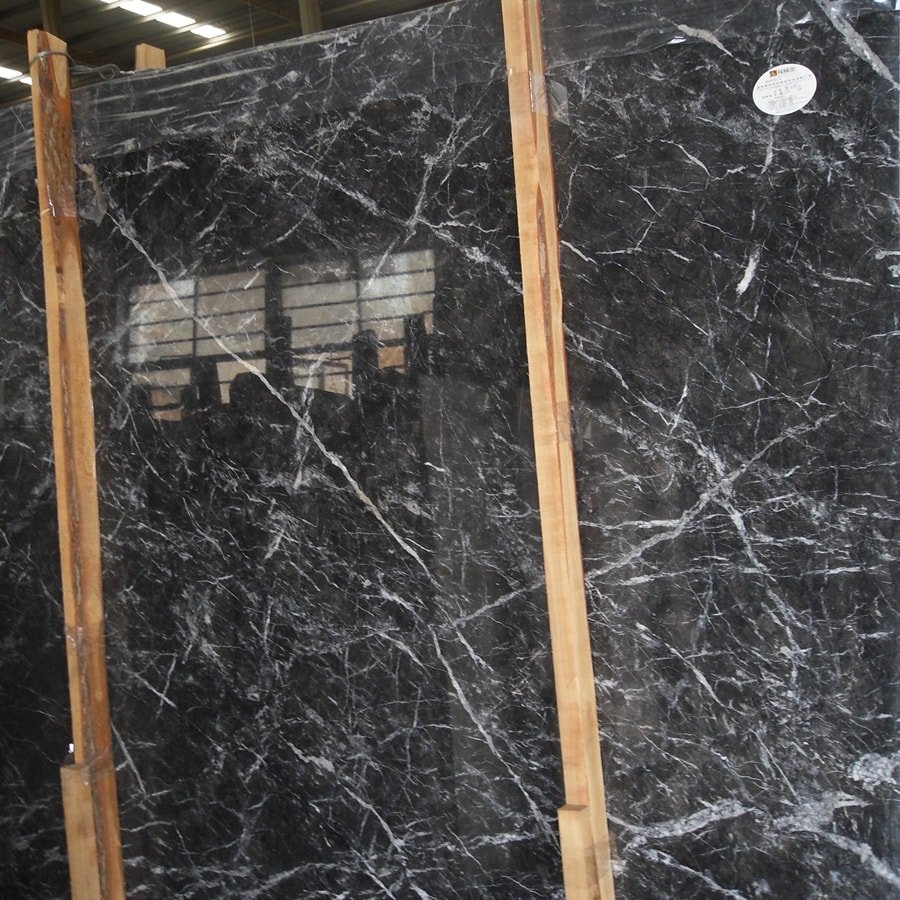
Material Attributes: Breccia marbles are naturally hard-wearing and often denser than standard veined marbles due to the varied, tightly-packed mineral composition of the fragments. This inherent structure gives it excellent durability for flooring and high-traffic areas. The dramatic, fragmented pattern helps to naturally disguise minor surface wear or soil, making it a very practical choice for certain commercial applications. The irregular, angular composition means that each slab is truly unique, making it impossible to precisely match two pieces, though it provides a highly continuous, textural background. It is most frequently presented with a polished finish to maximize the visual depth and highlight the different colors and shapes within the brecciated structure. A honed finish can also be used to soften the high contrast and create a more textural, ancient appearance.
Architectural Applications: Breccia Gnigio is overwhelmingly selected as a decorative statement piece where its strong texture and visual energy can be fully appreciated.
-
Feature Walls and Book-matching: Using large slabs for book-matched feature walls is the most effective way to utilize this stone. The fragmented pattern becomes a piece of abstract natural art, highly effective in modern architectural spaces, hotel lobbies, and luxury retail environments.
-
Flooring: Its durable nature and ability to camouflage wear make it excellent for large format flooring in both residential and light commercial settings, adding considerable texture to a room’s foundation.
-
Vanity Tops and Sinks: The stone’s busy pattern works exceptionally well in bathrooms, as the complexity of the surface naturally obscures seams and fixtures, providing a cohesive look for vanities and vessel sinks.
-
Kitchen Applications: While suitable for kitchen countertops, designers should embrace its bold pattern as the dominant design feature, balancing it with very simple, unadorned cabinetry.
-
Decorative Accents: Due to its sculptural quality, Breccia Gnigio is often used for monolithic columns, unique reception desks, and other large, architectural elements that are meant to stand as a dramatic centerpiece.
Breccia Gnigio Marble is the ultimate choice for a high-impact design that seeks to move beyond traditional veining, delivering an aesthetic that is robust, unique, and deeply textural.