
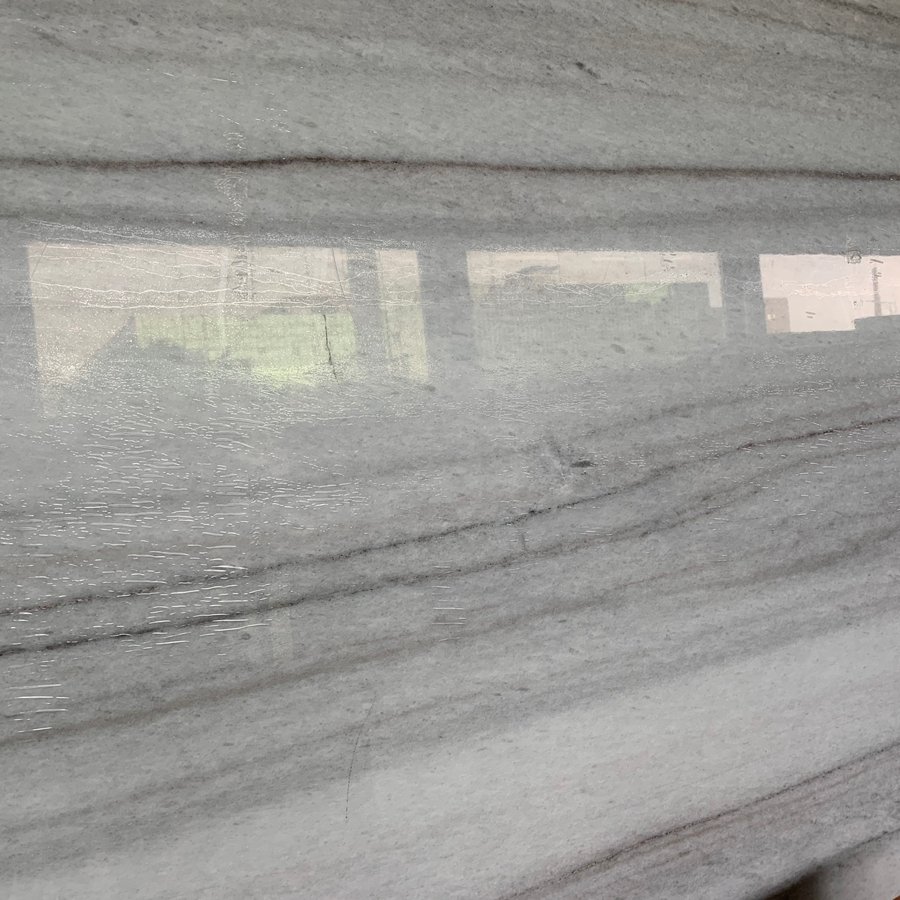
Swan Lake White Marble — Detailed description (≈500 words)
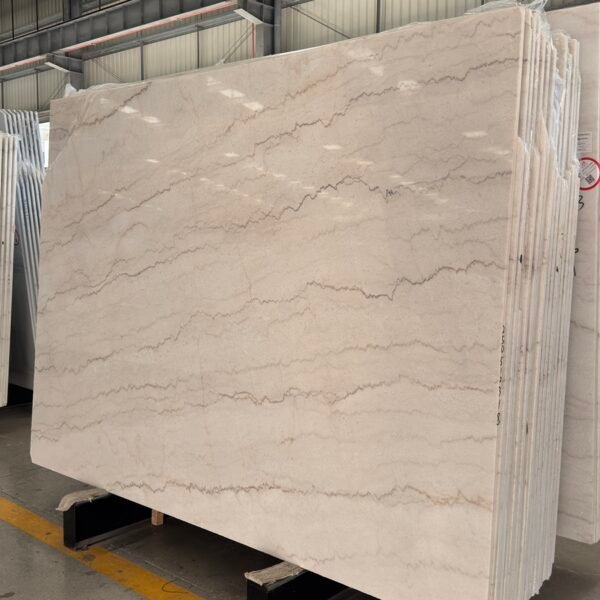
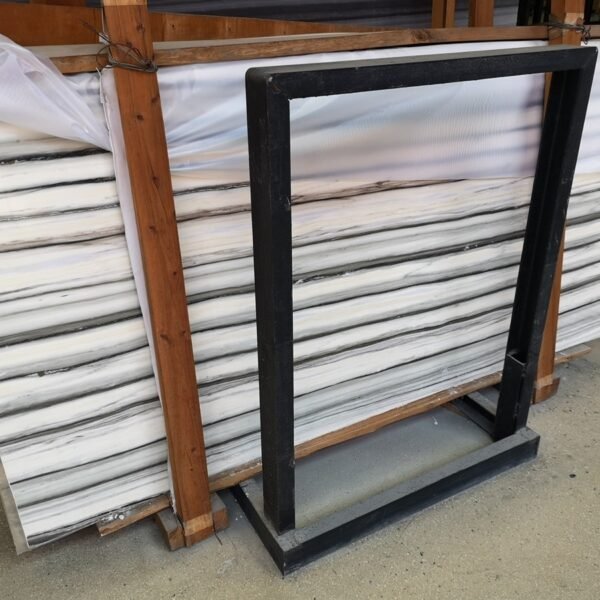
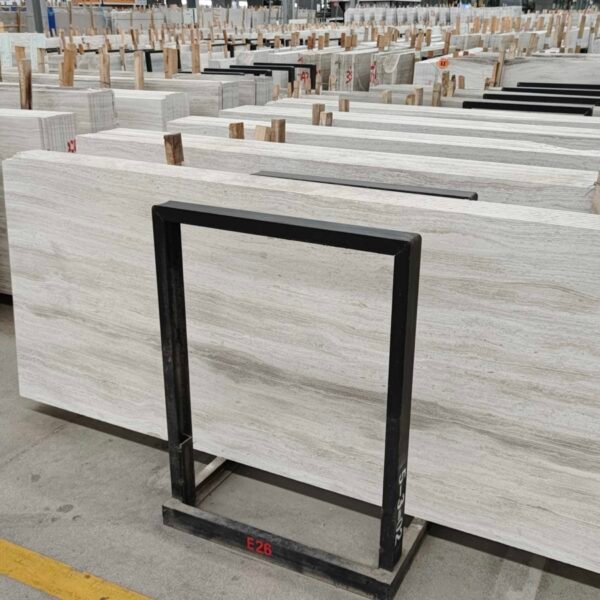
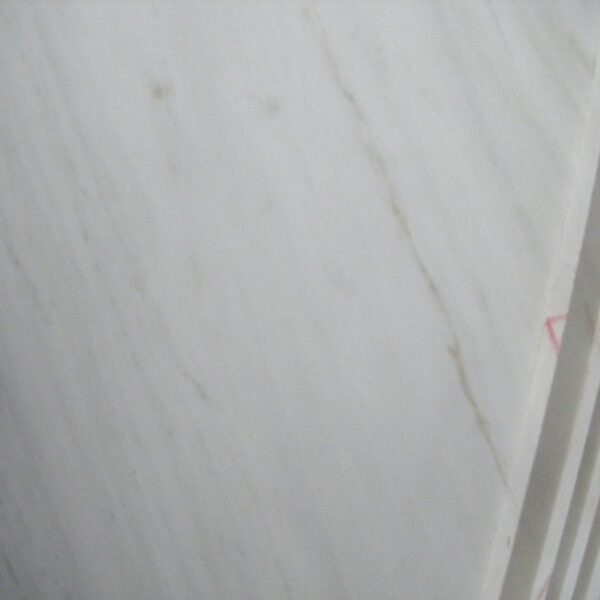
Swan Lake White Marble is prized for its serene, almost ethereal appearance: a luminous white ground with delicate grey veining and soft cloud-like patches that gently animate surfaces without overpowering adjacent materials. This restrained, elegant aesthetic makes it an excellent choice for designers aiming for quiet luxury and spatial brightness. Geologically, Swan Lake is a metamorphosed carbonate stone with a fine-to-medium crystalline structure. This microstructure allows it to take a high polish, producing a luminous sheen and subtle three-dimensional depth that highlights vein translucency and mineral grain.
From a material properties perspective, Swan Lake typically exhibits moderate density and porosity. It is harder and more compact than the softest marbles but still more reactive than siliceous stones like granite or quartzite. As a result, it is workable and attractive for high-visibility interior applications. Still, it requires routine maintenance: a penetrating sealer at installation and periodic resealings will reduce the risk of staining and moisture ingress. Moreover, because marble reacts to acids, cleaning agents should be pH-neutral, and spills should be wiped promptly to avoid etching.
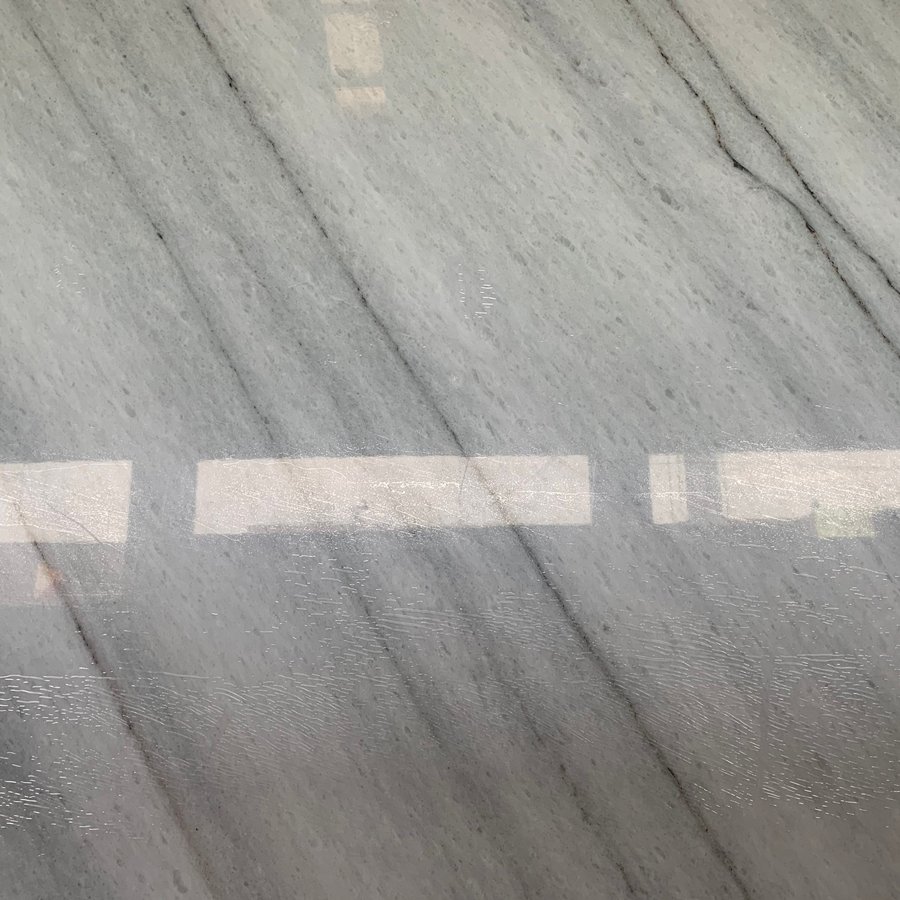
Architecturally, Swan Lake excels in several key uses. Countertops and islands benefit from its bright background, which visually enlarges spaces and pairs beautifully with warm woods, brushed metals, and matte cabinetry. Designers frequently choose large-format slabs and waterfall edges to emphasize continuity and clean lines. Bathroom vanities and shower walls leverage the stone’s luminous qualities to create spa-like atmospheres—paired with soft diffuse lighting, the stone appears to glow.
As a cladding material, Swan Lake White is particularly effective in full-height installations: feature walls, elevator lobbies, and reception desks. When bookmatched, pairs of slabs form symmetrical, mirror-like patterns that elevate a space into an artful tableau. For flooring, Swan Lake is best in low- to medium-traffic residential or boutique commercial settings. A honed finish can reduce glare and hide minor wear while increasing slip resistance; however, honed surfaces mute the stone’s reflective depth compared to polished finishes.
Installation considerations are straightforward but important. Because marble can contain natural fissures or veins that represent planes of weakness, skilled templating and fabrication are essential—particularly for thin-profile countertops or long-span cladding. Mechanical anchorage, proper substrate leveling, and flexible joints are necessary to avoid stress cracks. Thermal differences and substrate movement must be accounted for with expansion joints in large installations.
Outdoor use is limited: Swan Lake’s polished finish and carbonate composition make it vulnerable to atmospheric acids, freeze-thaw cycles, and abrasive urban pollution. If used outdoors, restrict to protected, covered areas with robust anchorage and drainage.
Sustainability and sourcing should also be considered. Selecting reputable suppliers that disclose quarry origin, waste management practices, and transport logistics helps minimize environmental impact. From a lifecycle perspective, well-maintained natural marble can last decades and develop a soft patina that many designers find desirable.
In summary, Swan Lake White Marble is a refined, versatile choice for interiors where quiet elegance and luminosity are priorities. With appropriate finishing, careful installation, and modest maintenance, it functions as a durable, long-term design investment—ideal for countertops, feature walls, bathroom suites, and reception spaces seeking a calm, sophisticated backdrop.