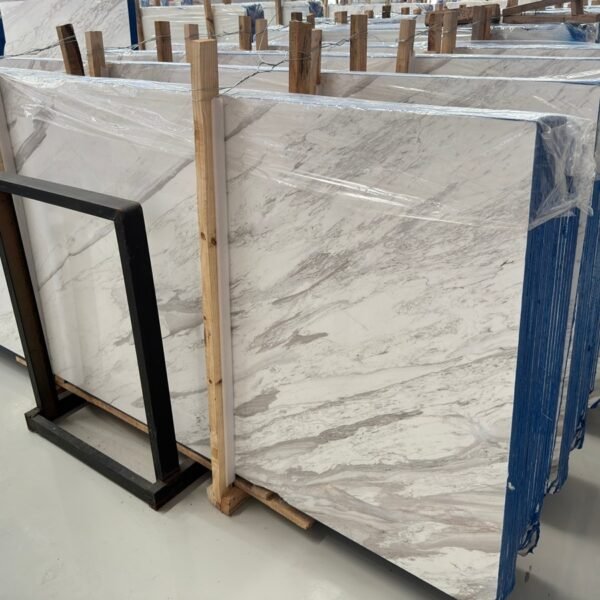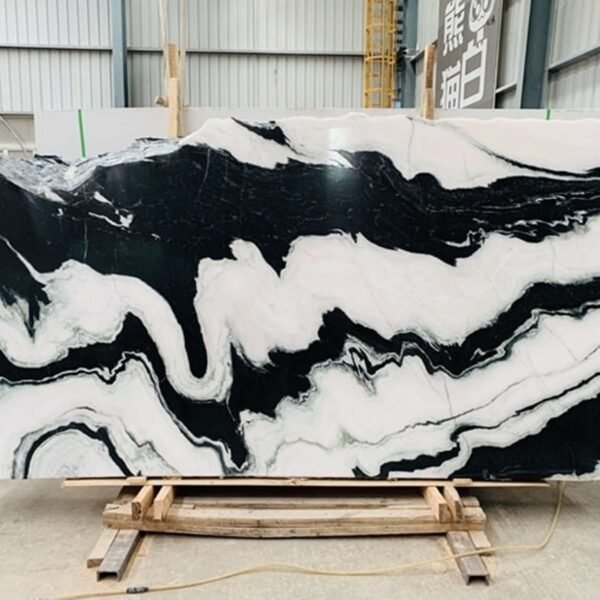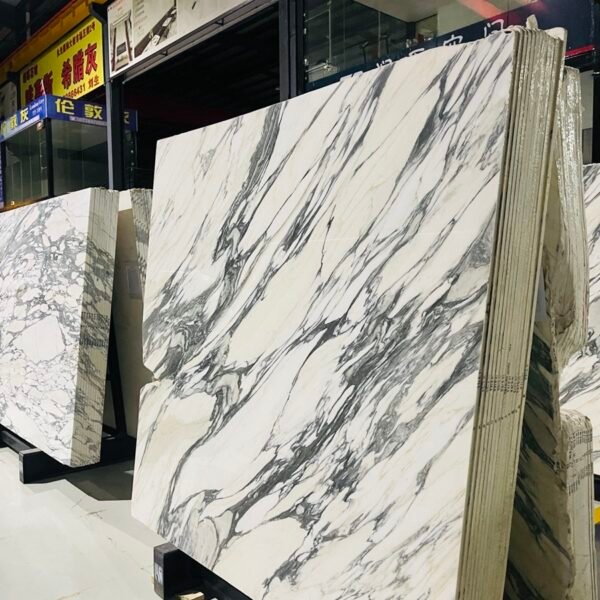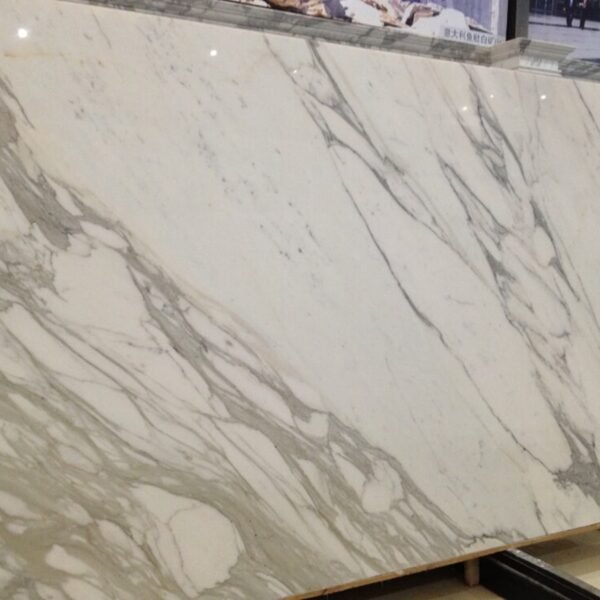
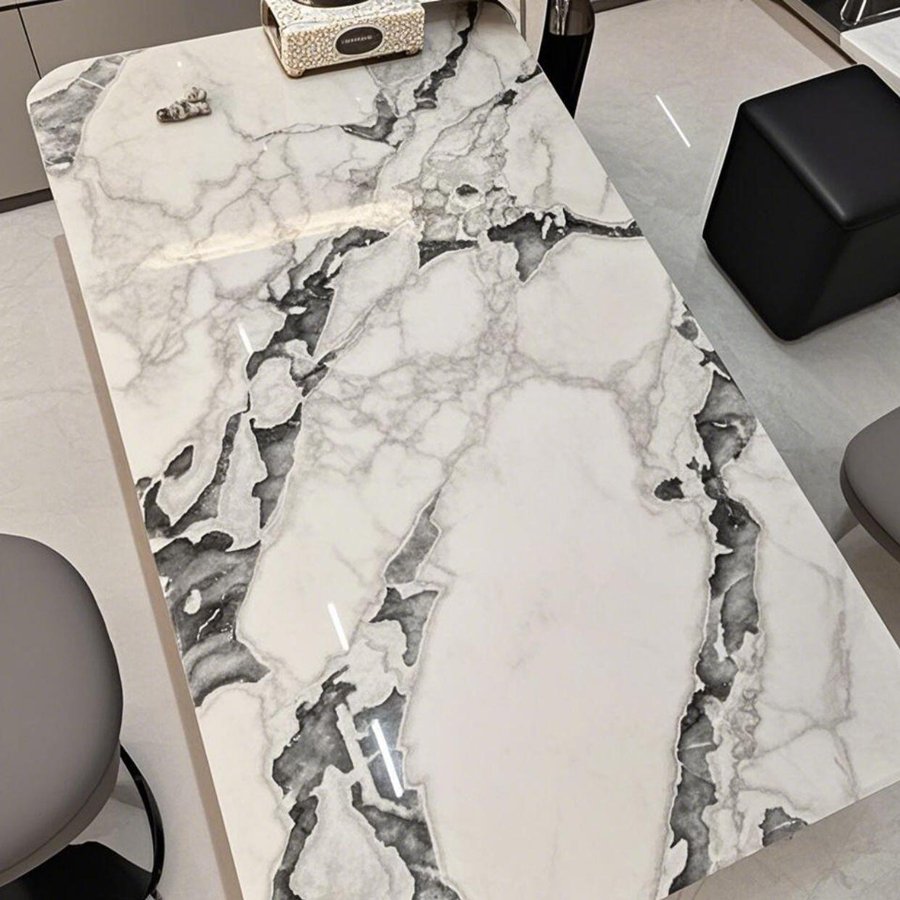
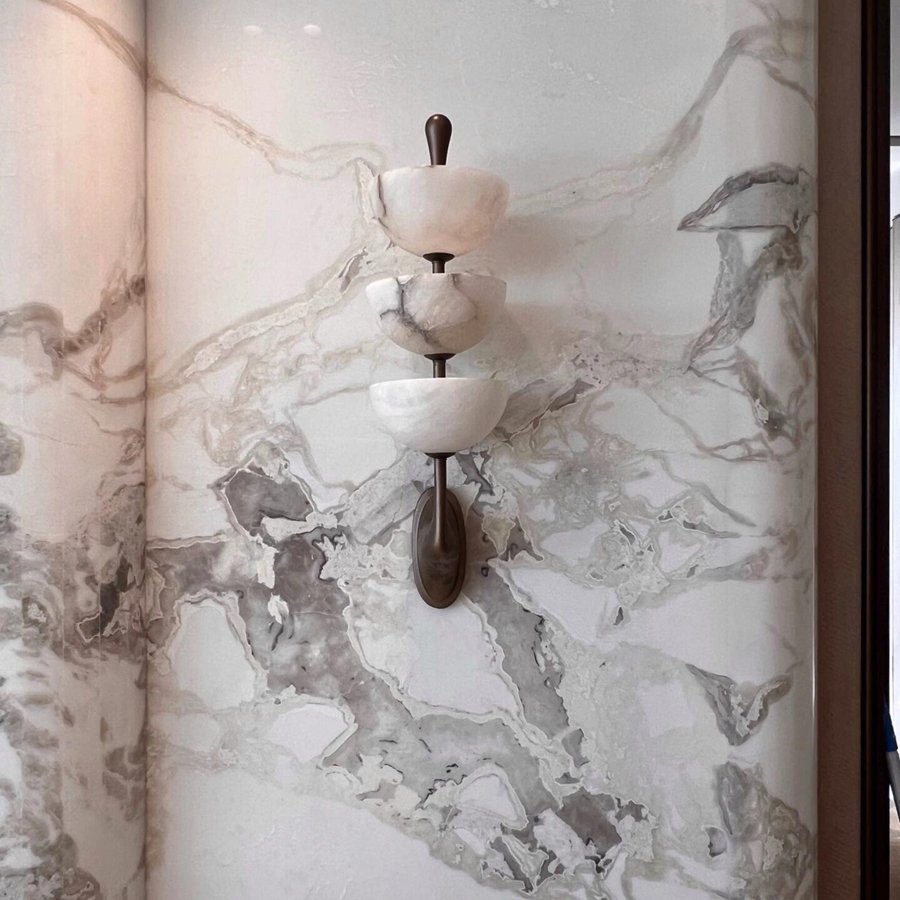
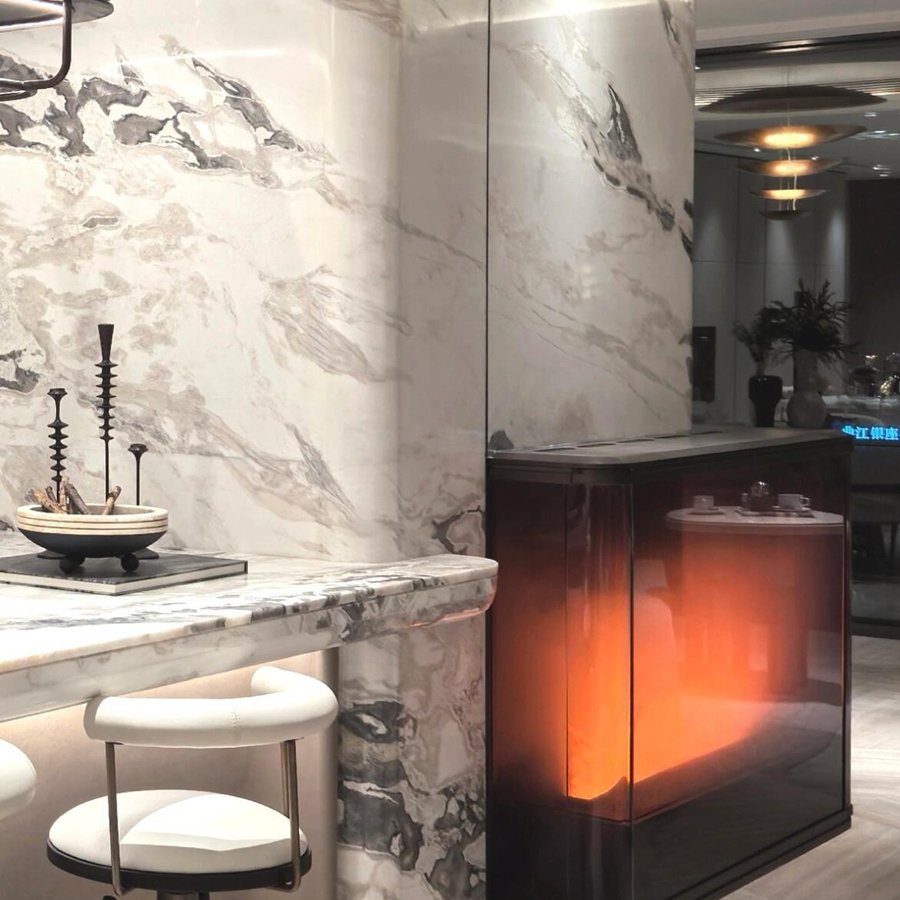
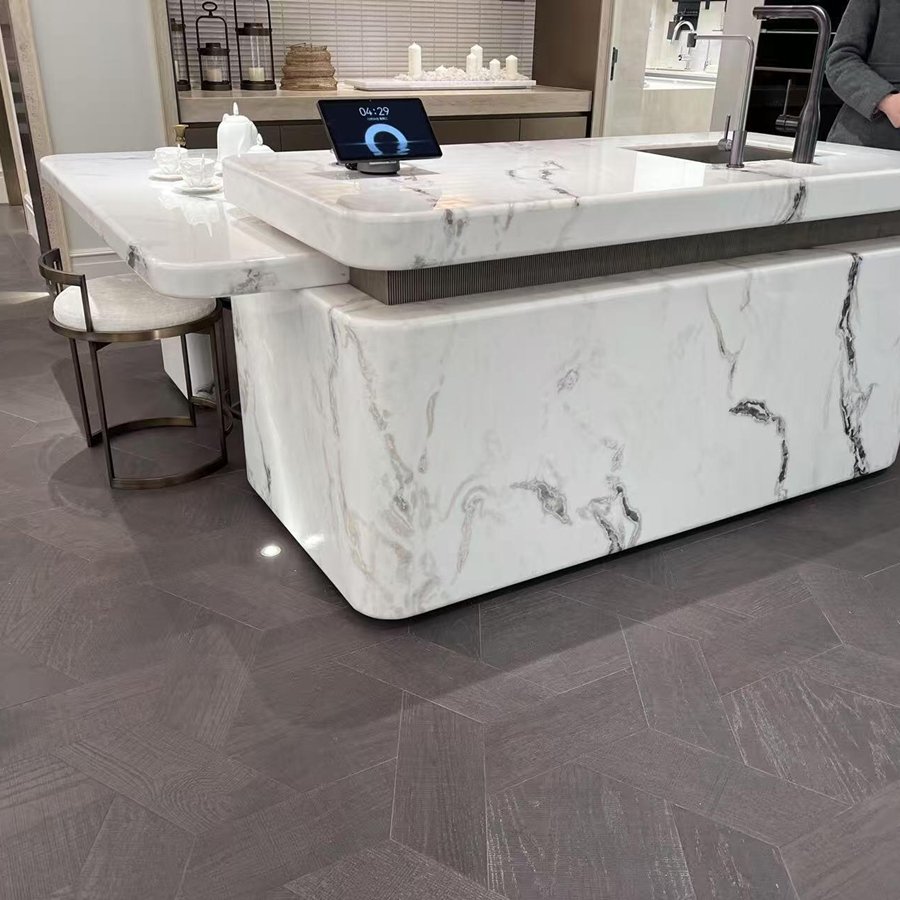
Fendi White Marble is a commercially named marble that reads as a refined, understated white stone with soft veining and occasional warm highlights. Its character is gentler than dramatic, high-contrast marbles like Calacatta; instead, Fendi White delivers quiet sophistication that supports diverse interior palettes. Understanding its physical and aesthetic properties informs where it performs best and how to specify it effectively.
Appearance and material properties: Fendi White typically shows a warm white-to-cream background with delicate to moderate grey veins and sporadic beige or gold accents. The stone polishes to a soft sheen and responds well to honed or satin finishes, which can reduce glare and improve slip behavior for flooring. As a calcitic marble, it is moderately porous and softer than siliceous stones like granite or quartzite; this influences abrasion resistance, susceptibility to etching from acids, and long-term wear characteristics.
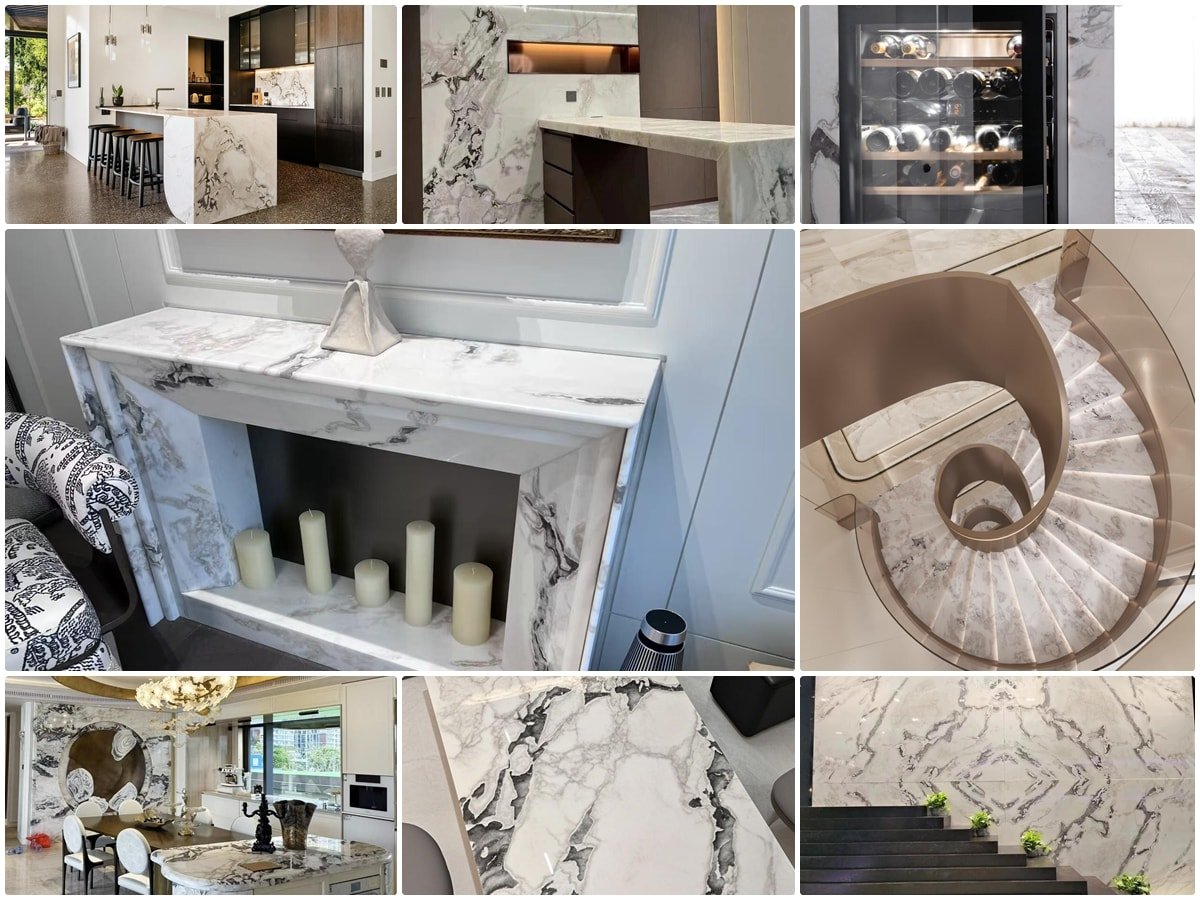
Best architectural applications: Fendi White excels on vertical and semi-horizontal surfaces where aesthetic value is prioritized over extreme durability. Typical uses include bathroom vanities, shower and tub surrounds, full-height interior cladding, fireplace facings, column covers, and decorative furniture tops. In kitchens, it performs well as backsplash panels, waterfall ends, or secondary countertops; for active food-prep zones, many designers opt for harder materials, or protective strategies (cutting boards, trivets) when using marble surfaces.
Finish selection and slip/abrasion considerations: For floors, choose honed or leathered finishes to disguise micro-scratches and improve slip resistance in wet areas. Polished finishes maximize depth and luminosity for vertical features but show etches more readily. Leathered or satin surfaces are good compromises, preserving some polish while masking daily wear. For stair treads and high-traffic corridors, consider using Fendi White inlay bands or accent ways rather than whole-floor fields, unless the owner accepts regular maintenance.
Fabrication and installation: Because the stone’s veining is typically subtle, the seamless appearance depends on consistent lot selection and slab layout. For large-format cladding or waterfall islands, plan vein alignment and consider bookmatching to create a continuous, curated visual flow. Edge profiles can materially affect perceived quality—mitred waterfall edges and soft ogee profiles convey higher craftsmanship. Substrate flatness, adequate backing, and flexible movement joints are essential to avoid hairline cracking or stress at seams. For larger slabs, use support brackets and back-buttering to reduce bowing and thermal stresses.
Maintenance and lifecycle: Penetrating sealers are recommended to reduce oil and water penetration, but they do not prevent etching from acid-based cleaners or spills. Cleaning protocols should use pH-neutral cleaners and immediate attention to spills like wine, citrus, and vinegar. Periodic resealing and occasional repolishing will extend usable life and restore surface gloss. For owners desiring low maintenance, we recommend using Fendi White in decorative or vertical locations while reserving engineered materials for heavy-use countertops.
Sustainability: Where possible, source slabs with documented quarry practices and consider remnant or reclaimed pieces for smaller elements to reduce embodied carbon. Efficient nesting in fabrication lowers waste and cost.
Summary: Fendi White Marble is an elegant, versatile white marble that suits designers seeking a calm, high-quality natural stone. It shines as a vertical cladding, vanity, and decorative surface, and when specified with suitable finishes, structural supports, and a clear maintenance plan, it contributes lasting, refined value to interior architecture.