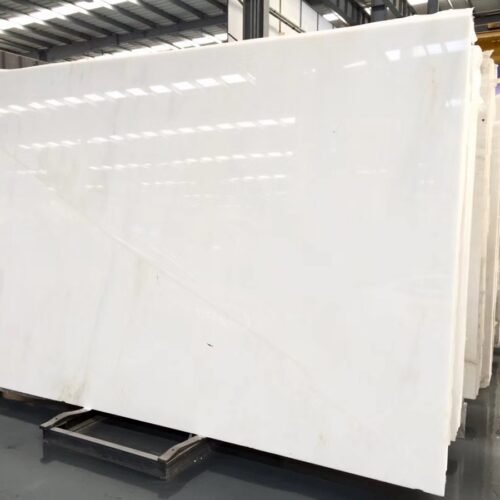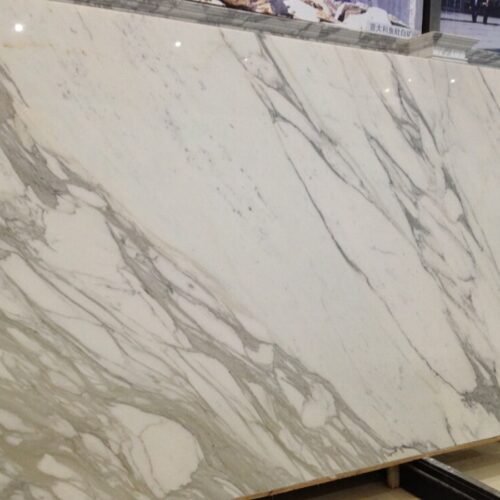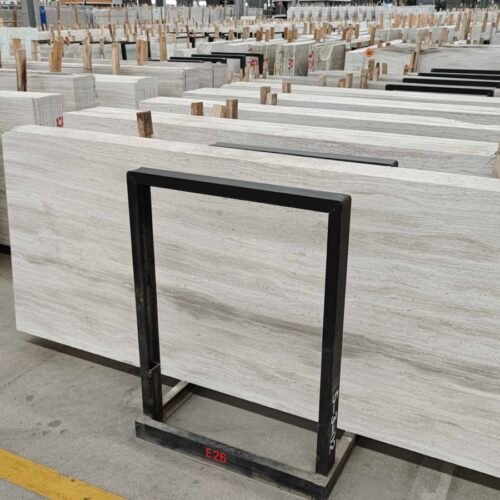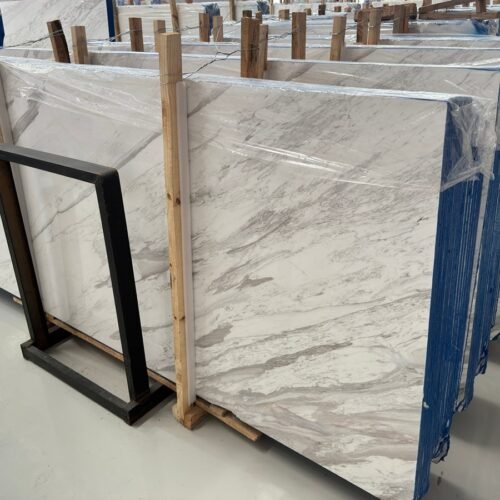
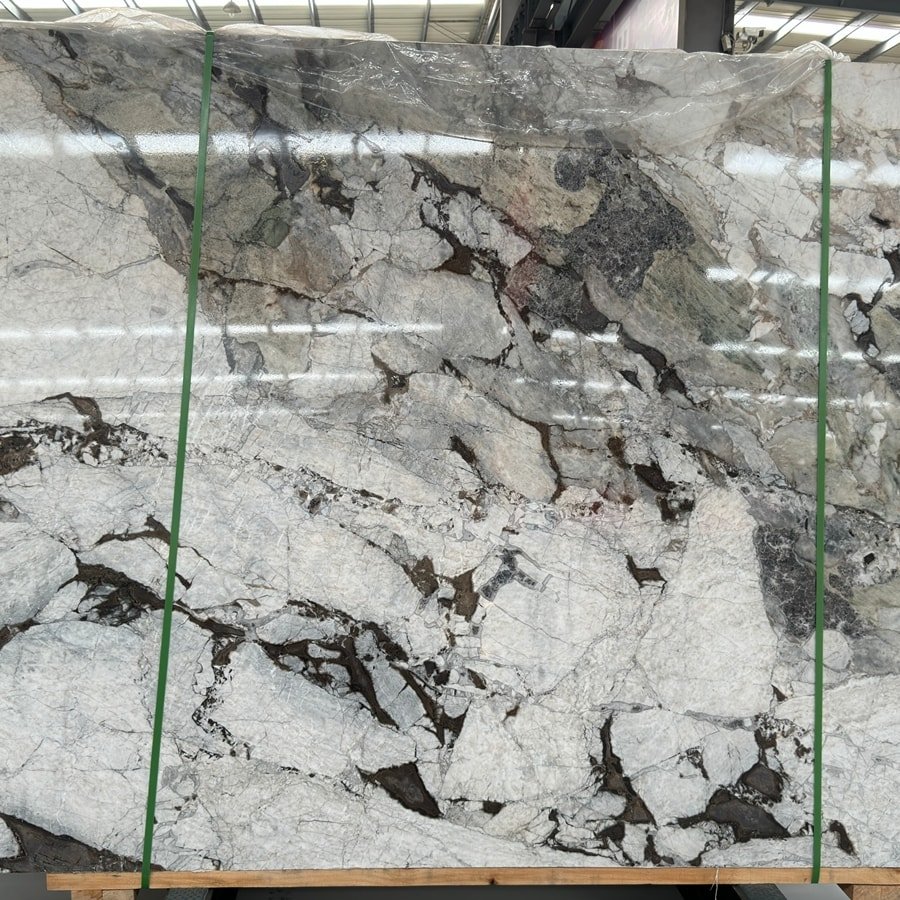
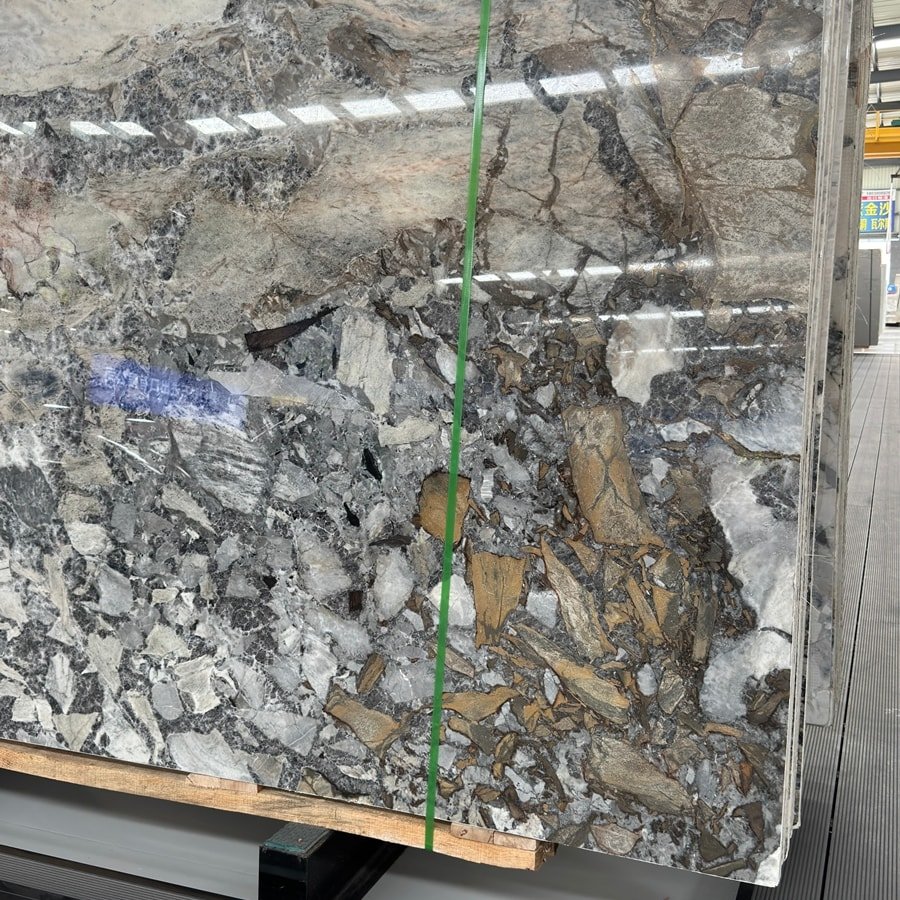
Brasilia Grey is typically valued for its even grey palette and moderate veining, offering a calm architectural backdrop with strong compatibility across palettes. Physically, it behaves like many calcitic marbles—good workability for cutting, edging, and honing, moderate porosity, and vulnerability to acidic etching. Its medium hardness means it stands up well for vertical applications and moderate-footfall floors; however, for heavy commercial traffic, designers often reserve it for feature bands, stair risers, or patterned inlays paired with harder stones.
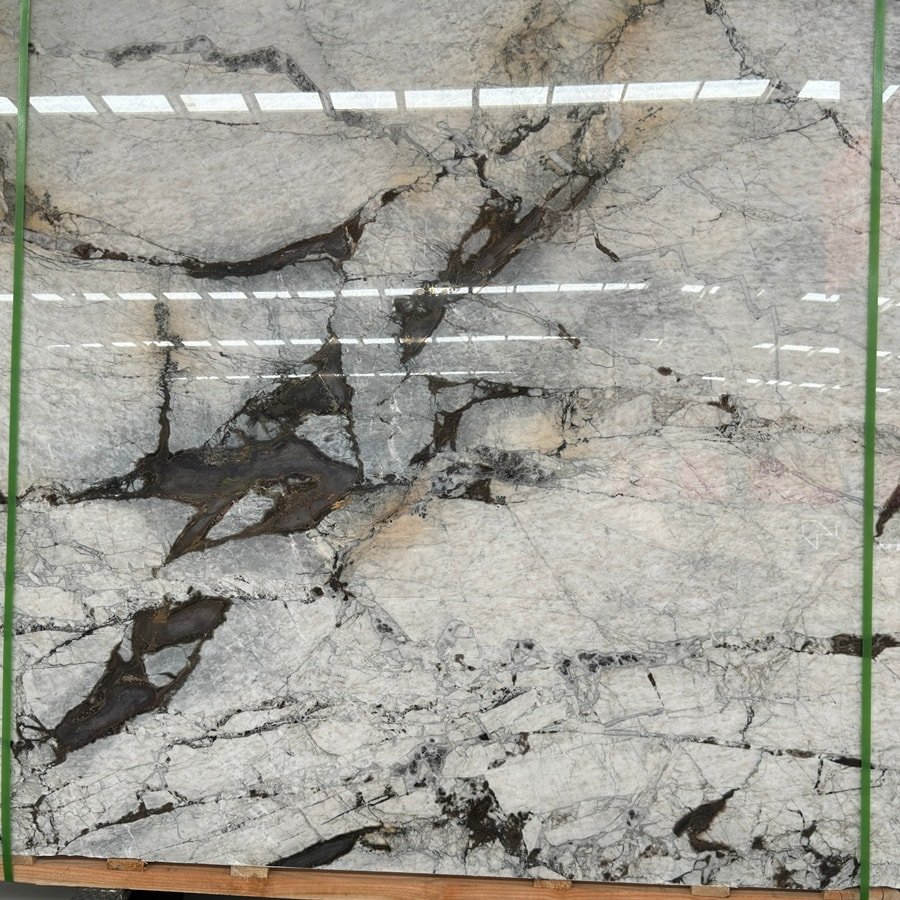
Architectural uses: interior wall cladding, reception desks, bathroom surrounds and vanity tops, floors in residential living spaces, and staircases where slip considerations are addressed. In kitchens, Brasilia Grey works well as a backsplash, waterfall island cladding, or peripheral countertop rather than primary prep surfaces unless the client plans for rigorous maintenance. Because it’s neutral grey reads modern and minimal, it is often used to contrast warm woods, metals (brushed steel, matte black), or colored joinery.
Technical considerations: Penetrating sealers reduce staining risk but do not stop etching; choose honed finishes for high-use floors to hide micro-scratches and reduce slip; polished finishes maximize depth for vertical features. For large slab installations, plan vein matching and support to prevent cracking and bowing; use flexible adhesives and movement joints. Lifecycle planning should include periodic resealing, pH-neutral cleaning, and a repair plan for chips or etches. Sourcing-wise, select consistent lots to avoid tonal shifts across large projects.