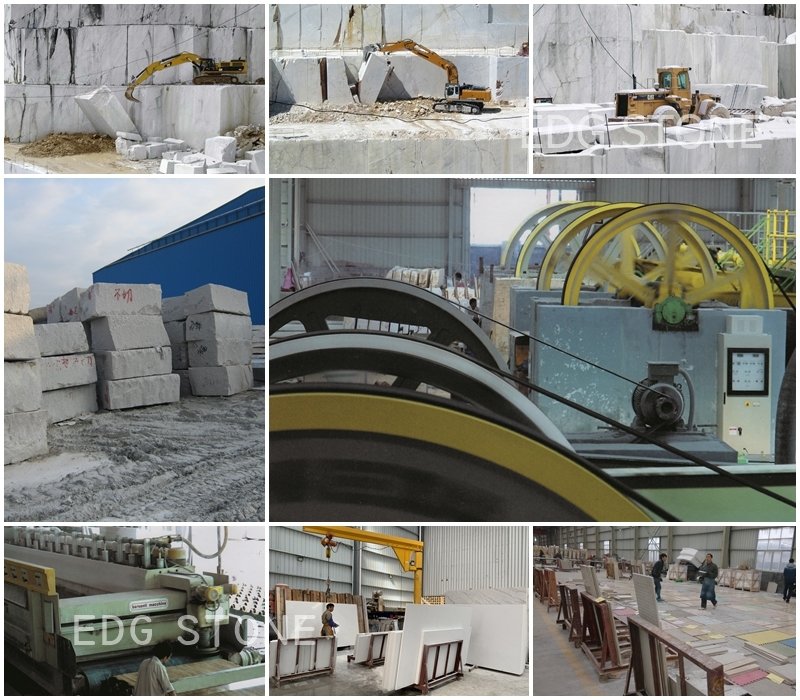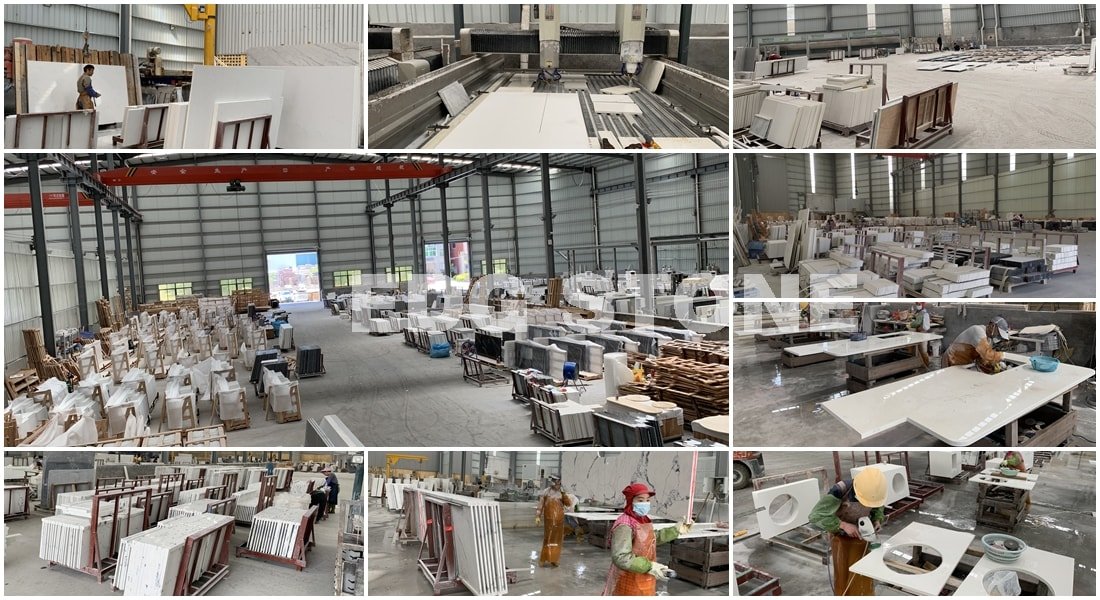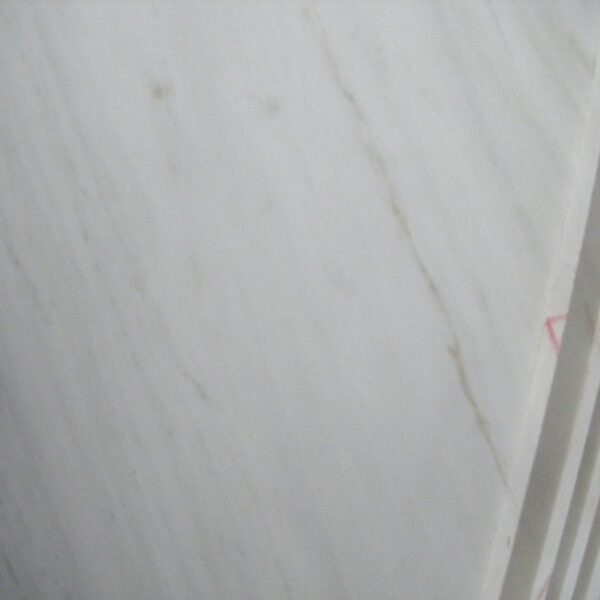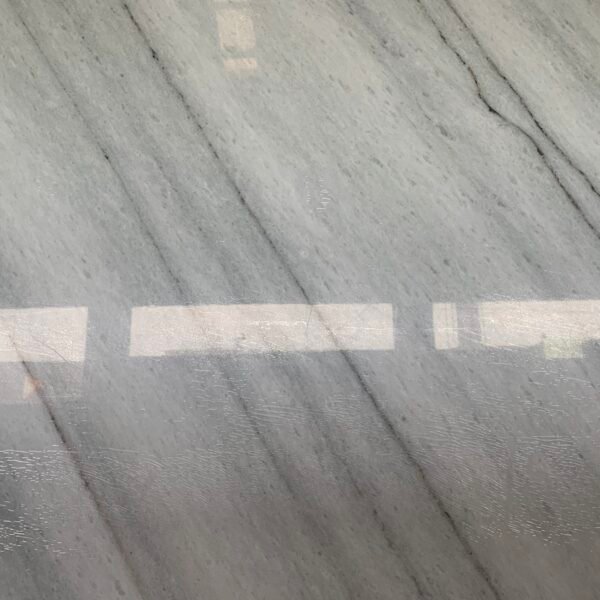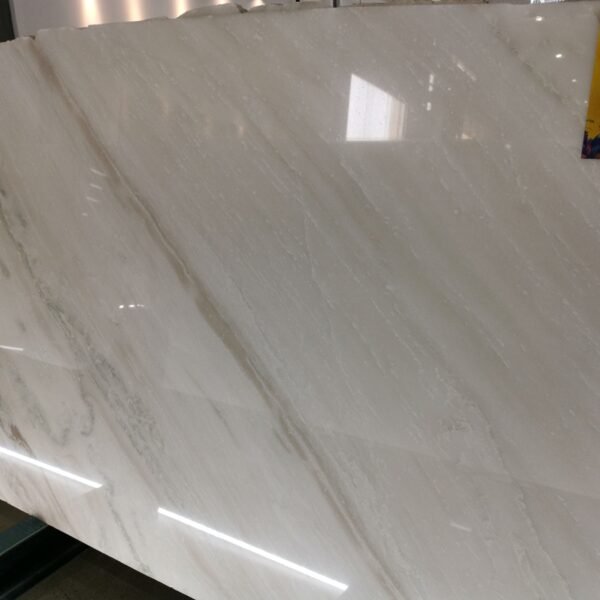
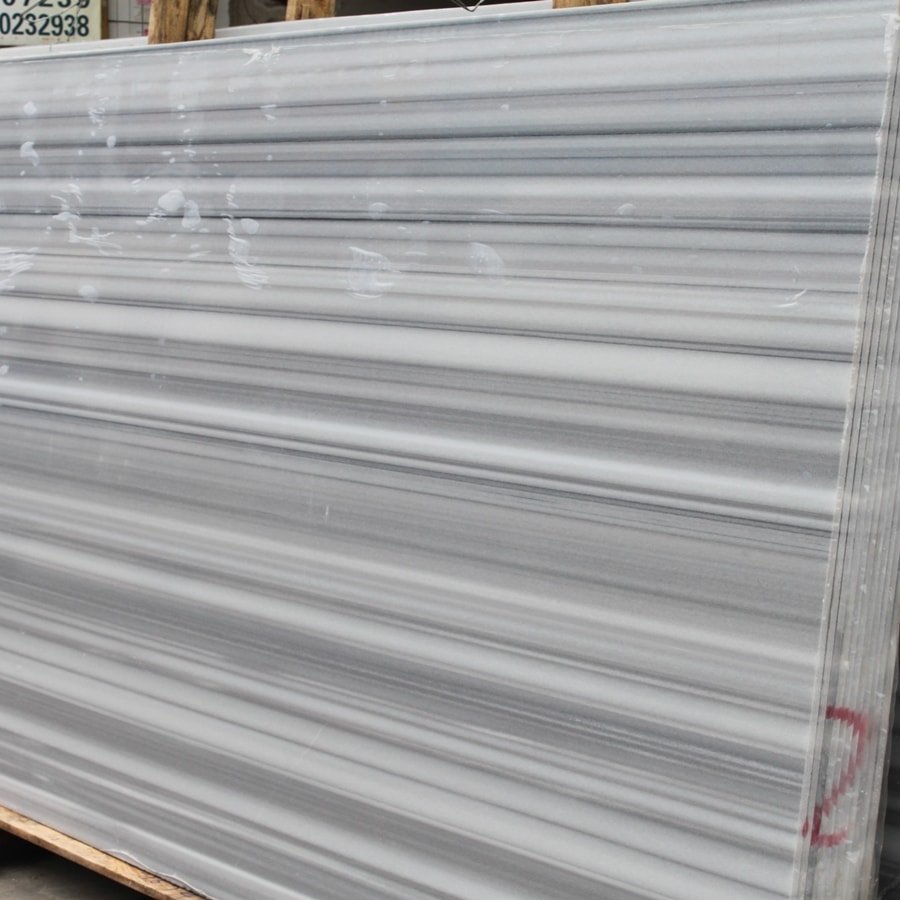
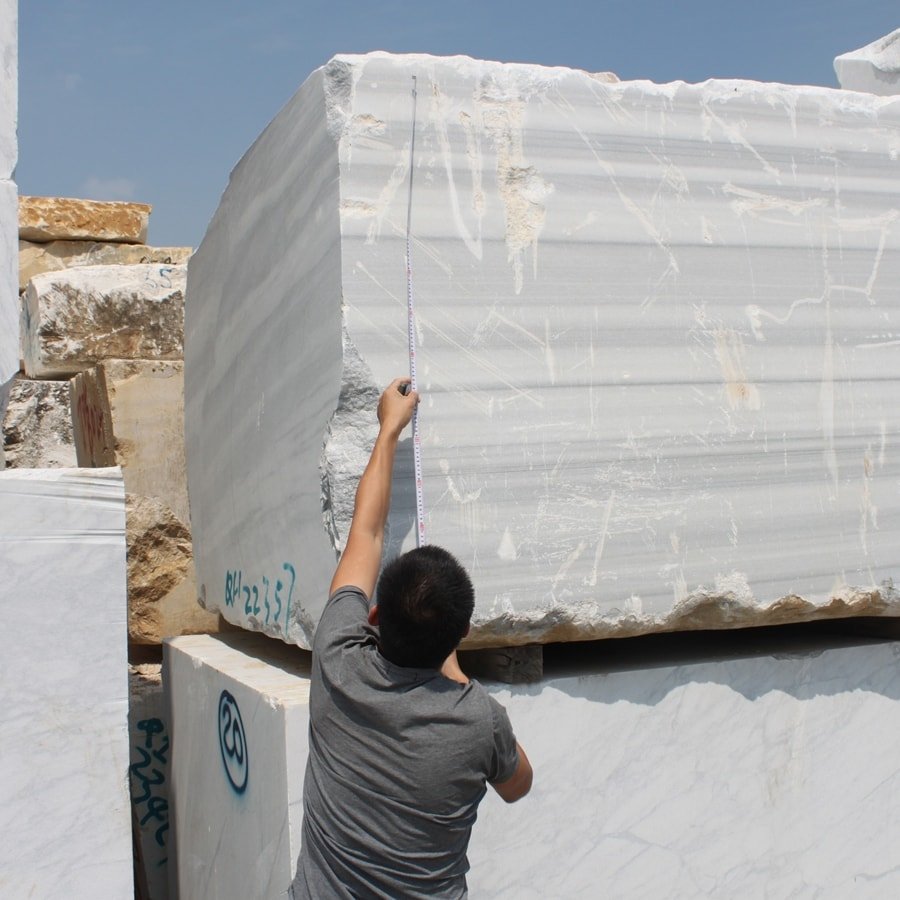
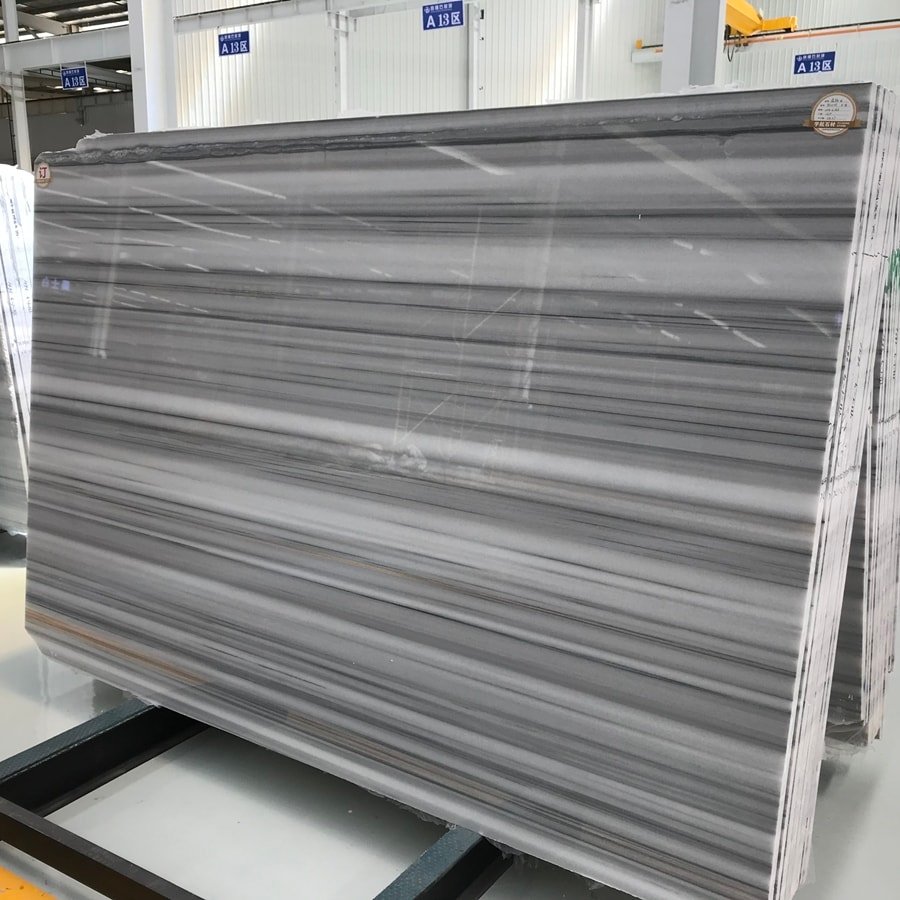
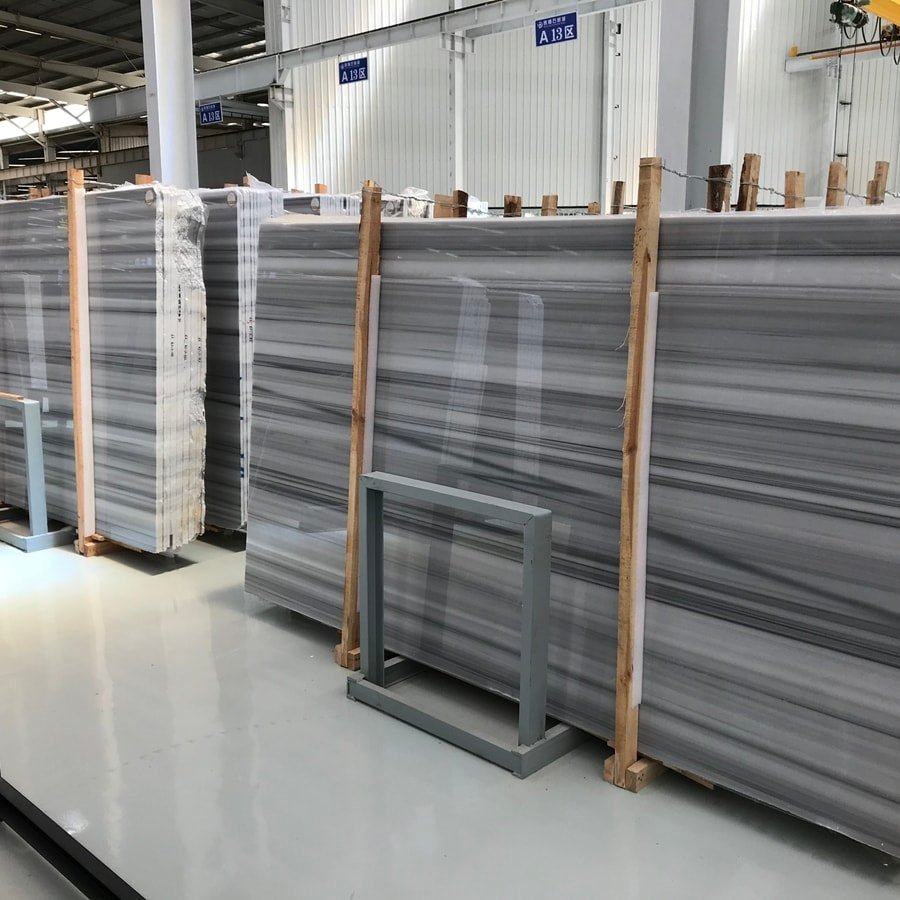
Marmara White Marble, often appreciated for its classic white-and-grey appearance, combines a predominantly white ground with subtle to moderate grey veining and sometimes gentle fossil traces. The stone’s visual neutrality makes it highly adaptable to both traditional and contemporary schemes. Physically, Marmara aligns with typical calcitic marbles: good polish potential, moderate porosity, and surface softness relative to granites—factors that determine its ideal architectural applications and necessary protective measures.
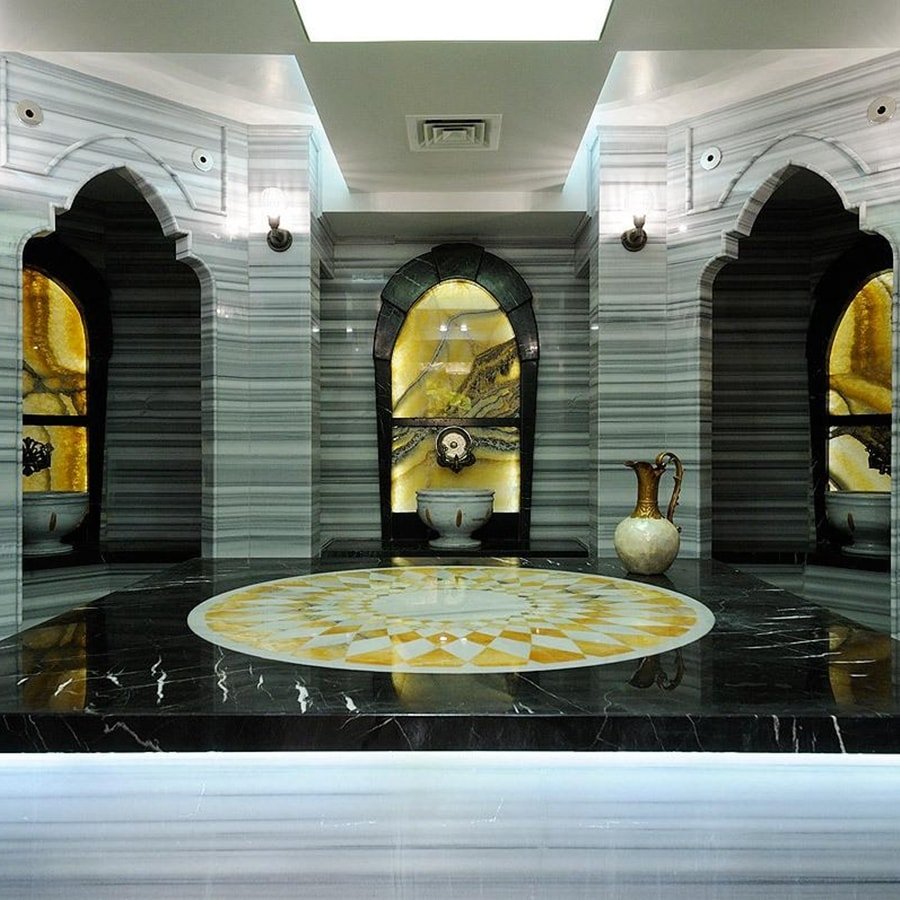
Marmara’s restrained veining renders it a go-to stone when designers seek a timeless backdrop that won’t compete with other materials. It performs exceptionally well for floor fields in residential settings, corridors, inlays, and formal living spaces, where moderate foot traffic is expected and maintenance is feasible. In bathrooms, Marmara creates serene vanities and tub surrounds; in hospitality or retail, it reads as a measured, elegant option for reception desks and feature walls.
From an installation standpoint, Marmara responds well to a variety of finishes. A polished finish enhances depth and light reflection, making interiors feel larger and brighter. Honed finishes offer a softer, more tactile surface that better conceals wear and scratches, which is advantageous for flooring or stair treads. Polished stair nosings may need more frequent attention to prevent polish wear in high-traffic areas.
Maintenance and protection are central to Marmara’s durable performance. As with other marbles, it requires regular sealing to reduce staining risk and must be cleaned with pH-neutral products to avoid etching. In kitchens, Marmara is a stylistic choice for backsplashes and accent surfaces rather than primary countertops unless the owner accepts the tradeoffs of extra care. For heavily used commercial floors, pair Marmara with harder stones or protective measures like area rugs or runner strips in high-traffic aisles.
Fabrication techniques must consider veining and potential natural fissures. Careful slab selection, edge profiling, and reinforcement on larger spans are standard practice. For large cladding or waterfall applications, book-matching or slip-matching enhances the rhythmic qualities of the veins and produces an elegant, continuous surface.
Marmara also has good compatibility with other building materials: it pairs easily with warm woods, brass or nickel fixtures, and matte black metals for contemporary contrast. This versatility makes it a favorite in mixed-material design schemes.
When specifying Marmara, consider lifecycle costs: while the initial stone cost can be moderate, long-term maintenance (resealing, repair of etches or chips) should be budgeted. Sustainable sourcing—favoring quarries with ethical extraction practices or using reclaimed pieces—will strengthen the project’s environmental credentials.
In closing, Marmara White Marble is a dependable, classic marble that balances aesthetics and moderate durability. It shines in interior settings where elegance and measured use intersect, and when selected and maintained properly, it contributes substantial long-term architectural value.